If you’re searching for genuine madras curry in central London, Covent Garden is one of the best places to look, and Paro, set beside the historic Lyceum Theatre at 21 Wellington Street, WC2E 7DN, is a name that keeps coming up. Founded by Chef Niaz and built around a secret 48-spice mix sourced directly from Indian bazaars, Paro’s kitchen draws on Kolkata and West Bengal culinary tradition while layering in contemporary technique. That grounding matters when it comes to a dish like Madras curry, because balancing chilli heat, tomato depth and toasted spice takes real craft. This guide explains what Madras curry actually is, how it compares to other curry house classics, and why Paro’s location and menu make it a standout choice in Covent Garden.
What Is Madras Curry? Understanding the Dish and Its Origins
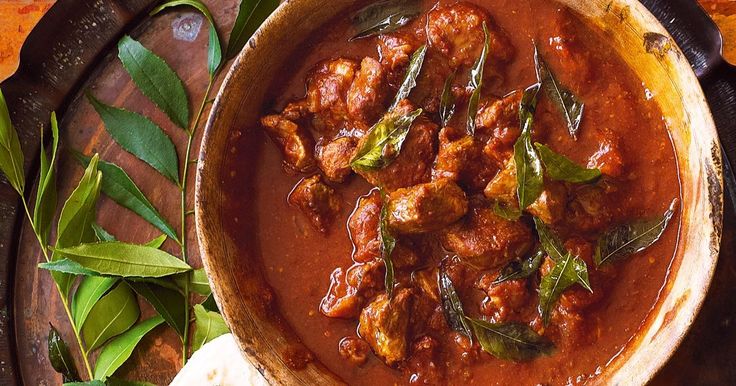
Madras curry is a South-Indian-inspired dish popularised and refined in British curry houses rather than a single fixed recipe from Chennai (formerly Madras) itself. It’s typically built on a deep red, chilli- and paprika-forward sauce, finished with tomato and warming spices such as cumin, coriander and mustard seed. In terms of heat, it sits in the middle of the spectrum: noticeably hotter than a mild, coconut-based korma, but a step gentler than a fiery vindaloo. This makes it an approachable choice for diners who want genuine chilli warmth without overwhelming intensity, and it’s part of why the dish remains a mainstay on indian curries list menus across the UK.
Chicken Madras Curry: The Classic Order at Paro
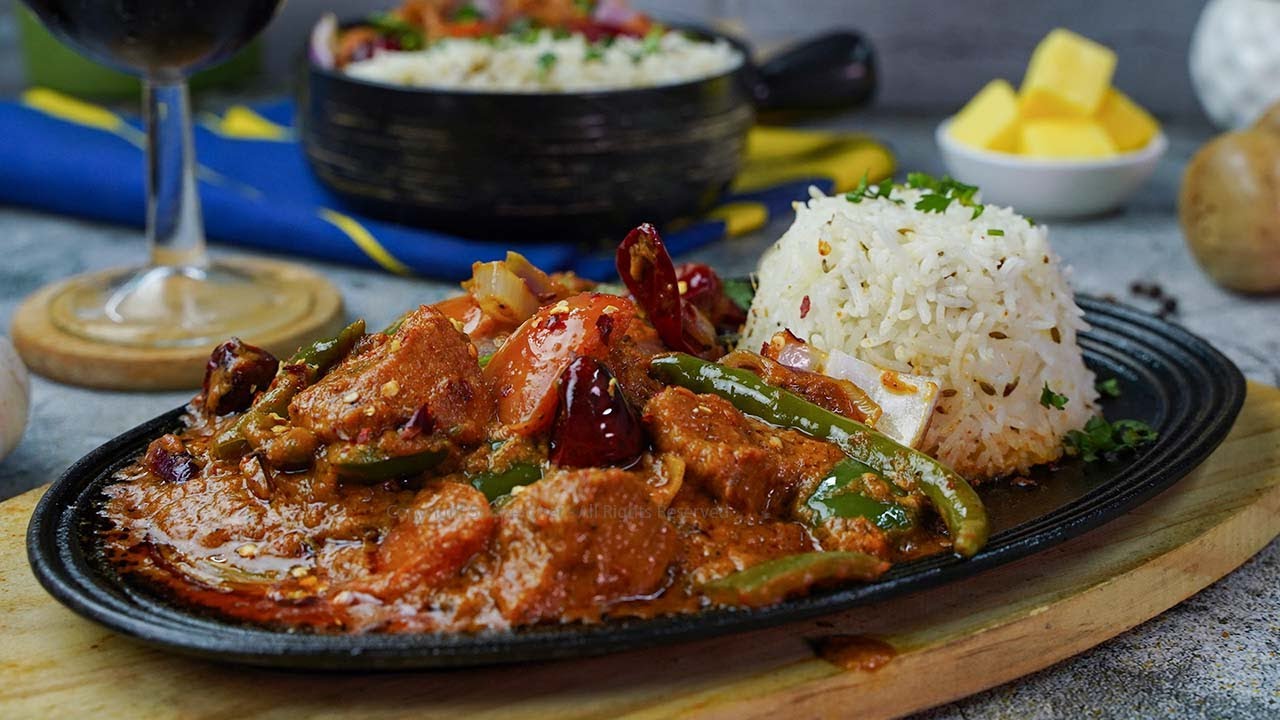
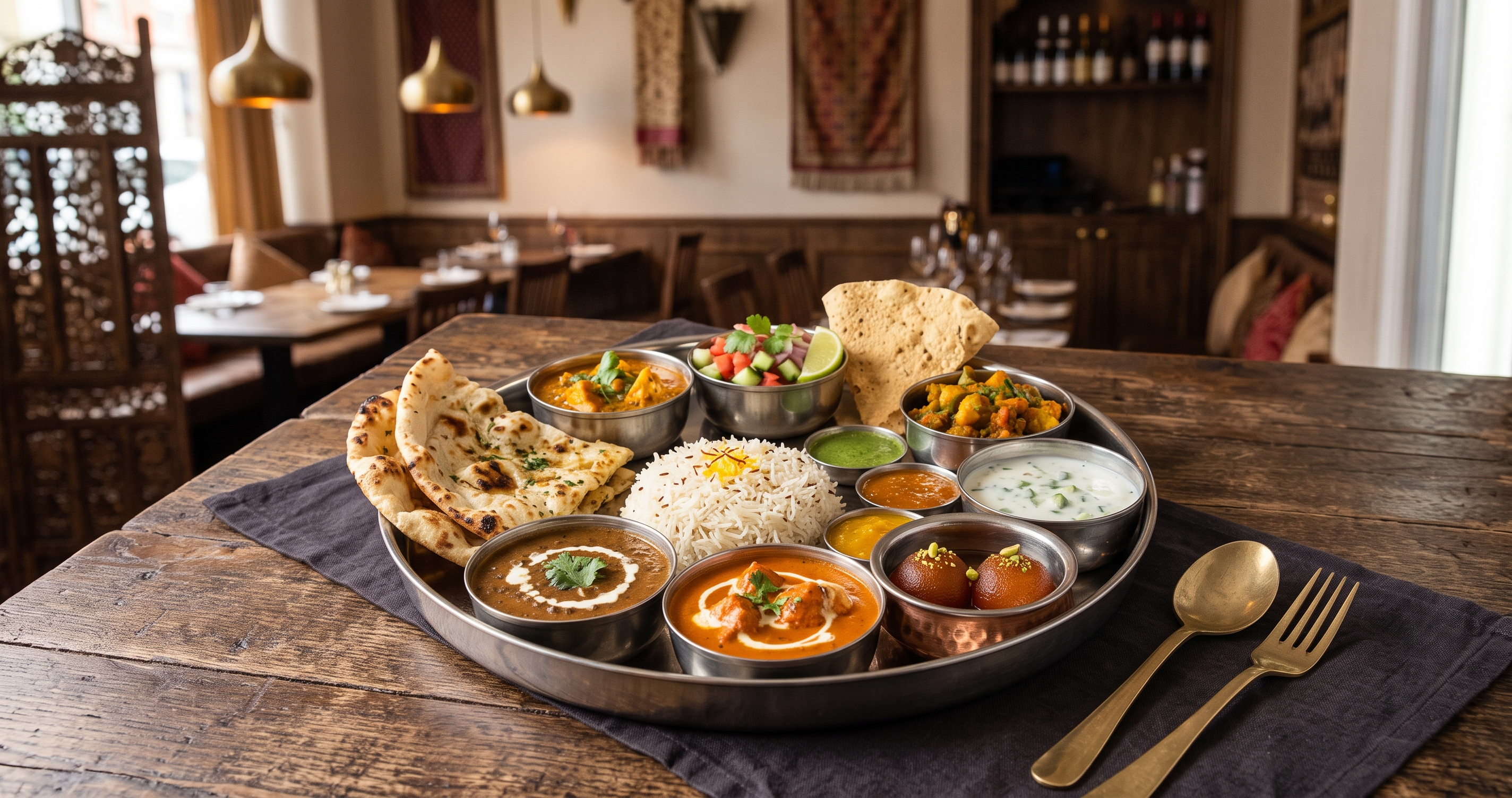
Ask regulars what they order when Madras curry is on the table, and the answer is usually chicken madras curry. Tender chicken pieces are simmered slowly in the chilli-rich sauce until the meat absorbs the spice, giving a dish that’s punchy but never one-note. At Paro, this sits alongside other signature dishes such as butter chicken, lamb shank, traditional curries and tandoor-fired classics, all cooked using the same 48-spice foundation behind the kitchen’s Kolkata-rooted approach. The result is a Madras that feels consistent with the rest of the menu, which speaks to a kitchen that treats every dish, spicy or mild, with equal care.
How Madras Curry Compares Across the Indian Curries List
Understanding where Madras sits on a typical indian curries list helps when ordering, especially with a group that has mixed spice tolerance. Korma and butter chicken sit at the milder, creamier end, built on dairy and nut-based sauces. Madras occupies the middle ground, tomato-based and chilli-forward but balanced. Vindaloo and phall push further into serious heat territory. Because Paro’s menu is tagged for halal, vegan, vegetarian, gluten-free, dairy-free and nut-free diners, groups can order across this whole spectrum, Madras included, without anyone being left out. That clarity is genuinely useful when booking a table for a mixed group before or after a show.
Why Covent Garden Is a Natural Home for Great Curry
A restaurant covent garden location isn’t just convenient, it’s historically fitting. The West End has long been a meeting point for pre- and post-theatre dining, and Indian restaurants have been part of that fabric for generations. Paro sits directly beside the Lyceum Theatre, within walking distance of the Strand, making it a naturally positioned option for anyone catching a performance nearby. Guests can grab a proper meal, including a well-made Madras curry, before curtain-up or afterwards without travelling far. For visitors unfamiliar with the area, a reliable indian restaurant covent garden diners can trust for food quality and timing removes much of the guesswork from planning a theatre evening.
Making Madras Curry at Home: What a Recipe Really Needs
For those inspired to try a madras curry recipe at home, the fundamentals are worth understanding. A good base starts with slowly browned onions, followed by garlic, ginger and a chilli-forward spice blend, commonly including Kashmiri chilli powder for colour, cumin, coriander and a touch of mustard seed. Tomatoes build the sauce’s depth, and the dish is simmered rather than rushed, letting the spices fully bloom. The gap between a home attempt and a kitchen like Paro’s usually comes down to spice sourcing and balance. Paro’s 48-spice mix, sourced from Indian bazaars, is difficult to fully replicate outside a professional kitchen, which is why many home cooks treat their own Madras as a starting point rather than a finished substitute.
Pairing Your Curry: Drinks to Match the Heat
A dish with real chilli character benefits from the right drink alongside it, and Paro’s “Tipples & Cocktails” menu gives diners plenty to choose from. The Espresso Martini, made with Indian coffee beans, and the Jab We Met Martini are standout options for something distinctive. Beyond cocktails, the bar covers gin, whisky, vodka, rum, tequila, brandy, cognac and liqueurs, alongside red, white, rosé, sparkling wine, champagne, beer and cider. For a cooling contrast to a spicier dish, the dedicated lassi and juice section is a natural match, while the specialty tea section offers a gentler way to close out the meal.
Group Dining, Screens and Booking Around Theatre Times
Madras curry is often best enjoyed as part of a shared table, and Paro is set up for that. The restaurant seats over 90 guests, offers private dining for 10 to 60 people, and welcomes group bookings of up to 120, with priority seating near the largest screen, useful for sports fixtures or big events. Opening hours run Monday and Tuesday from 3:00pm to 10:30pm, Wednesday to Saturday from 12:00pm to 11:00pm, and Sunday from 12:00pm to 10:30pm. Booking ahead, online or by phone, is recommended on Thursday to Saturday and theatre evenings, though walk-ins are welcomed subject to availability. For groups planning around a Lyceum performance, calling +44 20 3722 0951 or emailing info@paroindian.com is the most reliable way to secure a table.
Final Thoughts
For anyone chasing a proper madras curry in central London, Paro’s combination of Kolkata-rooted technique, a genuinely distinctive spice mix, and a location right beside the Lyceum Theatre makes it a compelling option in Covent Garden. It’s a restaurant that treats a mid-heat, chilli-forward classic with the same seriousness as its signature butter chicken and lamb shank, while catering to dietary needs and group sizes many curry houses can’t accommodate. Whether booking a pre-theatre table for two or a group of 120 for a match, Paro offers consistency and flexibility worth returning to, Madras curry included.
FAQs
Is Madras curry very spicy?
Madras curry is medium-hot: it’s spicier than a korma but milder than a vindaloo, making it approachable for most diners who enjoy some chilli warmth.
What’s the difference between Madras and vindaloo?
Madras is chilli- and tomato-forward with balanced heat, while vindaloo, often made with vinegar and extra chilli, is considerably hotter and sharper in flavour.
Does Paro cater to dietary requirements?
Yes, Paro’s menu is tagged for halal, vegan, vegetarian, gluten-free, dairy-free and nut-free diners, making it easy for groups with mixed needs to order comfortably.
Can I book a table near the Lyceum Theatre for a pre-theatre meal?
Yes, Paro is located beside the Lyceum Theatre at 21 Wellington Street, and booking ahead is recommended, especially Thursday to Saturday and on theatre evenings.
Does Paro take large group bookings?
Yes, Paro welcomes group bookings of up to 120 people, with priority seating near the largest screen, alongside private dining options for 10 to 60 guests.