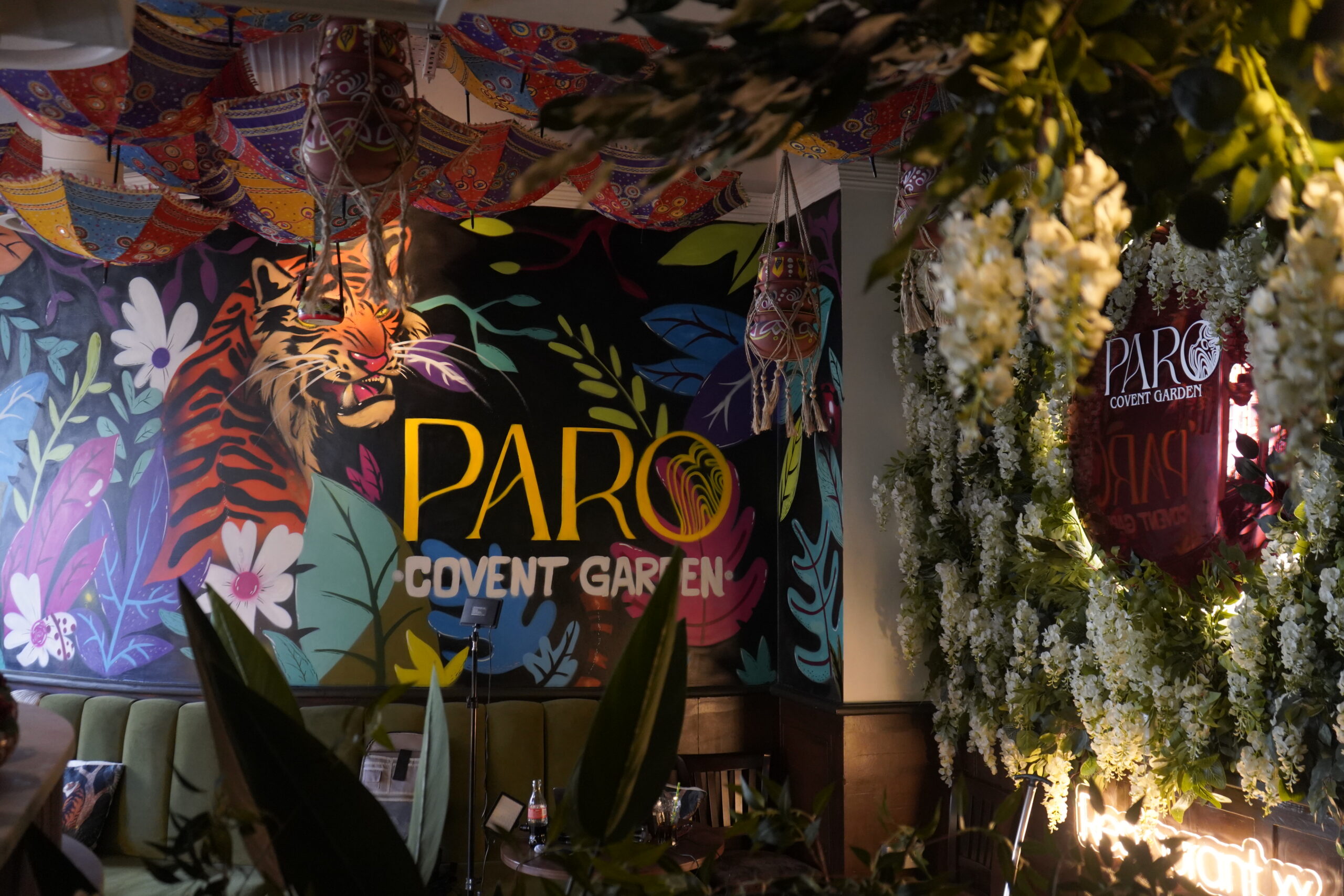
Finding the Best Curry Covent Garden can offer means judging kitchens on fundamentals: spice freshness, protein quality, cooking technique and balance. Paro, located beside the Lyceum Theatre at 21 Wellington Street, is built on exactly those fundamentals. Founded by Chef Niaz, the kitchen runs on a secret 48-spice mix sourced directly from Indian bazaars, rooted in Kolkata and West Bengal tradition while layering in contemporary influences. That combination of heritage sourcing and modern technique is what separates a genuinely well-made curry from an average one, and it is the standard this guide uses to break down what to look for when judging any curry house in the West End.
Why Fresh, Whole Spices Matter More Than Pre-Ground Blends
The single biggest factor separating an average curry from a great one is whether the kitchen uses fresh, whole spices or relies on pre-ground, mass-produced blends that lose aroma within weeks of grinding. Paro’s approach centres on a secret 48-spice mix sourced from Indian bazaars rather than a generic supermarket masala. Sourcing spices from bazaars means the kitchen has direct access to ingredients still carrying their essential oils, which is what gives a curry its depth rather than a flat, one-note heat. When you are searching for an indian restaurant london diners can trust for authenticity, ask how the spices are sourced. A kitchen willing to discuss its spice mix, as Paro does, is usually one that takes the fundamentals seriously.
Judging the Quality of the Protein and Vegetables
A curry is only as good as what goes into it. Butter chicken, lamb shank and tandoor-fired classics all depend on the quality of the meat before a single spice is added. Paro’s signature dishes lean on well-sourced proteins cooked long enough to absorb the 48-spice base, which is why the lamb shank has become one of the restaurant’s most talked-about plates. Paro’s menu is tagged clearly across halal, vegan, vegetarian, gluten-free, dairy-free and nut-free options, so quality and dietary clarity are not treated as separate concerns.
Slow-Braising and Cooking Technique
Technique is where many curry houses fall short, rushing a braise that should take hours. Traditional curries and lamb shank preparations benefit enormously from slow cooking, allowing collagen to break down and the 48-spice mix to fully penetrate the meat. This is a hallmark of Kolkata and West Bengal-style cooking, where patience in the kitchen is treated as non-negotiable. Paro’s traditional curries reflect this slower, more deliberate method rather than a quick-fire approach, particularly important on busy theatre evenings when diners expect both quality and timing to align.
Gravy Consistency as a Sign of Skill
Gravy consistency tells you almost everything about a kitchen’s skill level. A curry gravy that is too thin suggests rushed reduction, while one that is gluey suggests over-reliance on thickening agents rather than natural reduction from slow cooking. The butter chicken at Paro is a useful benchmark here, since its gravy needs to be rich enough to coat the meat evenly without masking the spice layers built from the 48-spice mix. When comparing options for the best curry covent garden has on offer, pay attention to how the gravy clings to the protein rather than pooling separately on the plate.
Balance of Heat, Not Just Volume of Heat
A common mistake is equating spiciness with quality. The best curries balance heat with sweetness, acidity and aromatics rather than relying on chilli volume alone. Paro’s tandoor-fired classics and traditional curries are built around the layered 48-spice mix, designed to deliver complexity rather than raw heat. This matters for a diverse audience, from theatre-goers looking for a warming pre-show meal to groups seeking a milder, family-friendly curry. Because the kitchen’s spice foundation is consistent across dishes, diners can expect the same careful balance whether they order a mild curry or a more robust one.
How Group Dining and Setting Reflect Kitchen Standards
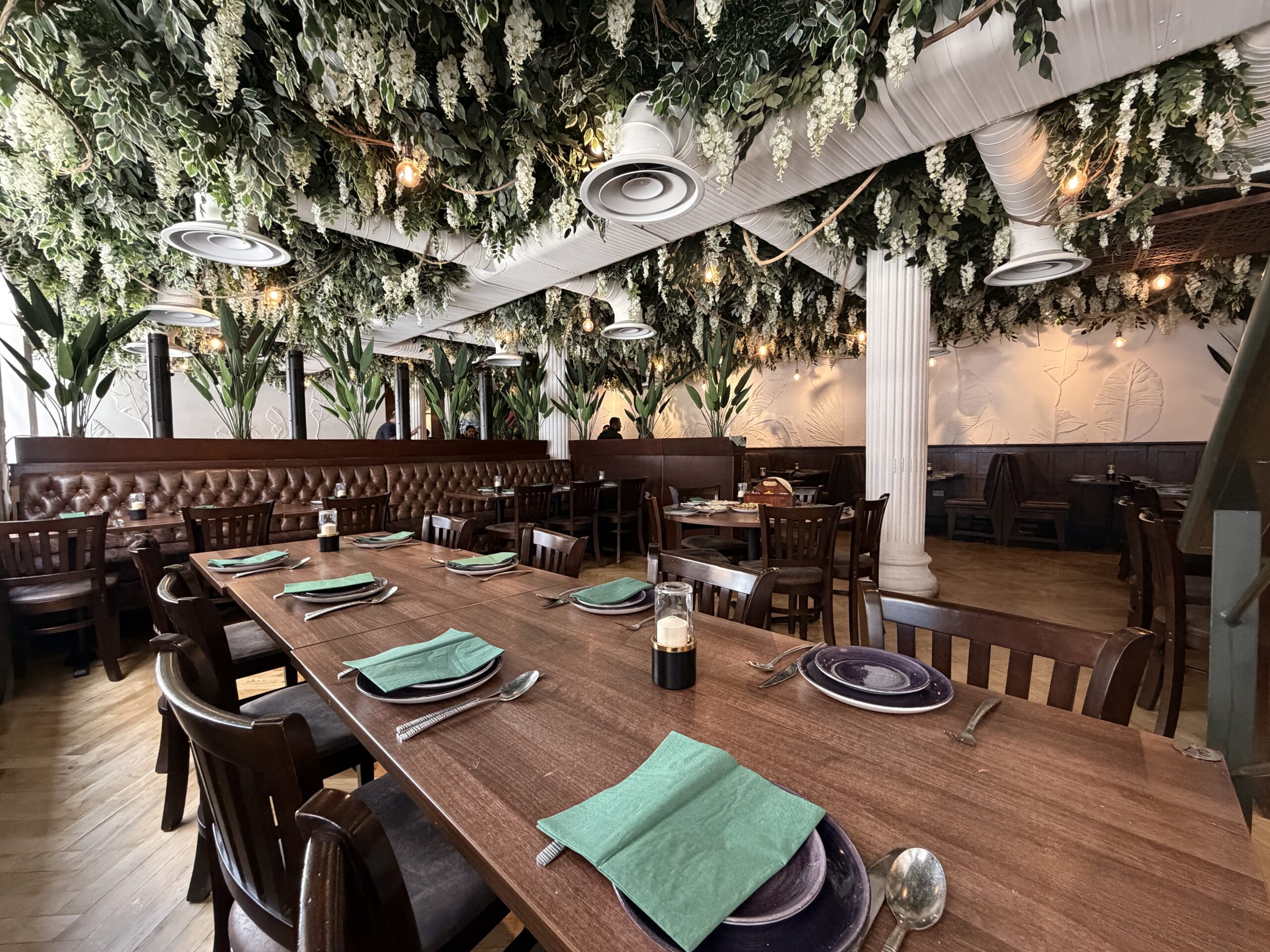
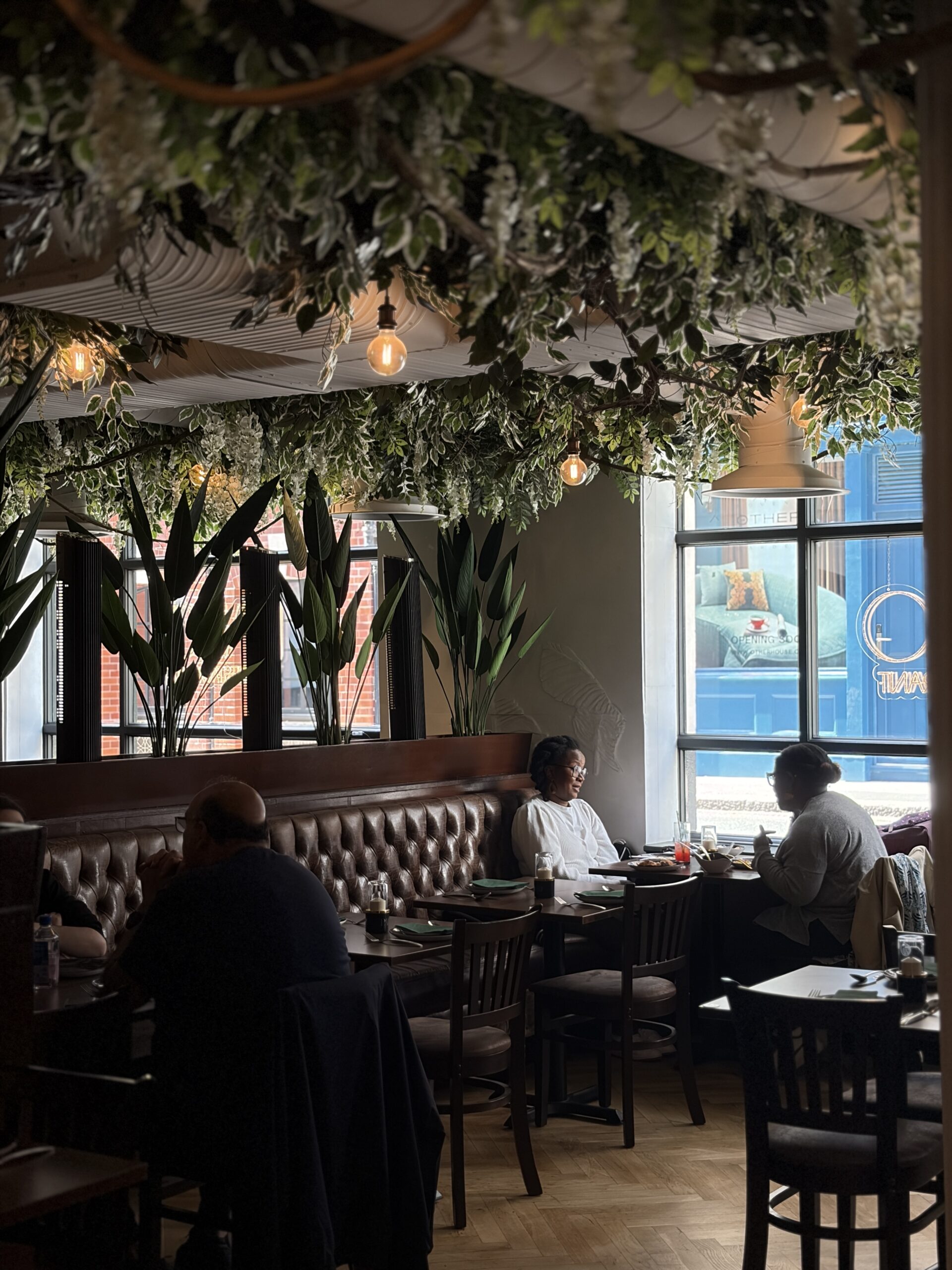
A kitchen confident in its food is usually also set up to serve it well at scale. Paro seats more than 90 guests, with private dining available for 10 to 60 guests and group bookings welcomed for up to 120 people, including priority seating near the largest screen for sports and events. This matters for anyone comparing an indian restaurant west end visitors can rely on for both quality and logistics, particularly around Covent Garden where pre-theatre bookings and larger parties are common. A restaurant that can deliver its signature curries to a party of 120 without sacrificing quality is demonstrating real kitchen discipline, not just a good menu on paper.
Drinks Pairing and the Full Dining Experience
Judging the best curry is not only about the plate; it is also about how well a restaurant pairs its food with drinks. Paro’s Tipples & Cocktails menu includes an Espresso Martini made with Indian coffee beans and the Jab We Met Martini, alongside gin, whisky, vodka, rum, tequila, brandy, cognac and liqueurs. There is also a dedicated lassi and juice section, a specialty tea section, and a full range of red, white, rosé, sparkling wine, champagne, beer and cider. A well-rounded drinks list that includes lassi alongside cocktails shows a kitchen thinking about the complete meal, not just the curry itself, which is a mark of a serious indian restaurant london operation rather than a purely tourist-facing one.
Location, Hours and Booking Standards Worth Noting
Practical details matter when judging any restaurant, and Paro’s location beside the Lyceum Theatre at 21 Wellington Street, Covent Garden, places it at the centre of the West End’s dining scene. Opening hours run Monday and Tuesday from 3:00pm to 10:30pm, Wednesday to Saturday from 12:00pm to 11:00pm, and Sunday from 12:00pm to 10:30pm. Booking online or by phone is recommended, especially Thursday through Saturday and theatre evenings, though walk-ins are welcomed subject to availability. Diners can reach the restaurant on +44 20 3722 0951 or by email at info@paroindian.com.
Final Thoughts
When it comes to identifying the Best Curry Covent Garden has to offer, the answer lies in fundamentals: fresh spice sourcing, quality proteins, slow cooking technique, proper gravy consistency and a genuine balance of heat rather than raw spice volume. Paro brings all of these together through Chef Niaz’s secret 48-spice mix, Kolkata-rooted traditional cooking, and signature dishes like butter chicken and lamb shank, while also offering the practical strengths of dietary tagging, large-group capacity and a full drinks menu. For diners in Covent Garden weighing their options, these are the standards worth applying, and Paro’s approach to each of them is well documented rather than simply claimed.
FAQs
What makes Paro’s curry different from other Indian restaurants in Covent Garden?
Paro’s curries are built on a secret 48-spice mix sourced from Indian bazaars, rooted in Kolkata and West Bengal tradition, with contemporary influences layered on top.
Does Paro cater to dietary restrictions?
Yes, the menu is tagged for halal, vegan, vegetarian, gluten-free, dairy-free and nut-free diners.
Can large groups be accommodated at Paro?
Paro seats more than 90 guests, offers private dining for 10 to 60 guests, and welcomes group bookings of up to 120 people with priority seating near the largest screen.
What are Paro’s opening hours?
Monday and Tuesday from 3:00pm to 10:30pm, Wednesday to Saturday from 12:00pm to 11:00pm, and Sunday from 12:00pm to 10:30pm.
Should I book in advance at Paro?
Booking online or by phone is recommended, particularly Thursday through Saturday and on theatre evenings, though walk-ins are welcomed subject to availability.