Finding one of the best halal restaurants covent garden offers isn’t just about a halal label on a menu — it’s about how the meat is sourced, how the spices are built, and how the recipes have been carried forward through generations. At Paro, located beside the Lyceum Theatre at 21 Wellington Street, Chef Niaz has built the kitchen around a secret 48-spice mix sourced from Indian bazaars, rooted firmly in Kolkata and West Bengal culinary tradition, with contemporary touches layered on top. This isn’t a restaurant chasing trends; it’s one built on technique, sourcing discipline, and recipes that have been refined rather than reinvented. For diners who care about what’s actually happening in the kitchen before a dish reaches the table, that distinction matters.
Why Meat Quality Defines Authentic Halal Cooking
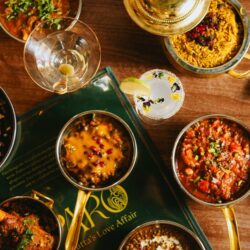
Halal certification is only the starting point. What separates an ordinary curry house from genuine halal fine dining london diners seek out is consistency in the meat itself — texture, freshness, and how it responds to slow cooking or high heat. Paro’s menu, built around butter chicken, lamb shank, traditional curries, and tandoor-fired classics, depends on meat that holds its structure through hours of braising or the intense heat of a clay oven. That’s not achievable with inconsistent sourcing; it requires a kitchen that treats meat quality as a standard, not a marketing point.
The Tandoor: A Technique, Not a Trend
Tandoor cooking is one of the oldest methods in Indian kitchens, and it remains central to Paro’s approach. The tandoor-fired classics on the menu rely on extreme, direct heat to seal in moisture while producing the charred edges and smoky depth associated with proper tandoori cooking. This technique demands precision — timing, marination, and skewer placement all affect the outcome — and it’s a method that has been passed down rather than improvised. For a restaurant sitting in the heart of Covent Garden, maintaining this level of technical discipline is part of what sets it apart from more casual, fast-turnaround Indian spots nearby.
Slow-Braised Lamb Shank and the Patience It Requires
Few dishes reveal a kitchen’s standards as clearly as a slow-braised lamb shank. It’s unforgiving of shortcuts: the meat must be sourced well, trimmed properly, and cooked low and slow until it falls away from the bone without turning stringy or dry. Paro’s lamb shank sits among its signature dishes precisely because it reflects this patience. It’s a dish that can’t be rushed to fit a fast dinner service, which is one reason booking ahead — particularly around Thursday to Saturday evenings — is recommended for anyone wanting to enjoy it without a long wait.
Recipe Heritage Rooted in West Bengal
The 48-spice mix at the centre of Paro’s kitchen isn’t an abstract selling point — it’s tied directly to Chef Niaz’s grounding in Kolkata and West Bengal cooking traditions. Bengali cuisine has its own distinct spice balance, often built around mustard, panch phoron, and layered aromatics rather than a single dominant note. Paro brings that heritage into a London setting while adding contemporary influences, which explains why the curries here read as more complex than a standard high-street version. This is the kind of recipe authenticity that comes from lineage and training, not from a shortcut spice blend bought off a shelf.
How Halal Standards Fit Into a Fine-Dining Menu
A common misconception is that halal dining means limited variety. Paro’s menu counters that directly. Alongside halal-tagged dishes, the kitchen also caters to vegan, vegetarian, gluten-free, dairy-free, and nut-free diners, meaning halal compliance sits within a genuinely broad menu rather than being an afterthought. This is a key marker of proper halal fine dining london venues aim for — halal status doesn’t limit the food’s ambition; it’s simply one more standard the kitchen holds itself to.
Drinks Built to Match the Food
A serious kitchen deserves a serious drinks list, and Paro’s Tipples & Cocktails menu reflects that. The Espresso Martini, made with Indian coffee beans, and the Jab We Met Martini both nod to the restaurant’s identity rather than reading as generic cocktail-bar filler. Beyond that, there’s a full range of gin, whisky, vodka, rum, tequila, brandy, cognac, and liqueurs, alongside a dedicated lassi and juice section, a specialty tea selection, and a wine list covering red, white, rosé, sparkling, and champagne, plus beer and cider. It’s a list built to complement slow-braised and tandoor-fired dishes rather than compete with them.
A Practical Choice as an Indian Restaurant Covent Garden
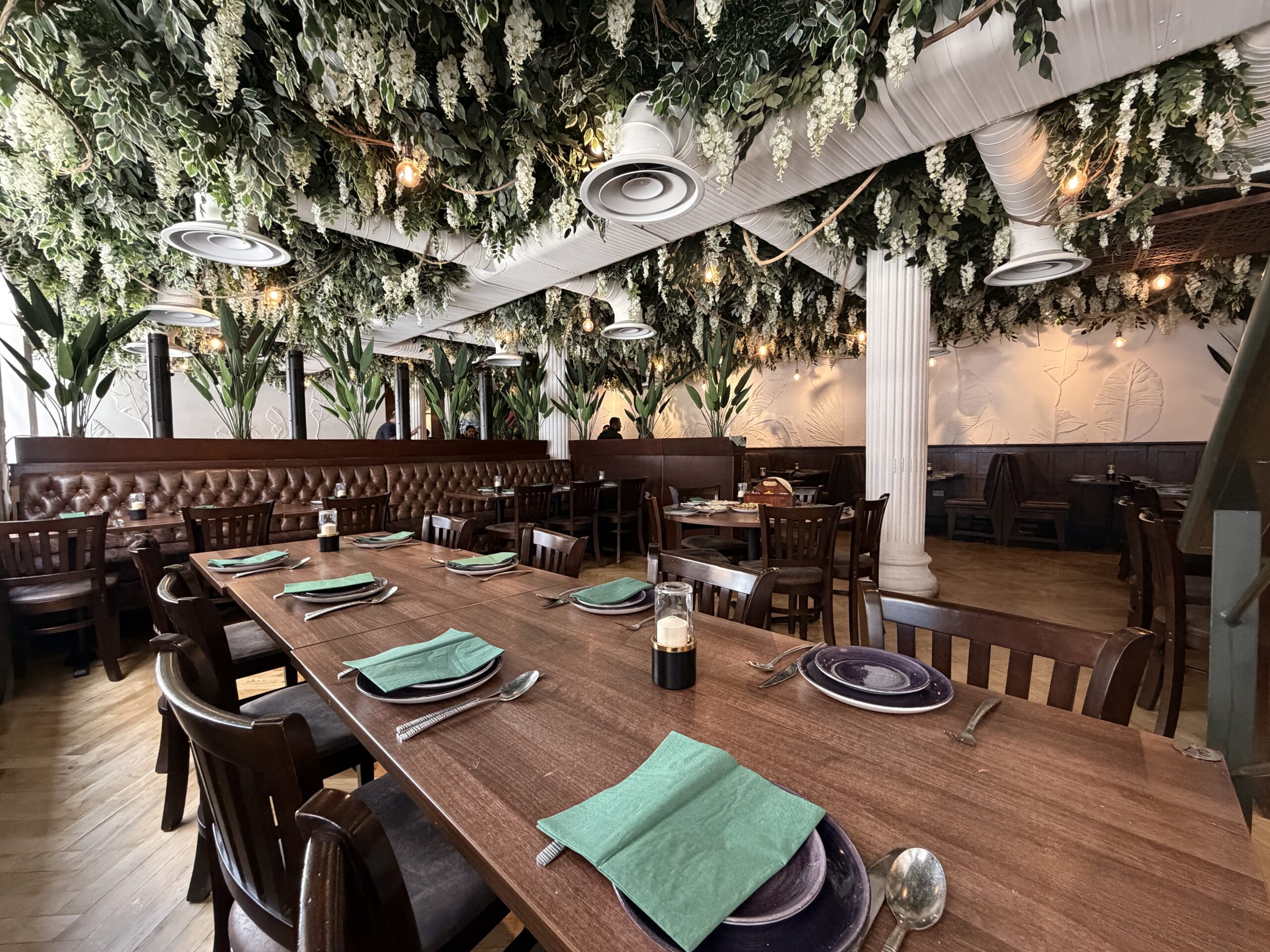
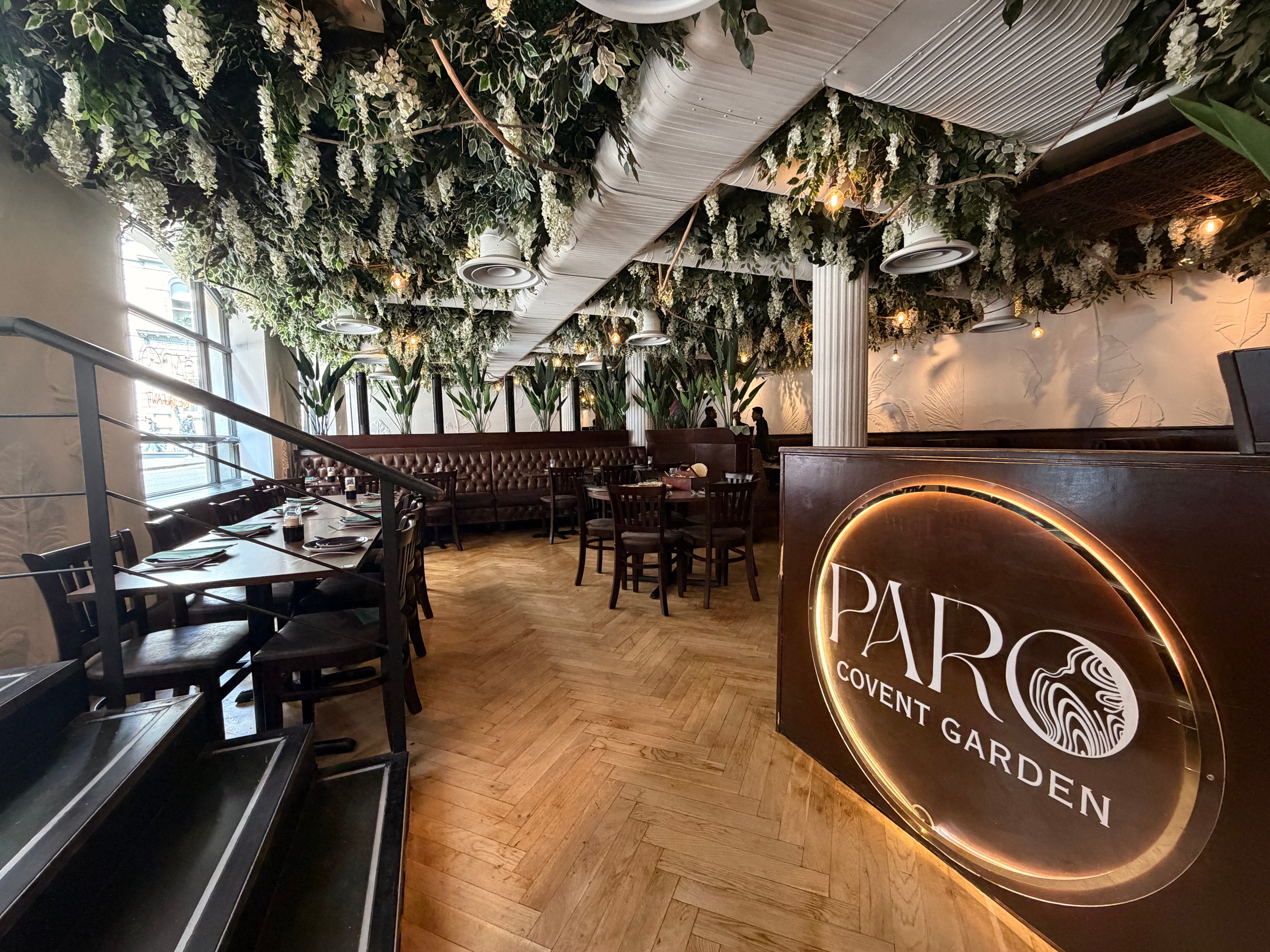
Location matters as much as cooking technique when it comes to real-world dining decisions. As an Indian Restaurant Covent Garden visitors can reach easily, Paro sits directly beside the Lyceum Theatre on Wellington Street, seating more than 90 guests with private dining available for groups of 10 to 60 and group bookings welcoming up to 120 people. Larger parties get priority seating near the biggest screen, which works well for sports fixtures or shared events. Opening hours run Monday and Tuesday from 3:00pm to 10:30pm, Wednesday through Saturday from 12:00pm to 11:00pm, and Sunday from 12:00pm to 10:30pm — hours structured around both daytime and evening demand in a busy theatre district.
Built for a Restaurant Pre Theatre Routine
Covent Garden’s theatre crowd needs restaurants that can turn tables efficiently without compromising on the food, and this is where a proper restaurant pre theatre routine matters. Paro’s position next to the Lyceum makes it a natural stop before curtain-up, but slow-braised dishes like lamb shank and tandoor items still require attentive timing to be ready without rushing the kitchen. Booking ahead is recommended, particularly Thursday through Saturday and on theatre evenings, though walk-ins remain welcome subject to availability.
Final Thoughts
When people search for the best halal restaurants covent garden has on offer, the real differentiator isn’t the halal label itself — it’s what’s behind it: sourcing discipline, tandoor technique, the patience required for a proper lamb shank, and recipes carried forward from Kolkata and West Bengal tradition rather than invented for convenience. Paro brings all of that together beside the Lyceum Theatre, backed by a menu that also serves vegan, vegetarian, gluten-free, dairy-free, and nut-free diners, and a drinks list built to match the food rather than distract from it. For anyone weighing up where to eat before a show or where to bring a larger group, it’s worth booking ahead by phone or online, especially later in the week.
FAQs
Does Paro use halal-certified meat across its menu?
Yes, Paro’s menu is tagged for halal diners alongside vegan, vegetarian, gluten-free, dairy-free, and nut-free options, so halal guests have a wide range of dishes to choose from.
What are Paro’s signature dishes?
Paro is known for butter chicken, lamb shank, traditional curries, and tandoor-fired classics, all built around Chef Niaz’s 48-spice mix sourced from Indian bazaars.
Can large groups book at Paro near the Lyceum Theatre?
Yes, Paro seats over 90 guests, offers private dining for 10 to 60 people, and welcomes group bookings up to 120, with priority seating near the largest screen for events.
What are Paro’s opening hours?
Paro is open Monday and Tuesday from 3:00pm to 10:30pm, Wednesday to Saturday from 12:00pm to 11:00pm, and Sunday from 12:00pm to 10:30pm.
Is booking ahead necessary before a show at the Lyceum Theatre?
Booking online or by phone is recommended, especially Thursday through Saturday and on theatre evenings, though walk-ins are welcome subject to availability.