Finding a table in Covent Garden means navigating one of London’s most vibrant cultural and culinary hubs. Between the street performers on the piazza, historic venues like the Royal Opera House and Lyceum Theatre, and rows of independent boutiques, the neighbourhood stays busy from midday until late at night. With hundreds of dining spots packed into narrow streets, selecting a welcoming restaurant Covent Garden locals and visitors appreciate requires balancing location, kitchen consistency, and atmosphere.
Whether planning an unhurried dinner with friends, a business lunch, or a timely pre-theatre bite, your dining choice sets the tone for your entire visit. This guide explores how to evaluate dining options in the district, highlights the culinary depth of regional Indian cuisine, and outlines what makes 21 Wellington Street a compelling stop in the West End.
What Makes Dining in Covent Garden Unique?
Covent Garden occupies a distinct position in Central London. Originally a 17th-century fruit and vegetable market, it transformed over generations into an international entertainment destination. That background creates a dining rhythm unlike anywhere else in the capital:
- Pre-theatre timing: Tables fill rapidly between 5:00 PM and 6:45 PM. Restaurants in the area must balance fast, attentive service with freshly prepared food so guests reach curtain call without feeling rushed.
- Diverse foot traffic: Shoppers, theatregoers, international tourists, and local office workers share the same pavements, creating demand for varied menus and flexible dining formats.
- Heritage architecture: Many venues operate out of listed brick townhouses, former market vaults, or historic shopfronts, lending individual character to dining rooms.
For those craving vibrant spice profiles and traditional hospitality, exploring an Indian Restaurant Covent Garden offers an incredible diversity of regional spices, distinct from standard high-street curry houses.
A Quick Look at Indian Food History and Its London Heritage
Indian cuisine has enjoyed a long, celebrated presence in London. Tracing the broader arc of indian food history reveals how deeply subcontinental cooking has influenced British eating habits since the opening of the Dean Street Hindostanee Coffee House in 1810. Over two centuries, Londoners developed an appreciation for nuanced regional styles rather than generic curry powders.
Early British encounters with subcontinental food focused primarily on Anglo-Indian adaptations. However, modern dining celebrates authenticity, regional provenance, and culinary heritage:
- Regional specificity: Modern kitchens highlight distinct traditions—from the mustard and fish-centric plates of Bengal to the fiery gravies of Chettinad and the clay-oven techniques of the Punjab.
- Spice blending as craft: Traditional recipes avoid pre-mixed powders, relying instead on freshly roasted whole spices, slow-caramelised onions, and balanced aromatic pastes.
- Heritage preservation: Modern chefs increasingly study ancestral methods grounded in traditional techniques that honour centuries of indian food history, bringing regional family recipes into contemporary dining spaces.
Clay Ovens and Searing Heat: The Art of Chicken Shashlik Tandoori
The tandoor—a cylindrical clay oven heated to temperatures exceeding 400°C—is central to North Indian and Bengali grilling traditions. Cooking over intense radiant heat seals juices instantly, producing tender meat with subtle charcoal smokiness.
Among grilled specialties, few dishes showcase this balance better than chicken shashlik tandoori. Unlike standard tandoori cuts, shashlik introduces layered textures and sweet acidity through complementary produce:
- The marinade: Boneless pieces of chicken breast or thigh rest for hours in Greek-style strained yogurt, crushed ginger, garlic paste, ground coriander, cumin, Kashmiri chilli for colour, and a dash of mustard oil.
- The skewer composition: Chunks of red onion, green and red bell peppers, and fresh tomatoes are threaded alongside the meat.
- The roasting process: As the skewer descends into the tandoor, the vegetables char around the edges, caramelising their natural sugars while the chicken stays succulent.
When served on a sizzling cast-iron platter with fresh coriander and lemon, the marinated skewers of chicken shashlik tandoori deliver a vibrant, protein-rich option that feels satisfying without being overly heavy before an evening show.
Halal Dining and Inclusive Tables in Central London
Modern diners expect menus that accommodate diverse lifestyle preferences and religious dietary practices without compromise. Central London attracts visitors from around the world, making accessible, certified halal menus an essential consideration for group dining.
For diners researching the best halal restaurant central london provides, transparency and quality ingredients matter above all else:
- Sourcing confidence: Discerning guests look for establishments where poultry and meats are fully certified and handled with strict kitchen protocols.
- Culinary integrity: A proper halal kitchen does not substitute cut corners for authentic taste; marinades, slow-cooked stocks, and sauces should carry the same depth of flavour and technique.
- Inclusive hospitality: Accommodating halal requirements alongside vegetarian, vegan, and gluten-free choices ensures that colleagues, families, and tour groups can share a table comfortably.
Standing out among options for the best halal restaurant central london diners seek for celebrations or theatre nights requires consistent kitchen execution and thoughtful front-of-house service.
Spotlight on Paro Indian: Warm Hospitality on Wellington Street
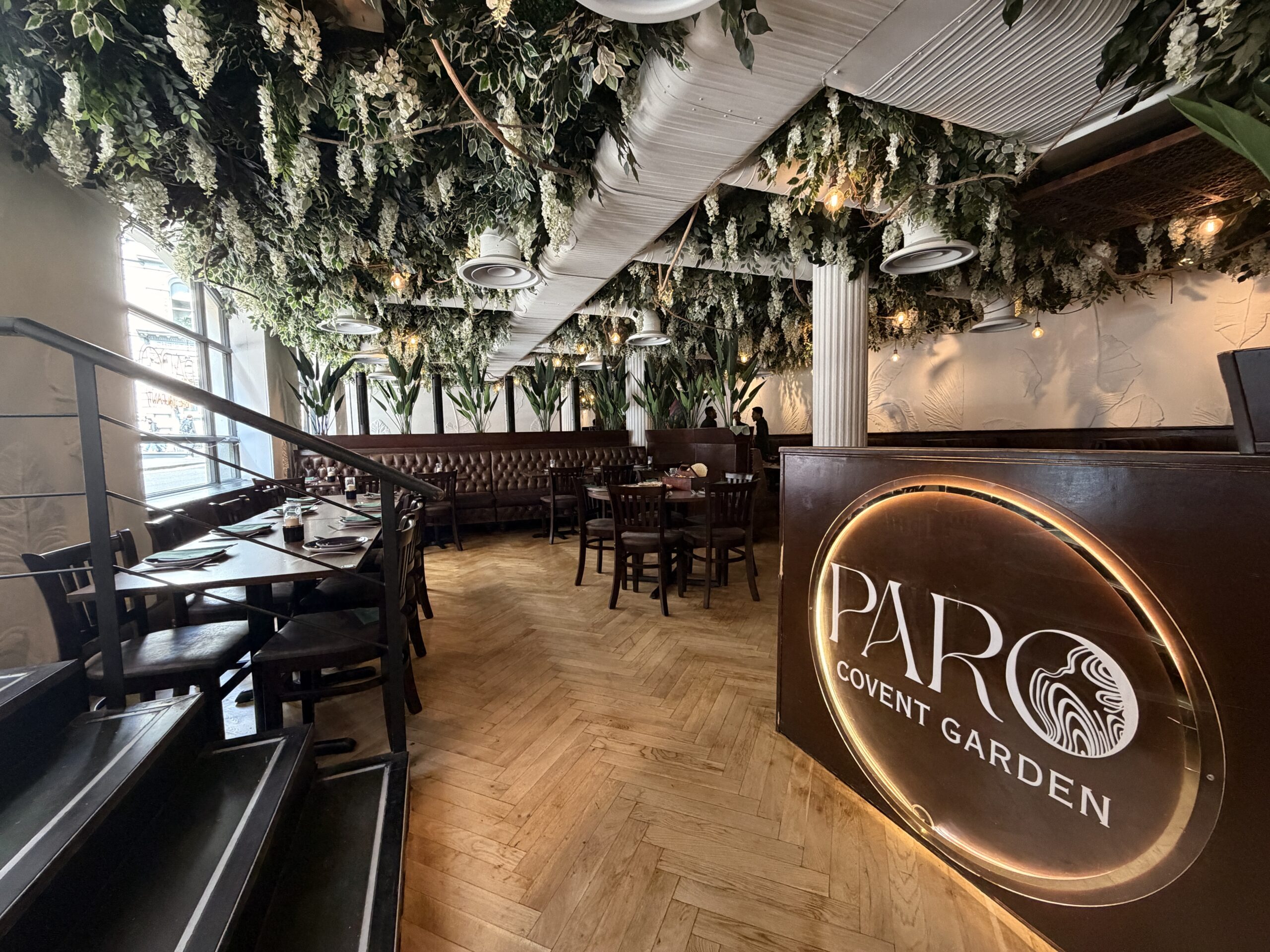
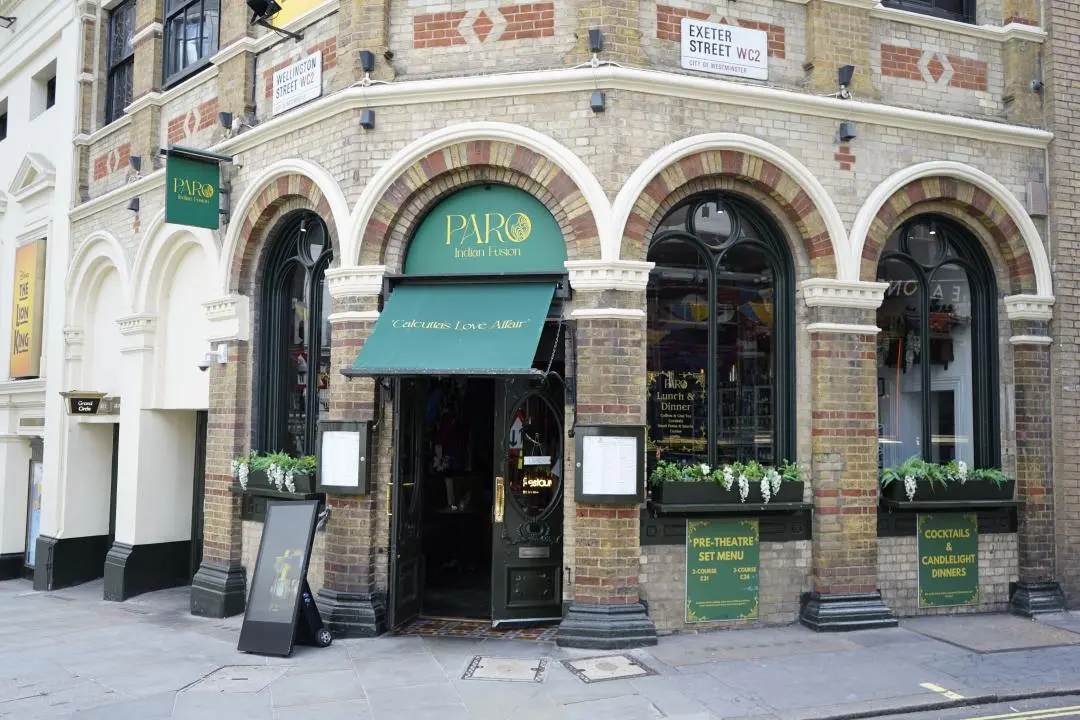
Situated at 21 Wellington St, London WC2E 7DN, Paro Indian brings Calcutta-inspired cooking and warm neighbourhood charm directly into the theatre district. Just moments from the Lyceum Theatre and the Covent Garden transport links, the location serves as a welcoming retreat from the bustling West End streets.
Finding a convenient restaurant Covent Garden theatre crowds rely on makes pre-show dining simple and dependable:
- Location advantage: Positioned directly across from iconic West End theatres, diners can enjoy dinner at a relaxed pace before walking to their seats in under two minutes.
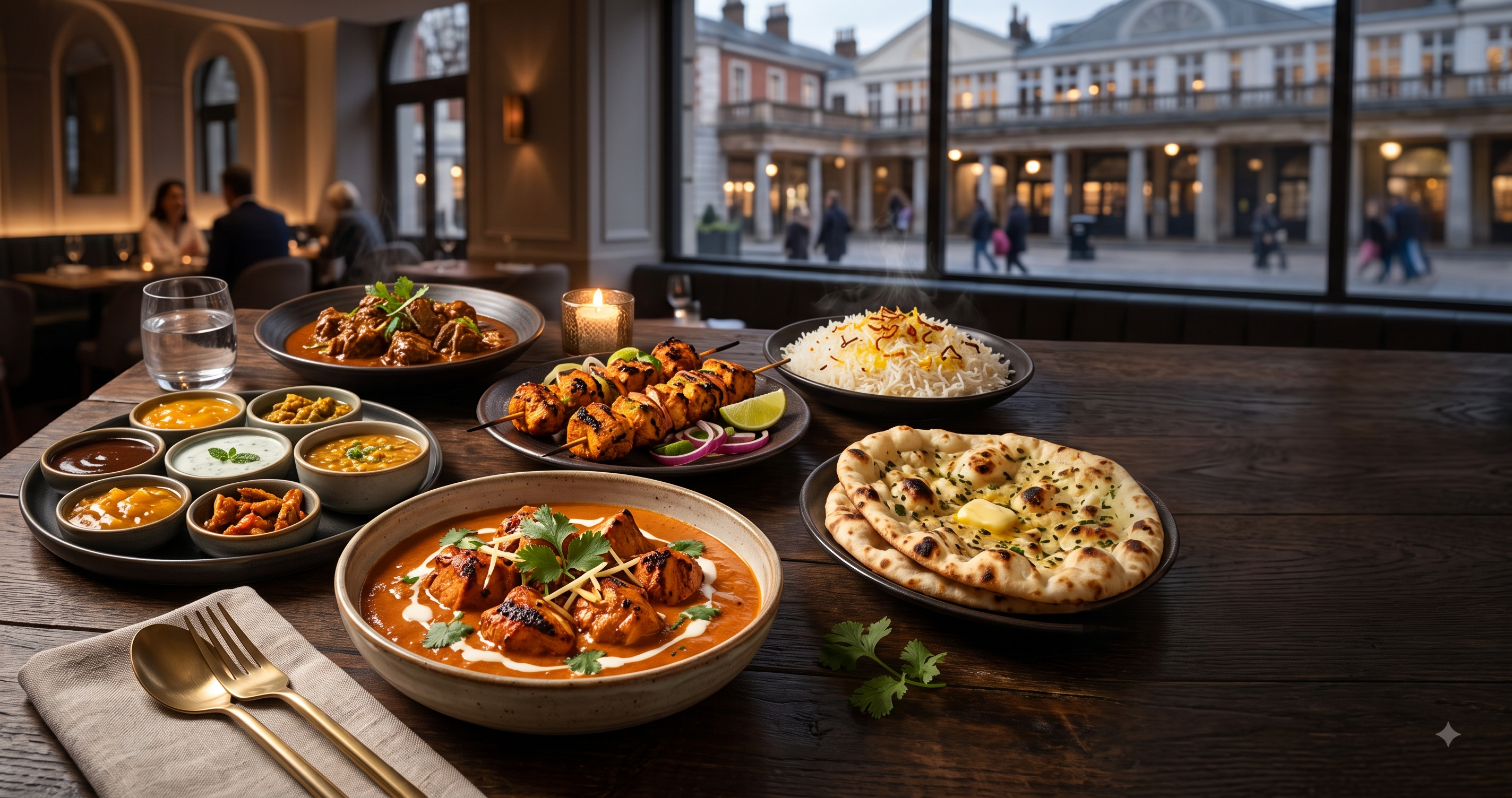
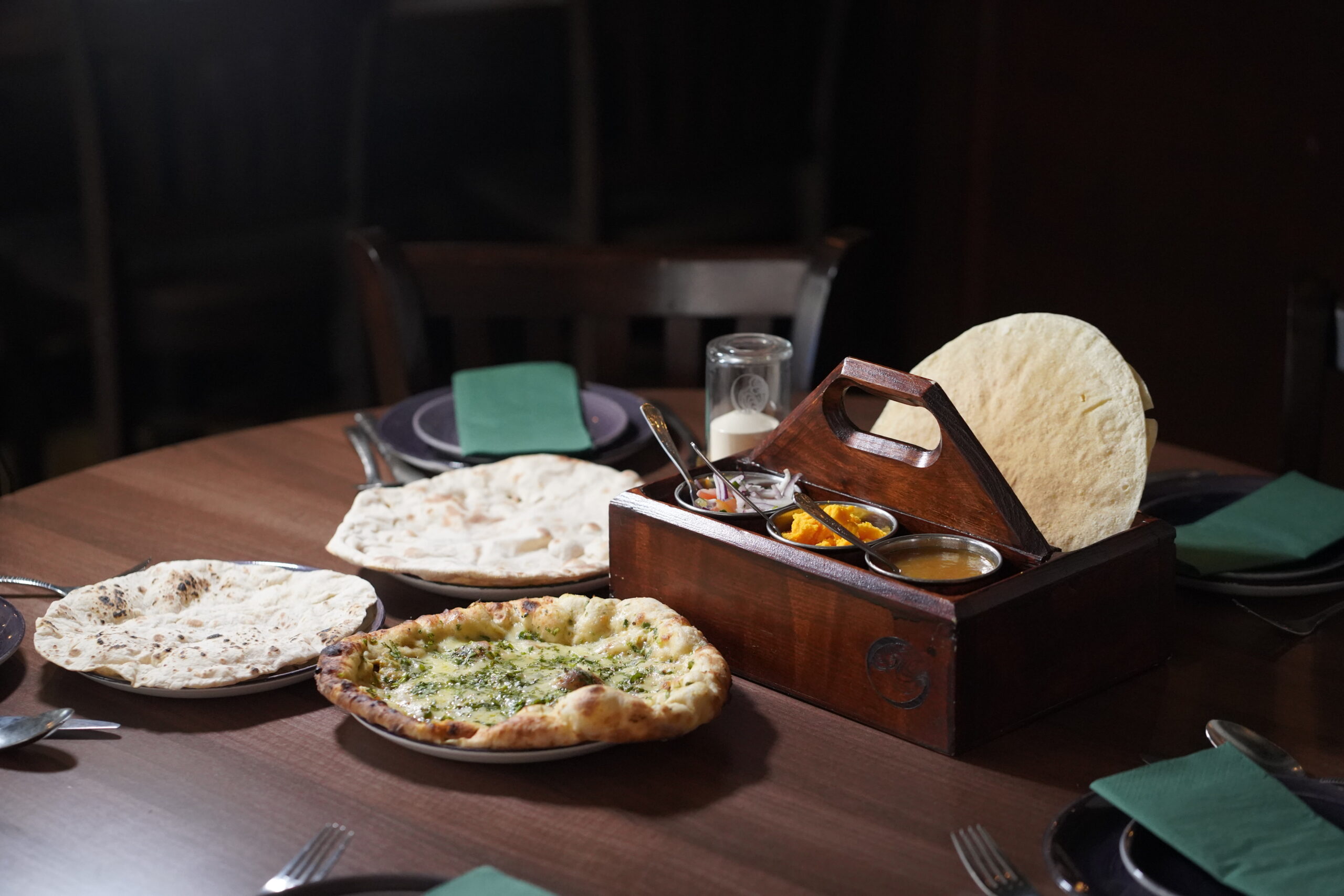
- Calcutta-influenced flavours: The kitchen focuses on regional recipes that showcase fragrant panch phoron (Bengali five-spice), slow-braised curries, freshly baked naans, and carefully charred tandoori items.
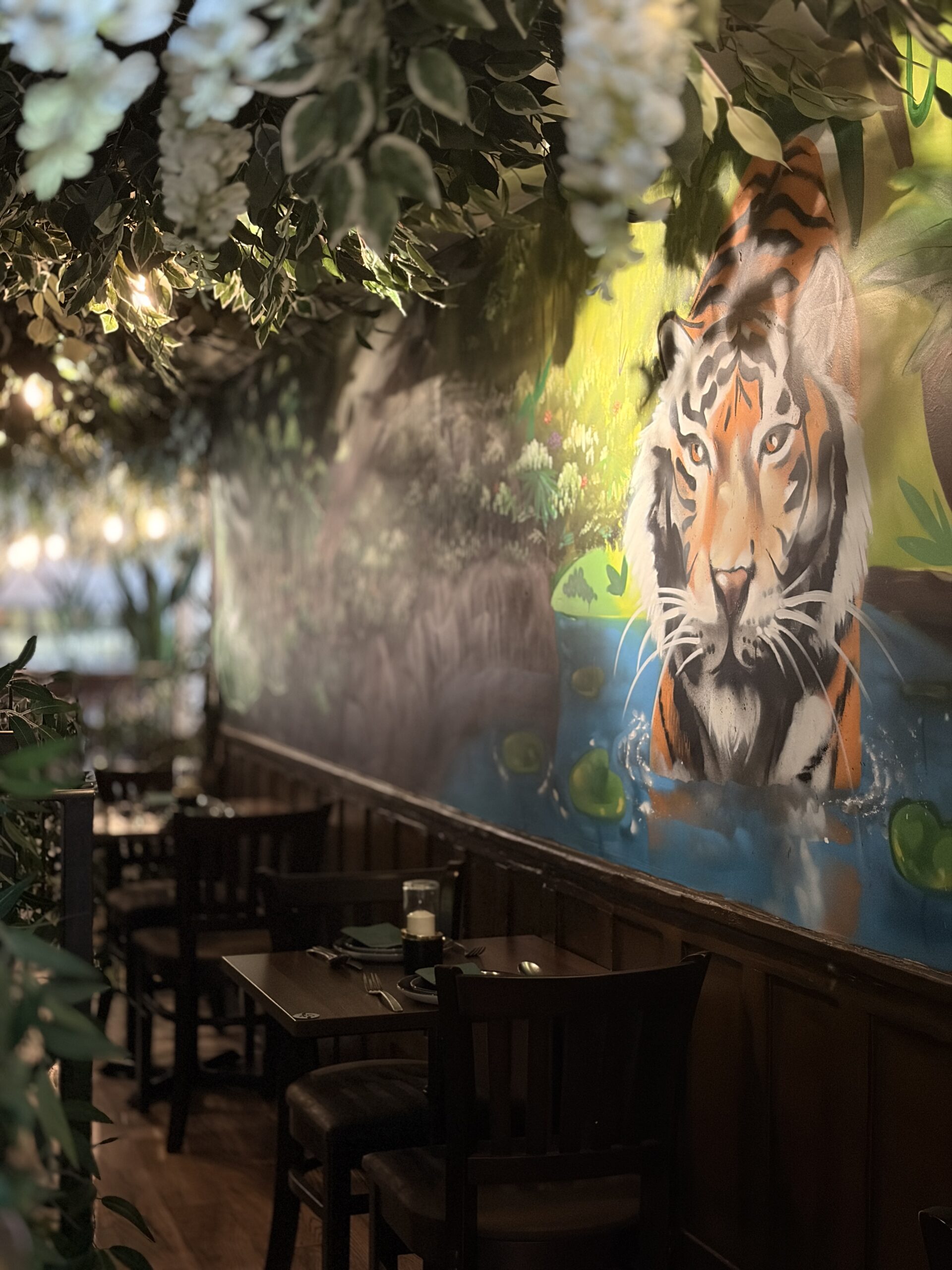
- Relaxed yet refined setting: The interior balances soft lighting, comfortable seating, and attentive service, establishing Paro Indian as a beloved Indian Restaurant Covent Garden visitors return to before or after curtain call.
If you are planning an evening in the area, choosing this restaurant Covent Garden spot allows you to combine theatre culture with genuine regional cooking.
Practical Tips for Planning Your Covent Garden Meal
To get the most out of your visit, keep these practical dining strategies in mind:
- Reserve for pre-theatre hours: The 5:00 PM to 6:30 PM window books up days in advance, especially from Thursday through Saturday. Booking ahead guarantees a table and gives the kitchen advance notice of your departure time.
- Communicate dietary requirements early: Inform staff about allergies, gluten intolerances, or preferences when ordering. Well-run kitchens easily adapt gravies and grills to accommodate guest needs.
- Share plates for variety: Indian dining is communal by design. Ordering two or three starters, a tandoori platter, a couple of curries, and warm breads allows everyone to taste different spice profiles.
- Allow adequate travel buffer: Central London traffic can be unpredictable. Relying on the Covent Garden, Leicester Square, or Charing Cross tube stations ensures punctual arrival.
Reserving at your chosen restaurant Covent Garden ahead of peak weekend hours eliminates unnecessary queuing and keeps your schedule relaxed.
FAQs
What time should I book a table before a Covent Garden theatre show?
Most evening West End performances begin at 7:30 PM. Booking your table between 5:00 PM and 5:30 PM gives you 90 minutes to enjoy starters, mains, and drinks comfortably, leaving ample time to walk to your theatre and collect tickets.
Does Paro Indian cater to halal dietary requirements?
Yes, Paro Indian serves certified halal meat and poultry, offering an inclusive dining environment for guests seeking high-quality halal dining in Central London.
What is the closest tube station to 21 Wellington Street?
Covent Garden Underground Station (Piccadilly line) is roughly a four-minute walk away. Charing Cross (Northern and Bakerloo lines) and Holborn (Central and Piccadilly lines) are also within convenient walking distance.
Is chicken shashlik spicy?
Chicken shashlik tandoori is mildly spiced and aromatic rather than intensely hot. The marinade uses spices like cumin, coriander, and turmeric for flavour complexity, while mild Kashmiri chilli provides vibrant colour without overwhelming heat.
Final Thoughts
Covent Garden offers an unmatched combination of culture, historic architecture, and diverse dining. Finding a memorable restaurant Covent Garden delivers comes down to clear culinary identity, quality ingredients, and attentive service that respects your schedule. Whether you are savouring slow-cooked regional dishes, enjoying tandoori grills, or looking for certified halal options near the stage doors, taking time to select the right table turns an ordinary night out into a standout Central London experience.