Few dishes capture the soulful depth and regional diversity of the subcontinent quite like an authentic fish curry. Across India’s expansive coastline and meandering river valleys, seafood is not merely a source of nourishment; it is an enduring cultural art form shaped by generations of culinary heritage. From the sun-drenched shores of Goa and Kerala to the vibrant waterways of Bengal, regional kitchens transform fresh catches into fragrant, spice-rich broths that bear little resemblance to generic high-street adaptations. For diners seeking this depth of character in London, establishments like Paro Indian in Covent Garden bring these regional culinary stories to life, offering an authentic glimpse into the nuanced traditions of Calcutta cuisine.
While modern dining has made curry a household staple across the UK, mass-market interpretations often mask the delicate sweetness of fresh fish beneath heavy, generic sauces. True subcontinental seafood cookery demands a completely different philosophy—one rooted in balance, freshness, and the precise tempering of whole spices. Understanding how different coastal communities approach seafood reveals a vibrant tapestry of regional techniques, distinct spice profiles, and revered family recipes.
The Regional Diversity of Indian Seafood Cooking
The culinary landscape of Indian coastal cuisine shifts dramatically as you travel along its vast coastline. Along the western shores, Goan and Konkani cooking celebrates the bold harmony of grated coconut, fiery red chillies, and the sharp, fruity acidity of kokum. Further south in Kerala and the Malabar coast, fragrant curry leaves, crushed black pepper, and soothing coconut milk create silky, rich gravies designed to complement flaky kingfish or pomfret.
In contrast, Eastern India—most notably Bengal—champions an entirely different philosophy. Rather than relying on heavy pastes or rich coconut bases, a traditional Eastern fish curry is celebrated for its light, restorative broth, known locally as a jhol. Here, pungent mustard oil, whole panch phoron (the classic Bengali five-spice blend), and freshly slit green chillies allow the natural flavour of the fish to remain the undisputed star. While many Londoners instinctively search for a dependable indian restaurant near me on busy weekday evenings, taking the time to seek out chefs who grind their own spices and respect coastal cooking methods elevates a simple dinner into a memorable occasion.
The Soul of Calcutta: Understanding Bengali Macher Jhol
In Calcutta, fish is woven into the very fabric of daily life, festive celebrations, and family gatherings. The traditional Bengali meal is incomplete without maach (fish), whether sourced from freshwater rivers or coastal estuaries. The crowning jewel of this culinary affection is Macher Jhol—a comforting, aromatic stew simmered with seasonal vegetables like pointed gourd (potol), potatoes, and cauliflower, delicately flavoured with cumin, ginger paste, and ground turmeric.
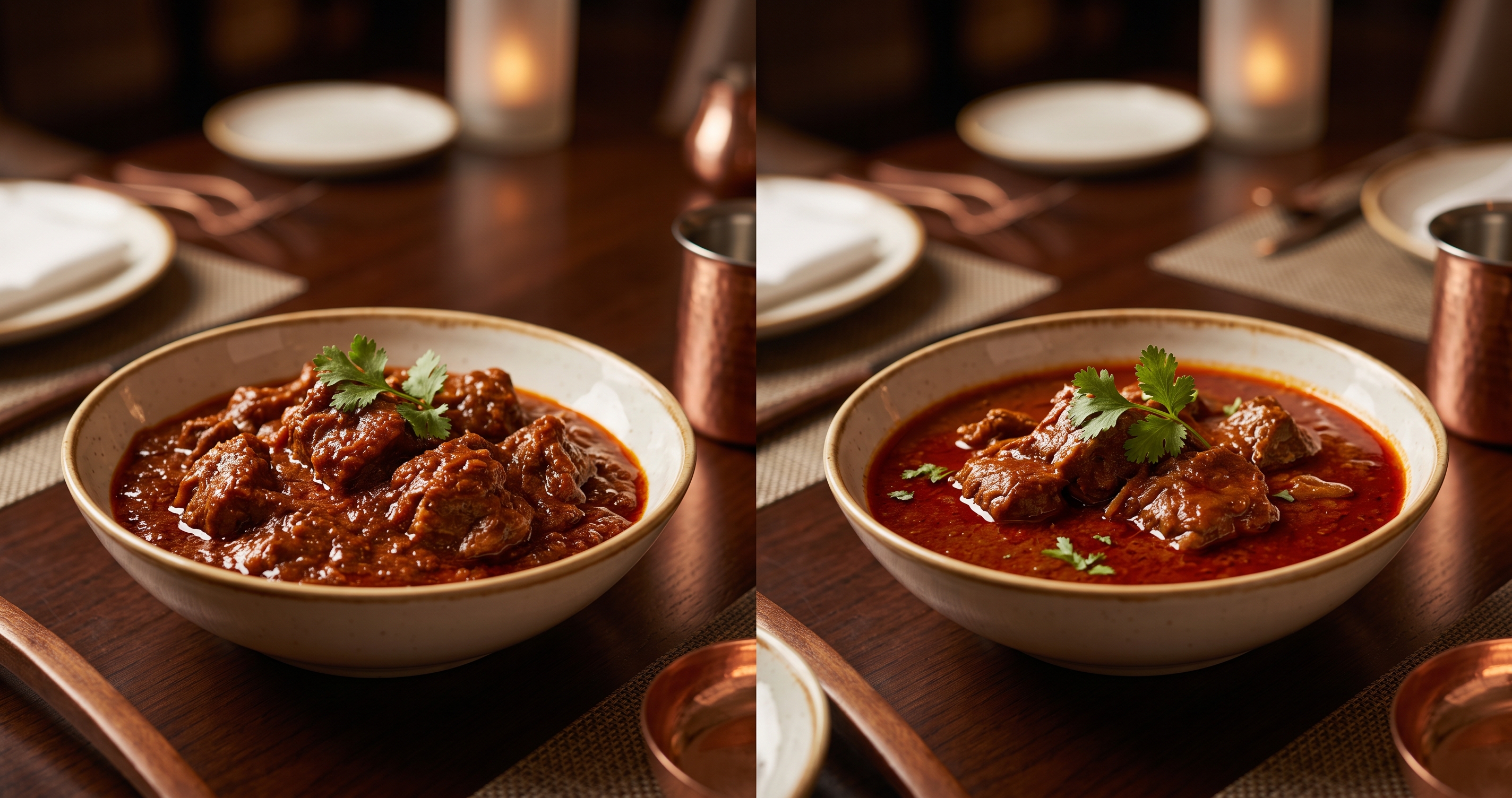
For food lovers eager to taste this culinary tradition in Central London, Paro Indian in Covent Garden prepares an exceptional Bengali fish curry, known traditionally as Macher Jhol, honouring authentic Calcutta home-cooking techniques. Under the culinary direction of Chef Niaz Caan, the kitchen avoids generic curry pastes in favour of freshly roasted spice blends and precision cooking. Diners navigating central London curated maps and roundups for the Best restuarants covent garden frequently prioritise independent establishments that showcase authentic regional identity over homogenous dining chains.
Essential Spices and Cooking Techniques for Seafood
Mastering seafood within Indian cookery requires an intimate understanding of heat, oil, and aromatics. Unlike hearty meats like lamb or chicken, which benefit from prolonged, slow simmering, fish possesses delicate muscle fibres that can quickly turn dry or rubbery if mishandled. Achieving the perfect texture in a traditional fish curry requires treating delicate seafood with precision, lightly searing firm fillets so they absorb the simmered gravy without disintegrating.
The foundation of flavour always begins with the tempering of whole spices—a technique known as chhonk or tadka. In Eastern kitchens, smoking mustard oil until it reaches its flash point mellows its raw sharpness, transforming it into a nutty, golden medium. The primary aromatics that define this cooking style include:
- Panch Phoron: A fragrant combination of cumin, brown mustard, fenugreek, nigella, and fennel seeds bloomed in hot oil to release delicate aniseed and savoury notes.
- Pure Mustard Oil: Heated to its smoking point to temper its initial pungency into a smooth, warming richness.
- Ground Turmeric and Ginger: Providing gentle earthiness, digestive warmth, and the broth’s characteristic golden amber hue.
- Fresh Green Chillies: Slit lengthwise to impart a bright, grassy heat without overwhelming the delicate seafood.
Selecting the Right Catch for Traditional Gravies
Traditional Bengali households traditionally favour freshwater varieties such as Rohu, Katla, and the prized Hilsa (Ilish). In a British restaurant setting, skilled chefs adapt these time-tested spice matrices to sustainably sourced UK catches like sea bass, monkfish, salmon, or cod. Firm, meaty fish hold up beautifully against warming gravies, while white fish absorb the subtle floral and earthy notes of turmeric and cumin without overpowering the dish.
From Search to Table: Finding Authentic Regional Flavours in London
London is celebrated as one of the world’s great dining capitals, yet finding authentic regional Indian cuisine amidst a sea of commercialised menus can sometimes prove challenging. When wandering through Theatreland in search of an authentic dining experience, typing indian restaurant near me into a search engine often brings up hundreds of generic curry houses, yet discovering a venue dedicated to specific regional heritage like Calcutta cuisine makes all the difference.
Located on Wellington Street just steps away from the Lyceum Theatre, Paro Indian provides an oasis of genuine Bengali warmth in the heart of Theatreland. When discerning visitors look beyond conventional guides to identify the Best restuarants covent garden has to offer, venues committed to fresh ingredients and masterfully balanced spice blends consistently stand out. Diners can enjoy an unhurried pre-theatre dinner or a leisurely weekend feast, sampling dishes that reflect centuries of cultural confluence, from royal Mughal banquet traditions to bustling Calcutta street food stalls.
Complementing the Meal: Drinks, Afternoon Tea, and Accompaniments
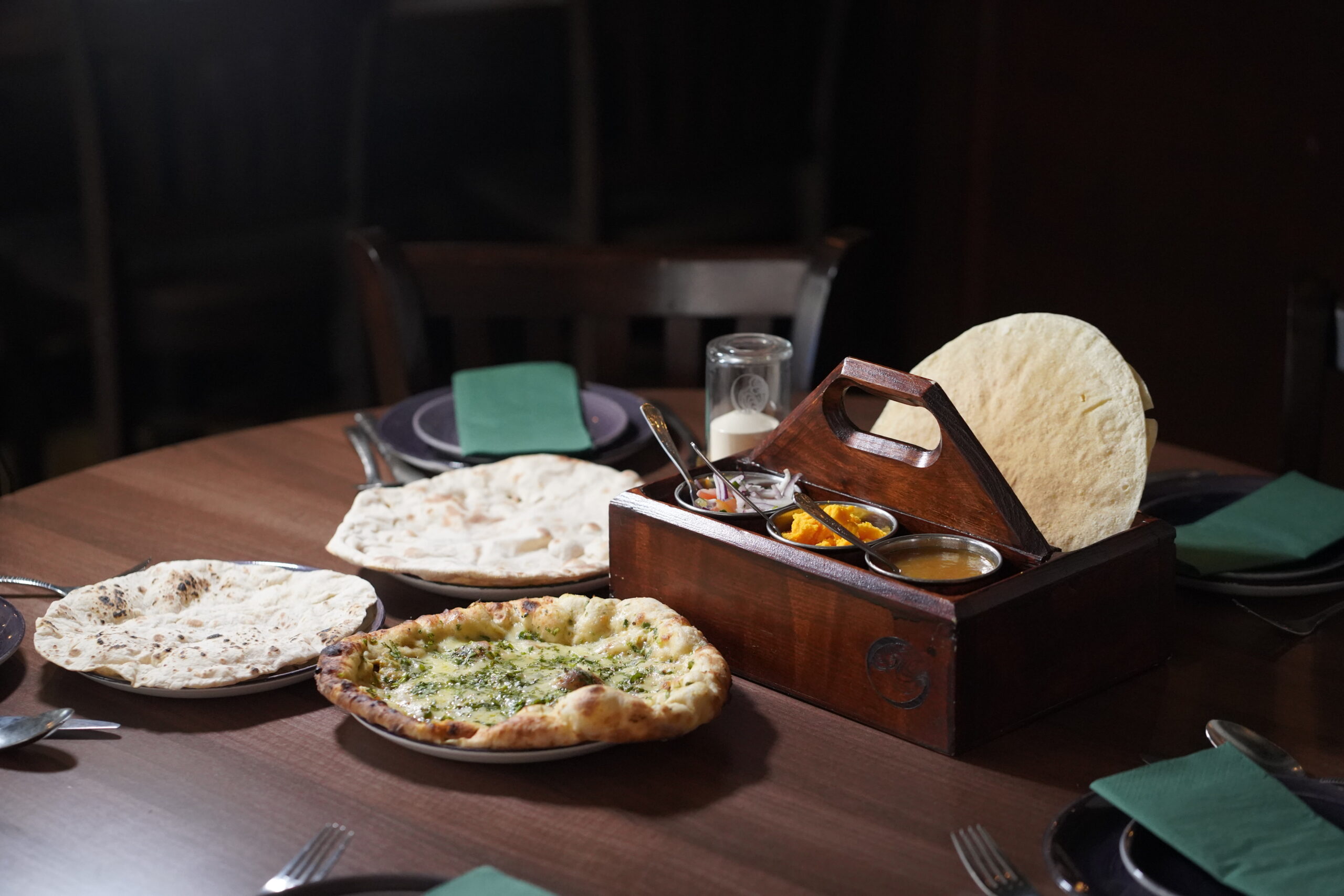
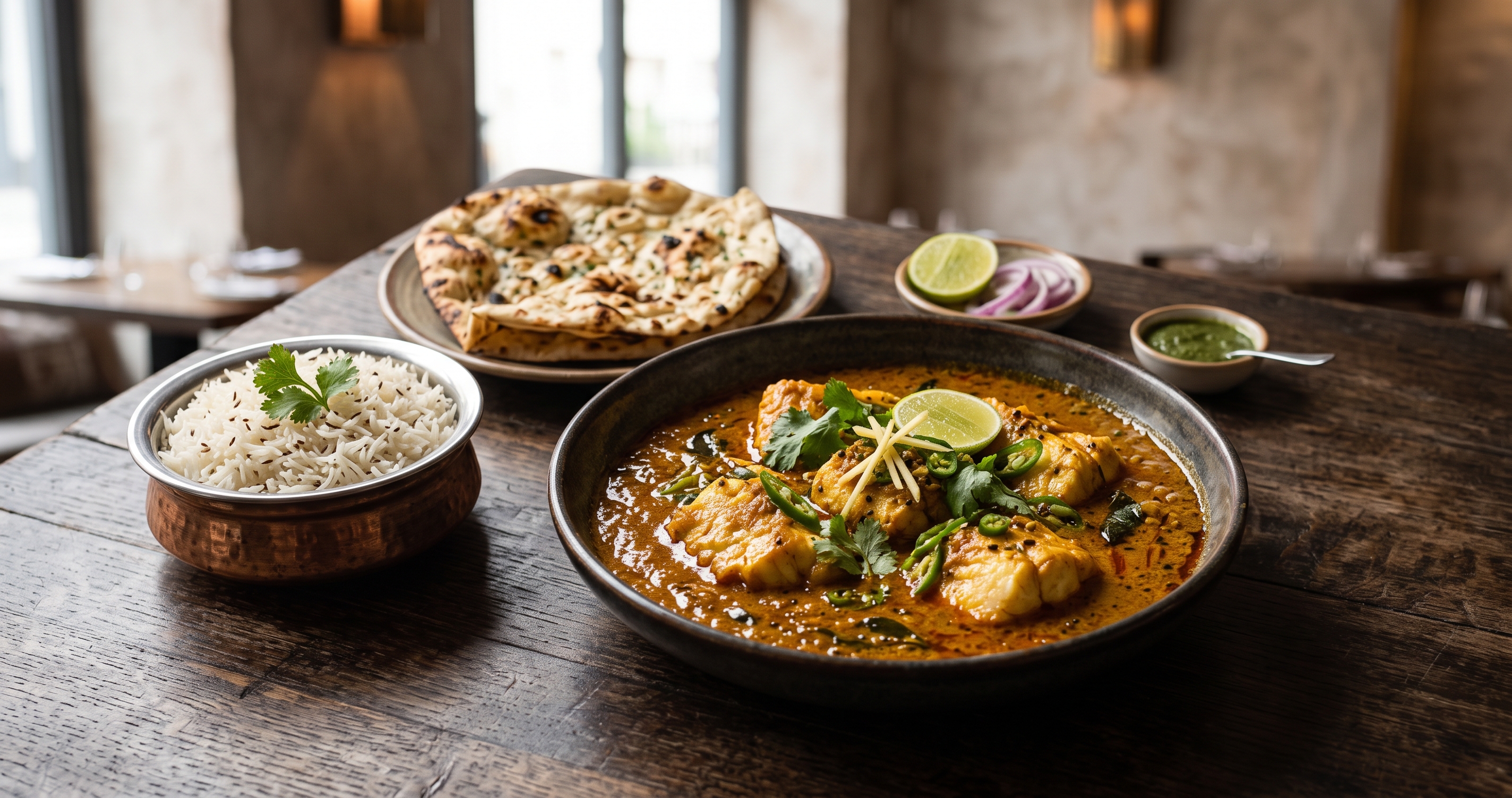
To fully appreciate regional Indian cooking, careful attention must be given to accompaniments and drinks. A light seafood broth is traditionally savoured over a mound of steaming, fragrant basmati rice, allowing the grains to soak up the aromatic turmeric and cumin gravy. For added indulgence, puffed luchi (deep-fried Bengali flatbreads made with refined flour) or flaky layered parathas provide satisfying textural contrast.
Pairing rich seafood sauces with the right beverage is essential, and sampling specialised covent garden drinks—such as botanical gin cocktails infused with cardamom or chilled mango coolers—provides the perfect refreshing counterpoint to lively spices. Whether stopping by before a curtain call at the Lyceum Theatre or relaxing after dinner, enjoying innovative covent garden drinks alongside light bites has become a quintessential part of an evening in the West End.
For those who wish to explore Indian flavours outside standard evening dining hours, experiencing an indian afternoon tea london offers a creative culinary bridge, combining savoury Bengali snacks and aromatic chai in an elegant West End setting. The growing popularity of indian afternoon tea london reflects a broader appetite among UK food enthusiasts for adventurous midday experiences that celebrate warm spices, flaky pastries, and artisanal teas.
Final Thoughts
Exploring the rich regional traditions of Indian seafood invites diners to move far beyond standard takeaway fare and experience the nuanced brilliance of coastal cooking. Whether you are exploring regional seafood traditions for the first time or craving the nostalgic warmth of a home-style meal, a well-crafted fish curry offers an unforgettable harmony of spices, technique, and cultural heritage. For Londoners and visitors strolling through Covent Garden, Paro Indian stands as a proud ambassador of Calcutta’s timeless gastronomy, delivering an authentic culinary experience that lingers long after the final bite.