
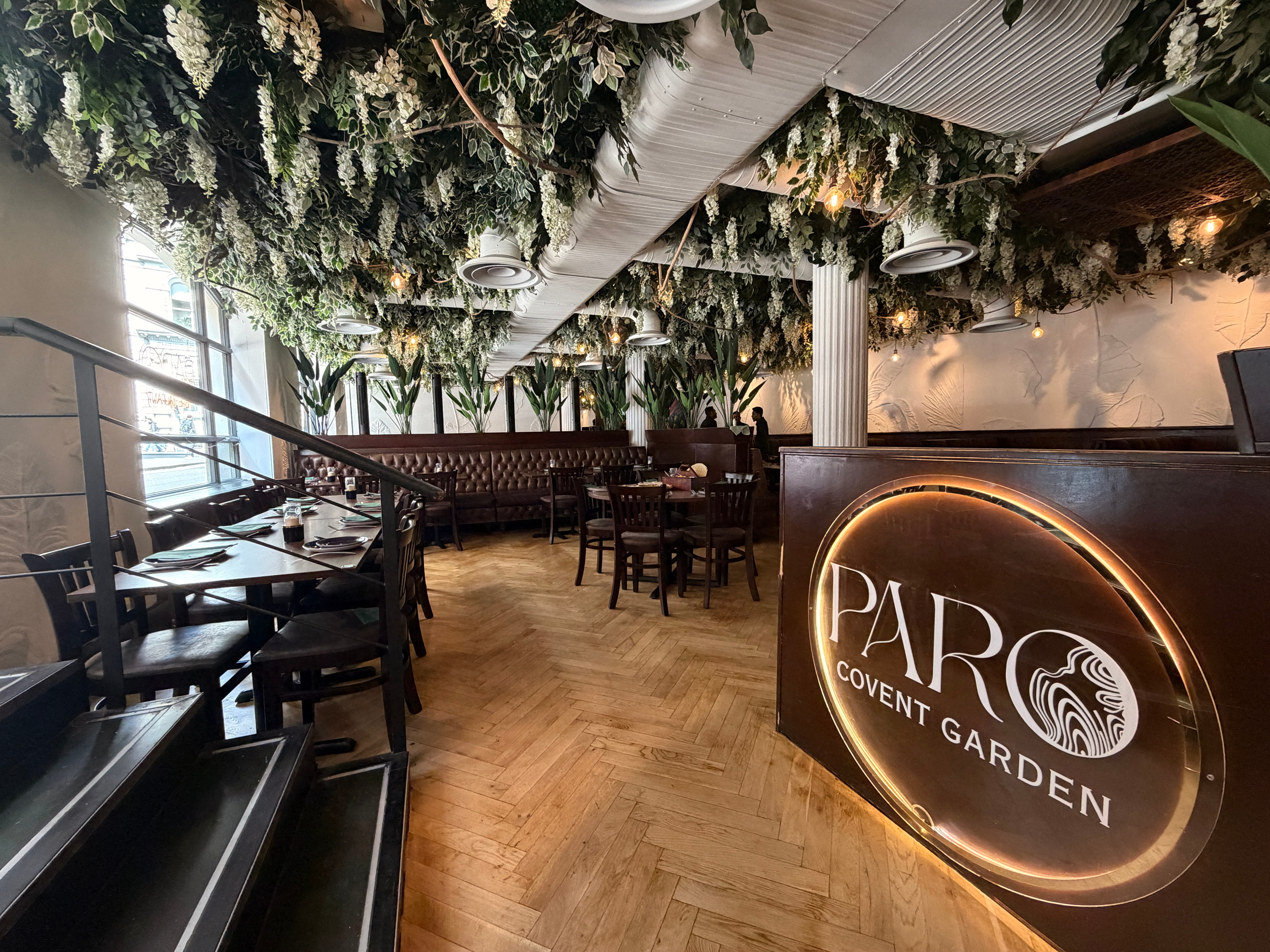
Food lovers recommend the best halal restaurants Covent Garden has because, at their best, they combine trustworthy sourcing with serious cooking: properly marinated meat, real char from a hot oven, layered spice and staff who can explain every dish. The halal label gets people through the door. The cooking is what makes them tell their friends.
We say that as cooks rather than critics. Recommendations are earned plate by plate, and the things that earn them are often small, technical and invisible on a menu. This piece is about those things.
What do experienced diners look for first in the best halal restaurants Covent Garden offers?
People who eat out a lot develop instincts. They read a menu and know within a minute whether the kitchen is cooking or assembling. From our side of the pass, these are the signals we think matter most, roughly in the order a seasoned diner notices them:
- A focused menu with clear labelling. A menu that tags halal, vegan, gluten-free and allergen information shows a kitchen that knows exactly what goes into each dish. Ours is tagged for halal, vegan, vegetarian, gluten-free, dairy-free and nut-free diners for this reason.
- Breads made to order. A naan should arrive puffed, blistered and too hot to tear comfortably. One that has been sitting goes leathery within minutes.
- Char that tastes of smoke, not bitterness. That is the difference between a hot, well-managed tandoor and a grill that is too cool or too dirty.
- Sauces with depth rather than heat. Chilli can be added by anyone. Layers of flavour take time.
- Staff who can answer questions. Ask where a dish comes from or what is in it. A good team answers with interest, not a script.
None of these are expensive to get right. They just require care, every service.
Why does a yoghurt marinade matter so much?
If there is one technique that separates the best halal restaurants Covent Garden diners rave about from the merely adequate, it is marination.
A yoghurt marinade is gentle chemistry. Yoghurt is mildly acidic, thanks to lactic acid, and that acidity loosens the surface proteins of meat without turning it mushy the way a strong citrus or vinegar marinade can if left too long. The calcium in dairy is also thought to help activate the meat’s own enzymes, which break down muscle fibres. The result is tender meat with a soft, almost velvety edge.
In practice, chicken needs around four to eight hours in a yoghurt marinade, and lamb benefits from overnight. Too short and the spices sit on the surface; too long, especially with added lemon, and the texture goes chalky. Many kitchens add a little mustard oil or a neutral oil to the marinade so the spices bloom when they hit the heat.
Then comes the oven. A tandoor’s clay walls radiate intense heat, and that is why tandoori meat chars at the edges while staying juicy inside. The yoghurt coating caramelises and protects the meat at the same time.
Does halal meat taste different?
This is a question we hear often, and the honest answer is that it is debated. Halal slaughter requires the animal’s blood to be drained, and some cooks and diners believe this produces cleaner-tasting meat. Others argue that breed, feed, age and how the meat is hung and handled make far more difference to flavour. We think the second group has the stronger case.
What we can say with confidence is that a halal kitchen that cares about quality tends to care about everything else too: the supplier relationship, the butchery and the storage. Diners notice that care. It is one reason why halal fine dining London has grown from a niche interest into something mainstream: people realised they did not have to choose between their principles and an excellent meal.
How does regional cooking change the experience?
Many London Indian restaurants serve a broadly similar menu drawn from Punjabi and Mughlai traditions. That food can be wonderful, but food lovers often go looking for something more specific.
Chef Niaz, who leads our kitchen, cooks from Kolkata and West Bengal, and Bengali cooking has its own grammar. Mustard is central: as seeds tempered in hot oil, as a pungent paste ground with green chilli, and as mustard oil, which is heated until it just reaches smoking point to tame its sharpness before cooking. Panch phoron, a whole-spice blend of fenugreek, nigella, cumin, black mustard and fennel seeds, gives vegetable dishes a distinctive crackle and perfume. There is a love of gentle sweetness balanced with sharpness, and fish and seafood play a far larger role than in north Indian menus.
On top of that regional grounding, our dishes are built on a house 48-spice mix. When a regular Indian restaurant Covent Garden visitors walk past every day can show you a regional voice like this, that is often what people end up recommending.
Why does location matter to a good recommendation?
Food lovers are practical. A brilliant restaurant that is impossible to reach on a theatre night will not get recommended to friends with tickets.
Paro sits at 21 Wellington Street, right beside the Lyceum Theatre, with the Royal Opera House, the Fortune Theatre, the Piazza and the Strand all within a few minutes’ walk. That makes it an easy restaurant pre theatre choice for anyone seeing a show nearby, and equally easy for post-theatre supper. We are open for lunch Wednesday to Sunday from midday, which suits people exploring Covent Garden during the day.
For a pre-theatre meal, a good rule of thumb is to sit down two hours before curtain and tell your server what time you need to leave. A kitchen used to theatre crowds will pace the meal around you.
What should you order on a first visit?
Recommendations often come down to one dish someone could not stop talking about. To give yourself the best chance of finding yours, order to share and order for contrast.
| Course | What to look for | Why |
|---|---|---|
| Start | Something from the tandoor | Tests the kitchen’s heat control and marination |
| Main one | A slow-cooked meat or fish curry | Shows depth of spice and patience |
| Main two | A vegetable or lentil dish | Reveals whether vegetarian cooking gets equal care |
| Sides | Plain rice, one fresh bread, a raita | Lets the main dishes speak |
| Finish | A Bengali-style sweet if available | Kolkata is famous for its sweets |
If you are unsure, ask the team what they would eat. In our experience, staff recommendations are often the most honest guide to what the kitchen does best that day.
Key Takeaways
- The best halal restaurants Covent Garden offers stand out for cooking quality, not only for the halal label.
- Yoghurt marinades work through gentle lactic acidity; timing matters as much as the spice mix.
- Whether halal meat tastes different is debated; supplier quality and handling make the clearest difference.
- Regional cooking, such as Bengali mustard and panch phoron, gives a restaurant its own voice.
- Order to share and for contrast on a first visit, and ask staff for their own favourites.
Frequently Asked Questions
What makes a halal restaurant one of the best?
The best combine trustworthy, traceable halal sourcing with skilled cooking and clear menu labelling. Food lovers look for fresh breads, controlled char and sauces with real depth.
How long should meat be marinated in yoghurt?
Chicken generally needs four to eight hours and lamb benefits from overnight. Very long marination with added citrus can make the surface chalky.
Is Bengali food very spicy?
Not usually. Bengali cooking relies on mustard, panch phoron and a balance of sweet and sharp flavours, and many dishes are gentle in chilli heat.
Is Covent Garden a good area for pre-theatre dining?
Yes. Many theatres sit within a few minutes’ walk of each other, so restaurants nearby are well practised at serving diners on a timetable.
Can non-Muslim diners eat at halal restaurants?
Of course. Halal describes how meat is sourced and prepared; anyone can enjoy the food.
Final Thoughts
Recommendations are the most honest measure of a restaurant. The best halal restaurants Covent Garden has earn them through careful marination, controlled heat, real regional character and a team that can talk about the food with pride. We work hard to be one of them. If you are nearby, before a show at the Lyceum or for a midweek lunch, come and eat with us at Paro and judge for yourself.

