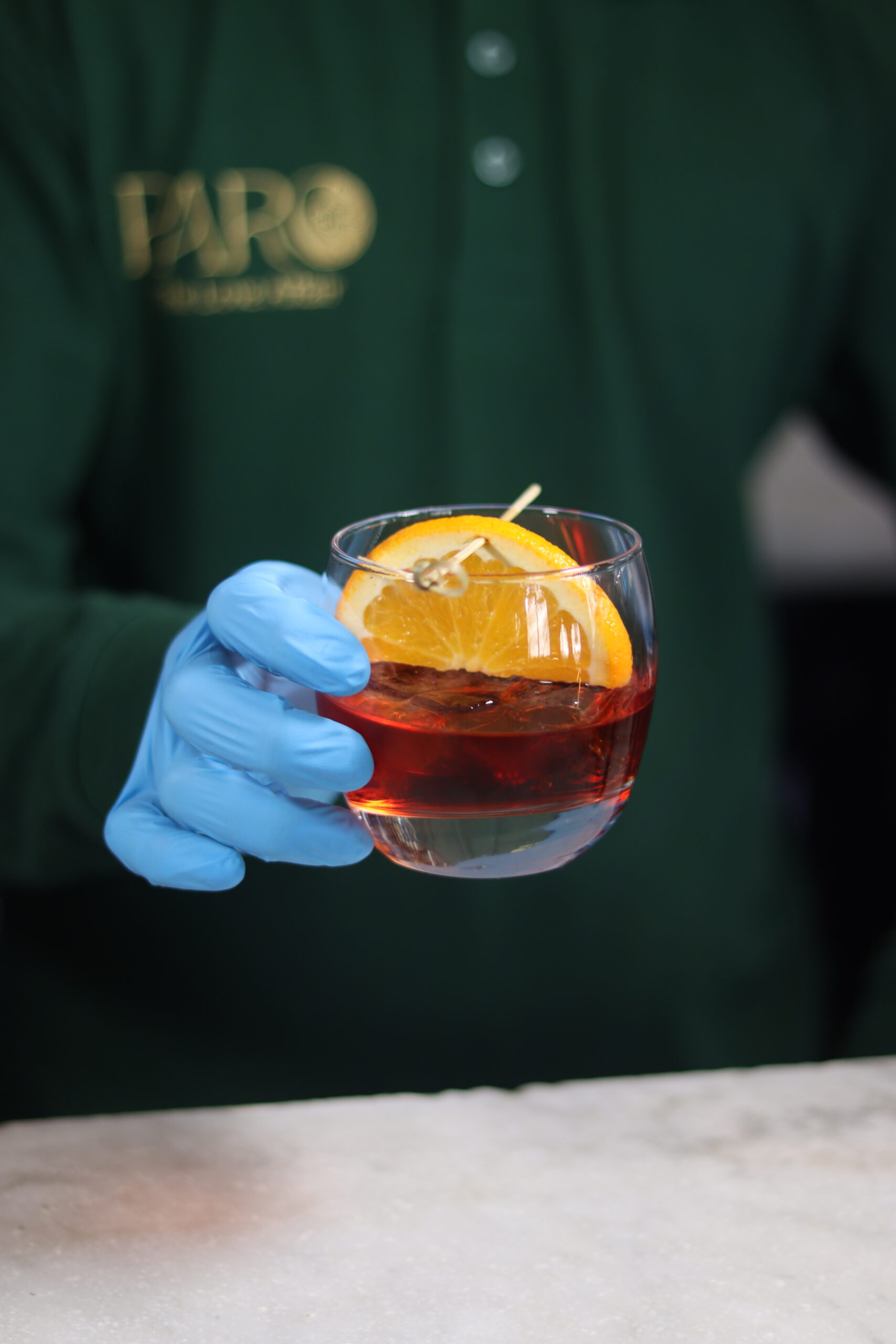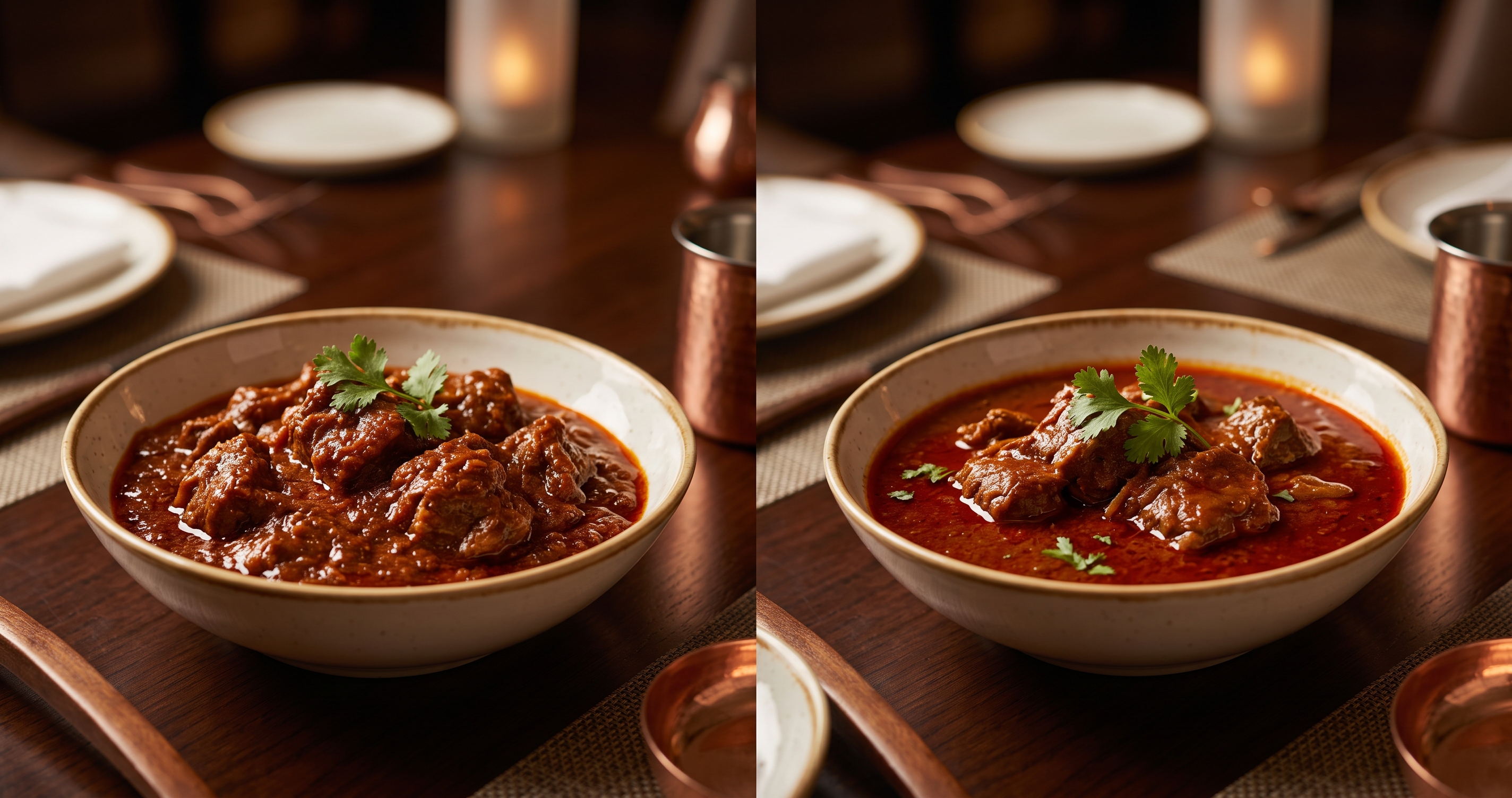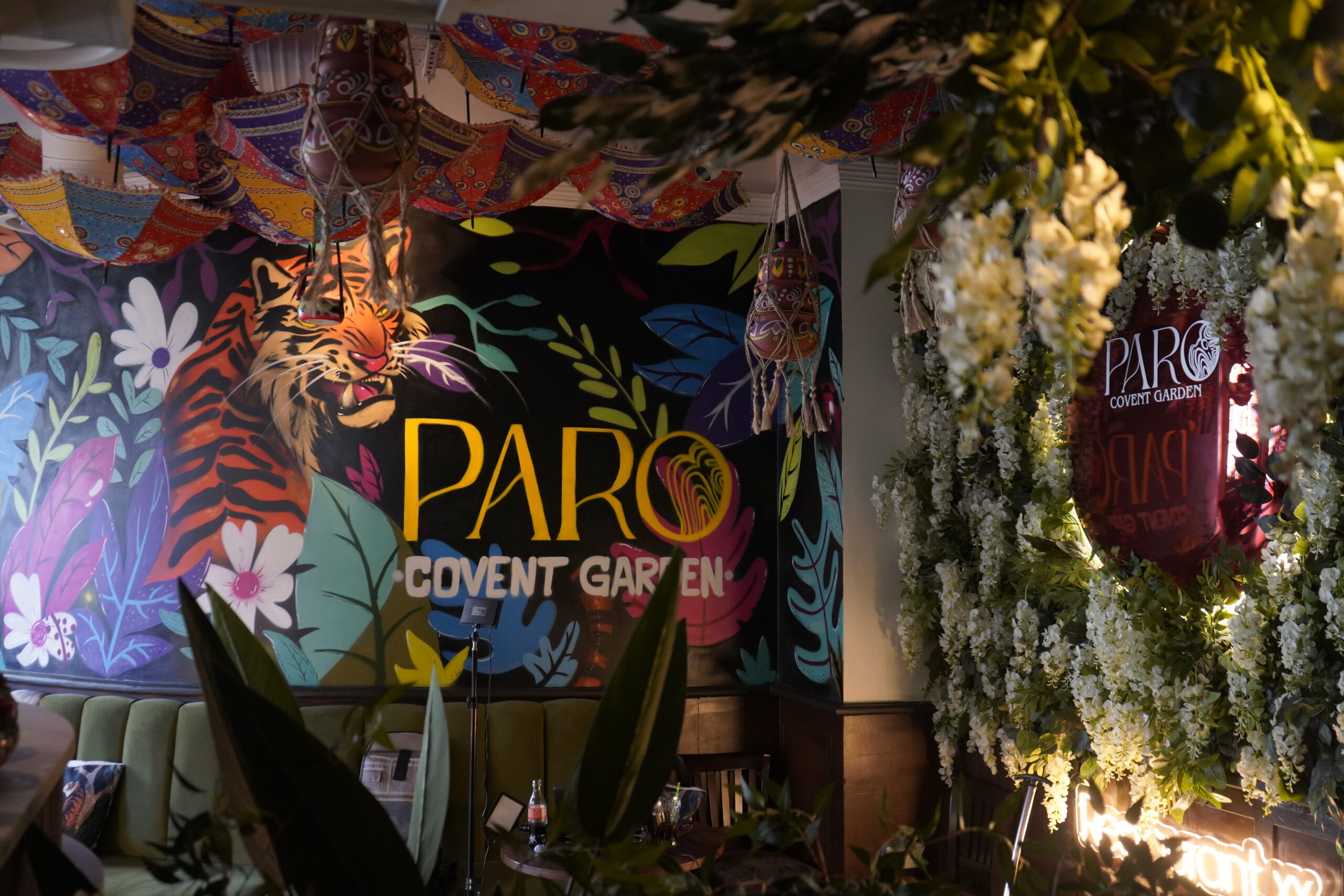
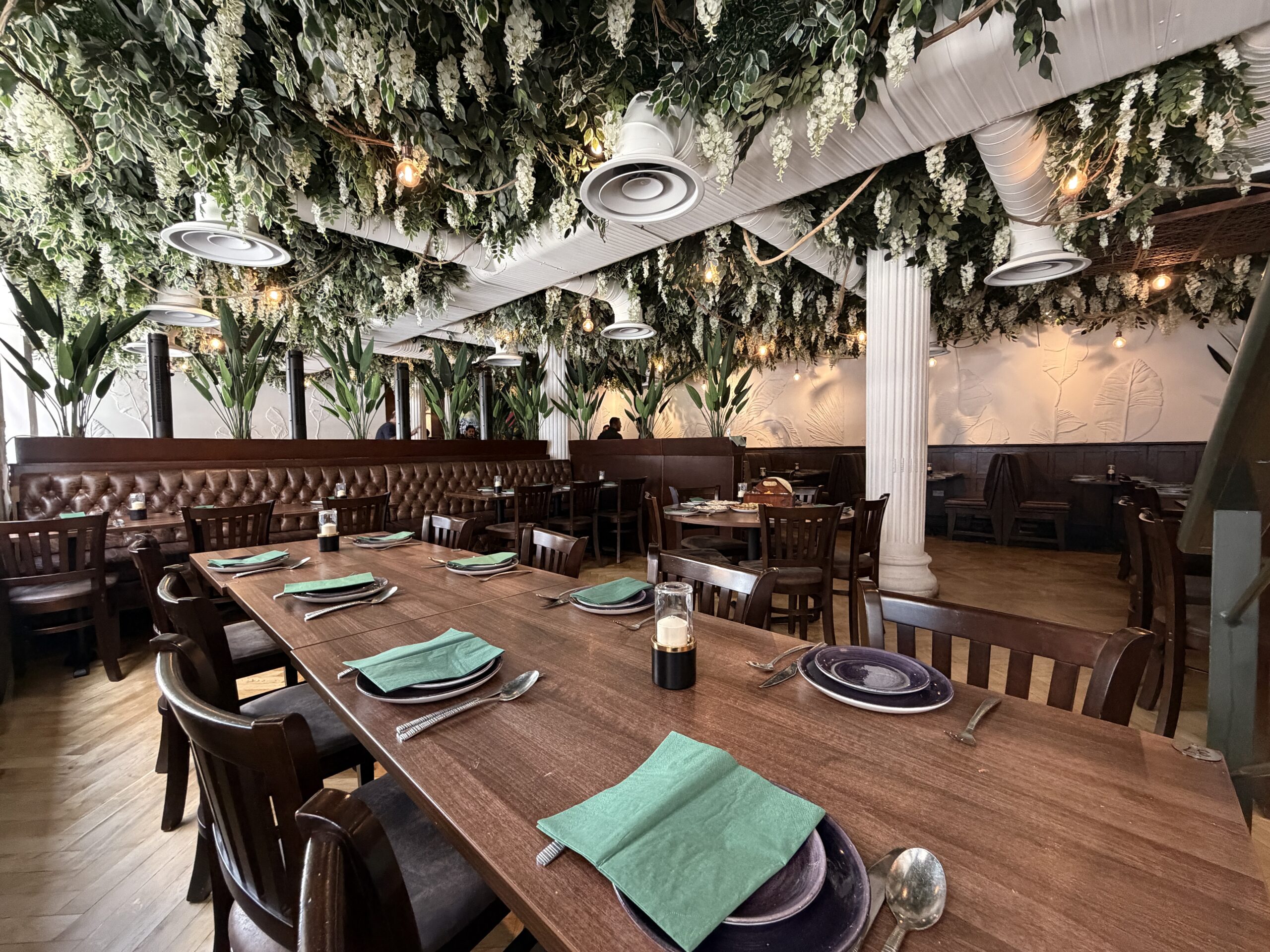
To choose a good Indian restaurant Covent Garden has to offer, look for three things: a menu with a clear regional identity rather than every curry ever invented, signs of cooking from scratch (fresh bread from a tandoor, whole spices tempered to order), and a kitchen that can handle your timing and dietary needs. The rest is personal taste.
How Do You Read The Menu Of An Indian Restaurant Covent Garden Visitors Recommend?
The first thing we look at when we eat out is the length of the menu. A list of seventy curries, each available with chicken, lamb, prawn or vegetables, usually means a handful of base sauces finished in different ways. That system is not wrong, and it produces some satisfying food, but it rarely produces depth.
A focused menu suggests the kitchen has made choices. It might lean towards a region (Punjab, Kerala, Bengal, Hyderabad) or a style of cooking (tandoor, home-style, street food). Within it, dishes should taste different from each other. If the korma, the jalfrezi and the madras all share the same orange gravy with more or less chilli, the kitchen is working from one base.
Our own cooking is grounded in Chef Niaz’s Kolkata and West Bengal background, and you will see that in how we use mustard, panch phoron and fish. Every dish is built on a house 48-spice mix, but the mix is a foundation, not a shortcut. Each dish is tempered, layered and seasoned in its own way.
How Can You Tell The Cooking Is Fresh?
You can learn a lot before the main course arrives.
- Smell the room. Whole spices frying in hot oil (cumin, cardamom, cloves, mustard seed) give off a sharp, toasty aroma that drifts into the dining room. Stale reheated sauces smell flat.
- Watch the bread. Naan cooked against the wall of a tandoor at 400°C or more puffs in under two minutes and arrives blistered, with charred freckles and a soft interior. Bread that is uniformly pale or rubbery has probably been warmed through.
- Check the rice. Good basmati grains are long, separate and unbroken. Broken grains often mean the rice was over-stirred or cooked in too little water.
- Taste the raita and chutneys. Fresh mint chutney is bright green. Once it turns olive, it has oxidised and been sitting a while.
- Look at the tandoori dishes. Proper tandoor cooking leaves light charring on the edges while the centre stays juicy, thanks to a yoghurt marinade whose mild acidity loosens surface proteins and helps the meat stay moist in fierce heat.
None of these needs special knowledge. They just need attention.
Does A Restaurant Know How To Feed You Before A Show?
Covent Garden is theatre land, so timing is a real test of an Indian restaurant Covent Garden guests can rely on. Ask any good restaurant pre theatre diners favour how it handles a 7.30pm curtain, and you should get a clear answer about when to arrive and what moves quickly.
From our spot beside the Lyceum, our advice is simple: allow about 75 to 90 minutes for a relaxed meal before a show. Tell your server about the curtain time when you sit down, not when the mains are late. Tandoori dishes, breads and many curries come quickly because they are cooked to order in minutes or from bases already built. Slow-cooked biryanis that are sealed and finished to order take longer. Let the kitchen guide you.
A good restaurant west end audiences come back to will also feed you after the show. Post-theatre dining has a different rhythm: guests are hungry, a little energised and keen to talk, so the meal can be shared and unhurried.
How Well Does The Kitchen Handle Dietary Needs?
This is where many restaurants fall short. A clearly labelled menu helps everyone, and it also tells you the kitchen understands its own recipes.
At Paro, our menu is tagged for halal, vegan, vegetarian, gluten-free, dairy-free and nut-free diners. That matters for any Indian restaurant Covent Garden diners trust, because so many Indian dishes hide ingredients. Kormas and many Mughlai sauces use cashew or almond paste. Makhani gravies use butter and cream. Naan often contains yoghurt or egg. Asafoetida, used in many lentil dishes, is commonly cut with wheat flour.
If a server cannot answer a question about nuts or gluten straight away, they should go and ask the kitchen. Any best indian restaurant west end london diners recommend should do this without fuss.
Which Dish Should You Use As A Test?
Every cook has a benchmark dish. Ours, when trying a new place, is often the chicken jalfrezi, because it shows whether the kitchen respects texture.
A proper jalfrezi is a stir-fry at heart. The name is commonly linked to Bengali or Anglo-Indian cooking in colonial Calcutta, where leftover meat was quickly fried with onions and chillies, though the exact origin is debated. The peppers and onions should still have a little bite, and the sauce should be thick and clinging, not soupy. If it arrives swimming in gravy with soft, grey peppers, the dish has been treated as just another curry.
If you want to compare at home, here is the outline of a chicken jalfrezi recipe we would stand behind for four people:
- Marinate 600g diced chicken thigh in 1 tsp turmeric, 1 tsp chilli powder and 1 tsp salt for 20 minutes.
- Heat 3 tbsp oil until it shimmers. Fry 1 tsp cumin seeds for 20 seconds.
- Sear the chicken on high heat for 5 to 6 minutes until coloured. Remove.
- In the same pan, fry 1 chopped onion for 6 minutes, add 1 tbsp ginger-garlic paste, 2 tsp ground coriander and 2 chopped tomatoes. Cook until the oil separates, about 8 minutes.
- Return the chicken, add 1 large onion cut in petals, 1 green and 1 red pepper in chunks and 3 slit green chillies. Toss on high heat for 4 to 5 minutes until the chicken is cooked through and the vegetables are just tender.
- Finish with ½ tsp garam masala and chopped coriander.
High heat and short cooking for the vegetables. That is the whole secret.
Does Location And Atmosphere Matter?
It does, though less than the food. Within a few minutes’ walk of Covent Garden you can reach the Royal Opera House, the Fortune Theatre, Holborn and the Strand. If you are staying at a hotel on the Strand or working nearby, a restaurant strand commuters can reach on foot changes how practical a weeknight dinner is.
Think about the occasion too. A long lunch (we open Wednesday to Sunday from midday) suits sharing plates and a slower pace. A pre-theatre meal suits fewer, well-chosen dishes. A group dinner suits a mix of dry and saucy dishes, breads and rice for the table.
Frequently Asked Questions
How long should I allow for a pre-theatre Indian meal in Covent Garden?
About 75 to 90 minutes is comfortable for starters, mains and bread. Mention your curtain time on arrival so the kitchen can pace your order.
How can I tell if an Indian restaurant cooks from scratch?
Look for freshly blistered tandoor bread, distinct flavours across different curries and the toasty smell of whole spices being tempered. Identical sauces across many dishes suggest a single base gravy.
Are Indian dishes usually suitable for gluten-free diners?
Many curries and rice dishes are naturally gluten-free, but breads, some batters and asafoetida (often blended with wheat flour) may not be. Always ask the restaurant to confirm.
What is a good dish to judge a new Indian restaurant by?
A dish that depends on technique, such as a jalfrezi with crisp-tender vegetables or a dal tempered to order, shows a kitchen’s care. Choose one you know well so you can compare.
Is it better to order individually or share at an Indian restaurant?
Sharing usually works best. A mix of one dry dish, one or two saucy curries, a dal, rice and bread gives everyone a balanced meal.
Final Thoughts
Choosing an Indian restaurant Covent Garden visitors will remember is less about hype and more about paying attention: to the menu, the bread, the timing and how the team answers your questions. Use these signs anywhere you eat. And when you want to put them to the test, come and find us at Paro on Wellington Street, right beside the Lyceum Theatre.