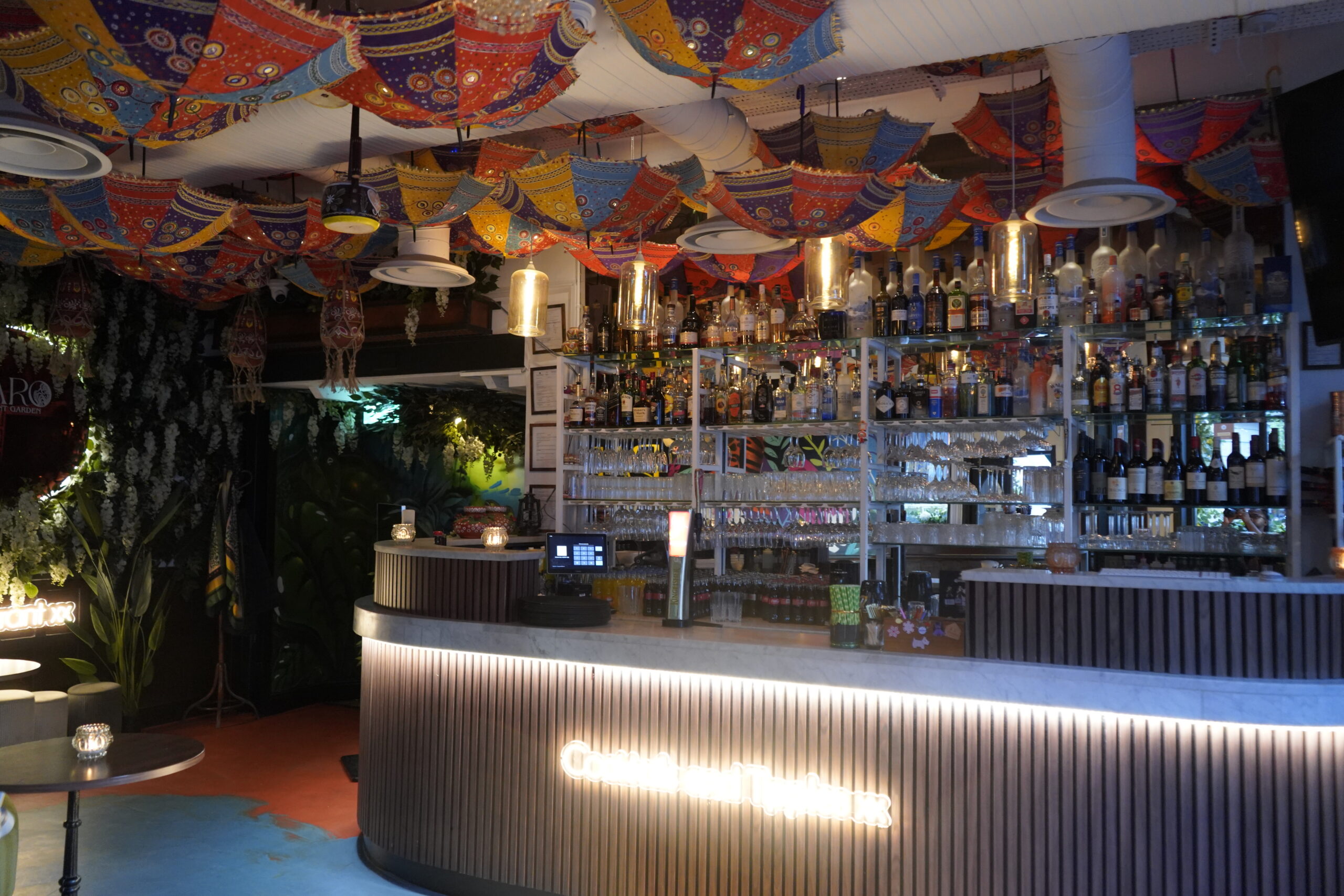

To get a last-minute table at busy restaurants West End side, aim for the gaps in the evening rather than the peak. Turn up just after the pre-theatre crowd leaves (around 7.15pm), keep your group small, check for same-day cancellations in the afternoon, and be ready to sit at whatever table is free.
We see this from the other side of the door every night on Wellington Street. A full booking sheet is rarely as full as it looks. People cancel, groups shrink, and a table for six becomes a table for four. Knowing how a restaurant’s evening actually flows is the most useful trick you can have.
Why do West End restaurants look fully booked when they are not?
Most online booking systems release tables in fixed slots and hold some back. A restaurant may show “no availability” at 7pm simply because the system is protecting a table that is due to turn over, or because the remaining space is for walk-ins.
There are also no-shows. All the restaurants West End theatregoers rely on deal with them, especially on theatre nights when a show gets cancelled or a train is delayed. A table that was booked at 4pm may be empty by 6pm, and the only way to get it is to be the person who asks.
So a “fully booked” screen is a starting point, not a final answer.
When is the best time to try a table?
Timing is everything in theatreland. The evening has a predictable rhythm, and the quiet moments are the ones to aim for.
| Time | What is happening | Your chances |
|---|---|---|
| 5.15pm to 5.45pm | Early pre-theatre diners arriving | Good, many tables still free |
| 6pm to 7pm | Pre-theatre peak | Poor |
| 7.10pm to 7.45pm | Pre-theatre guests leave for their shows | Very good, tables turning |
| 8pm to 9.30pm | Main dinner sitting | Moderate |
| 10pm to 10.45pm | Post-theatre rush | Poor on Friday and Saturday |
That 7.15pm window is the secret most locals know. Theatres start at 7.30pm, so the room empties fast just before curtain-up. If you can stroll in at 7.20pm, you will often get the pick of the room.
What practical steps actually work?
Here is the approach we would use ourselves.
- Check again in the afternoon. Same-day cancellations tend to land between lunch and about 4pm, when people realise their plans have changed.
- Keep the group small. Two people fit almost anywhere. A party of eight needs a restaurant to rearrange its floor plan.
- Be flexible about the table. Accept the counter, the corner or the table by the door. Asking for a specific spot halves your chances.
- Walk in and ask politely. Front-of-house teams often know about a table finishing in 20 minutes and will happily hold it if you are willing to wait nearby.
- Give a time limit. Offering to leave by a set time (say 90 minutes) can free up a table booked for later in the evening.
- Mention dietary needs up front. It lets the team prepare, and it shows you are a guest who will be easy to look after.
None of this is a hack. It is simply working with the way restaurants run, rather than against it.
Once you are seated, how do you order quickly?
A late table often comes with a time window, so ordering efficiently matters. Indian menus can be long, and a quick mental map of the main curries helps.
A short indian curries list of the dishes you will see most often in London:
- Korma: mild and rich, thickened with ground nuts, yoghurt or cream.
- Tikka masala: grilled chicken in a spiced tomato and cream sauce, generally credited to British curry houses, though several restaurants claim to have invented it.
- Jalfrezi: a stir-fry of meat or paneer with peppers, onion and green chilli, drier than most.
- Dhansak: a Parsi dish of meat cooked with lentils, sweet and sour in balance.
- Vindaloo: a Goan dish with Portuguese roots, built on vinegar and garlic (the name comes from “vinha d’alhos”), not a contest of heat.
- Madras: hot, tangy and deep red.
The chicken madras curry is a good example of how the British curry house shaped Indian food abroad. It is named after the city now called Chennai, but it is not a traditional dish you would find on a home table in Tamil Nadu. What it does borrow from South Indian cooking is the trio of dried red chilli, a sour note (tamarind or lemon) and curry leaves, often with mustard seeds popped in hot oil at the start. When it is cooked well, the heat builds slowly and the sourness keeps it bright rather than heavy.
Why does Indian food work so well for last-minute groups?
This is where indian food culture history helps the diner. Indian meals have always been built around sharing. A table orders several dishes, with rice and bread, and everyone eats from the middle. That tradition makes last-minute meals easier: nobody waits for one slow main, and an extra guest can join without the kitchen remaking the order.
Sharing also solves the mixed-diet problem. A group with one vegan, one meat-eater and one gluten-free guest can cover everyone with a dal, a vegetable curry, a meat dish and rice. That is why so many people searching for a vegan restaurant London wide end up at an Indian kitchen. Lentils, chickpeas, aubergine and potato have been the backbone of Indian cooking for centuries, and many classic dishes are vegan by nature once they are cooked in oil rather than ghee.
What makes the best indian curry in our view is not heat or richness. It is depth: onions cooked slowly until sweet and brown, spices toasted until fragrant but not burnt, and enough time for the sauce to come together. In our kitchen, Chef Niaz builds that depth on a house 48-spice mix, and his cooking draws on Kolkata and West Bengal traditions, so you will find mustard oil and panch phoron as often as garam masala.
Which Restaurants West End Side are easiest to walk into?
The cluster of restaurants West End visitors can reach around Covent Garden and the Strand is dense, so if one door says no, another is a minute away. That makes walk-ins less of a gamble than in many parts of London.
Paro sits at 21 Wellington Street, right beside the Lyceum Theatre. We serve pre-theatre and post-theatre guests, are open for lunch Wednesday to Sunday from midday, and our menu is tagged for halal, vegan, vegetarian, gluten-free, dairy-free and nut-free diners. If you are hunting for the best indian restaurant in Covent Garden at short notice, try us in that 7.15pm gap, or ask at the door whether a table is about to come free. The team will always tell you honestly.
Frequently Asked Questions
What is the easiest time to get a walk-in table in the West End?
Just after 7pm on show nights, when pre-theatre diners leave for 7.30pm curtains. Early evening before 5.45pm is also usually quieter.
Is it worth walking in if a restaurant shows no availability online?
Often, yes. Booking systems hold tables back for walk-ins and do not reflect late cancellations or no-shows, so asking at the door can work when the website says no.
Is chicken madras a traditional Indian dish?
Not in the way it is served in British restaurants. It takes its name from Chennai and borrows South Indian flavours like dried chilli, tamarind and curry leaves, but the dish itself developed in UK curry houses.
Can a vegan diner eat well at an Indian restaurant?
Usually very well. Many dals, chickpea dishes and vegetable curries are vegan by nature, and a clearly labelled menu makes it easy to order with confidence.
Can I try Paro without a booking?
You are welcome to ask at the door on Wellington Street, beside the Lyceum Theatre. Availability changes through the evening, and the team will tell you honestly how long a wait might be.
Final Thoughts
Getting a table at short notice among busy restaurants West End is mostly about timing and flexibility. Aim for the gaps, keep the group small, and ask kindly. Restaurants want full tables as much as you want a seat. Next time you find yourself near the Lyceum without a booking, come and ask at Paro. We will always do our best to find you a seat.