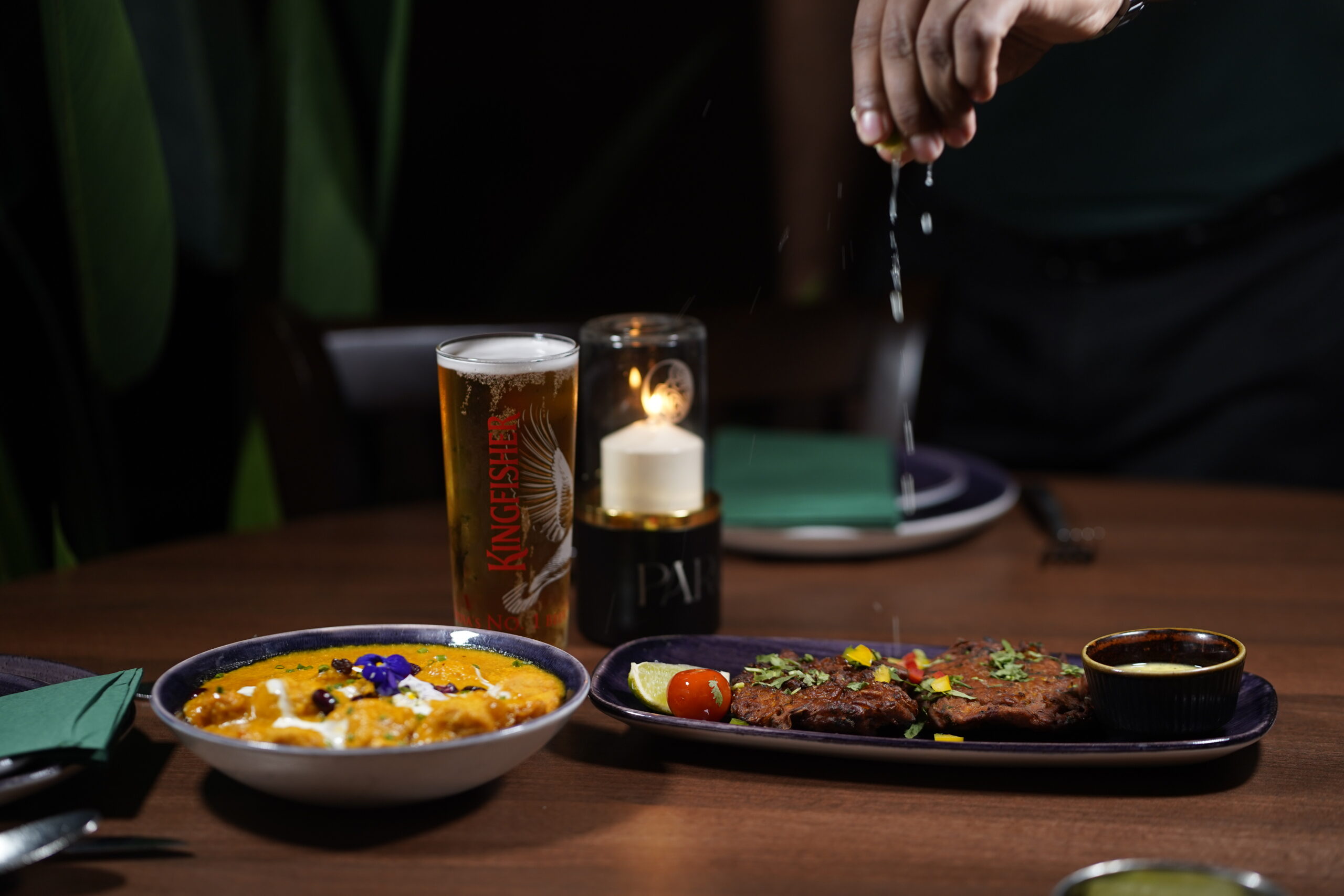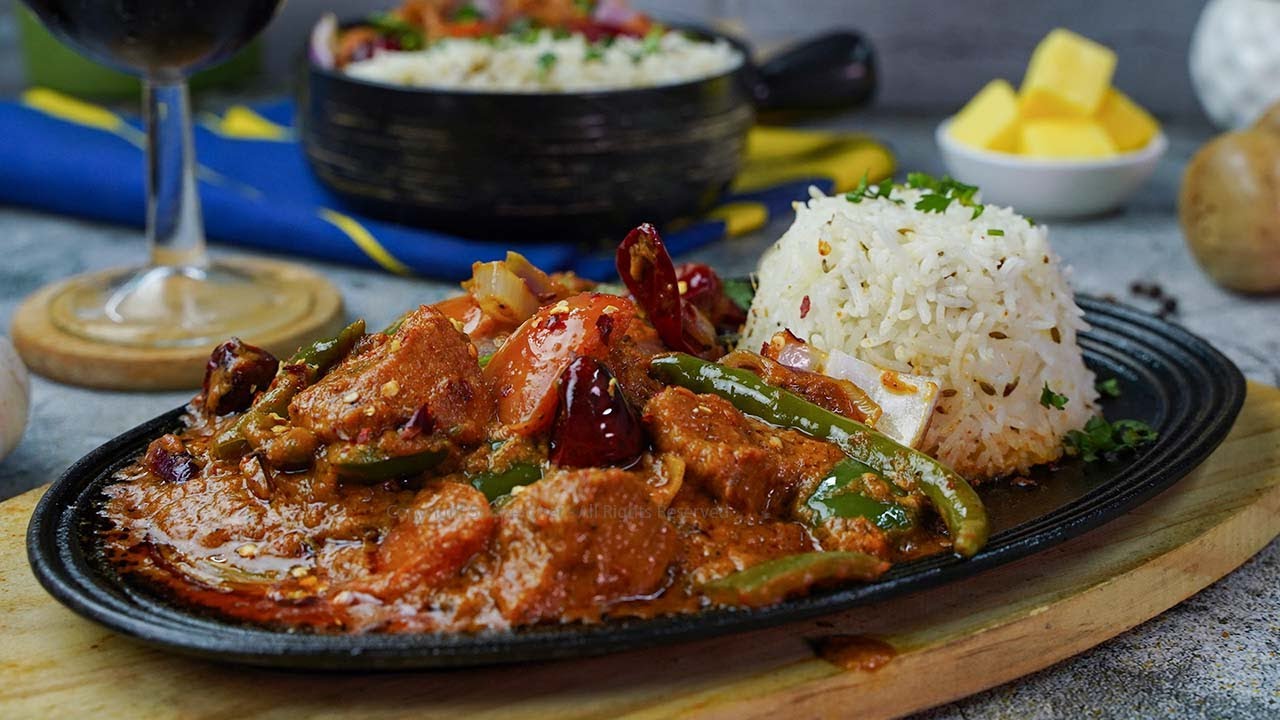
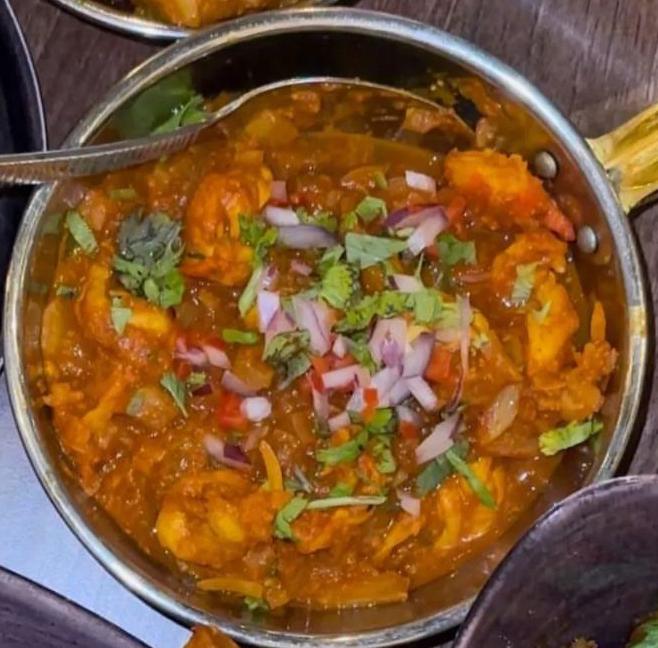
India’s curry heritage is not one cuisine but many, and any honest indian curries list has to acknowledge that a Kolkata fish curry, a Punjabi butter chicken and a Tamil sambar share almost nothing beyond the word “curry” itself. At Paro, beside the Lyceum Theatre at 21 Wellington Street, London WC2E 7DN, Chef Niaz built the kitchen around a secret 48-spice mix sourced from Indian bazaars, rooted in Kolkata and West Bengal tradition but shaped by contemporary technique. That grounding in real regional practice, rather than a generic “Indian” template, gives this guide its authority. Below, we break down the differences between Tamil, Bengali and Punjabi curries, and show how a West End restaurant built on genuine spice knowledge brings those regional distinctions to a London plate.
Understanding the Indian Curries List: Why Region Matters
Curry in India is shorthand for hundreds of distinct gravies, each shaped by local climate, crops and trade routes. Coastal Bengal leans on mustard and freshwater fish; Punjab’s wheat belt favours dairy and slow-cooked meats; Tamil Nadu’s tamarind groves and curry leaf trees define the south. A serious indian curries list should be organised by region first, spice base second, because the oil, souring agent and spice blend change how a dish tastes on the plate. This is the lens Paro’s kitchen uses, treating its 48-spice mix as a flexible foundation rather than a single flavour applied to every dish.
Bengali Curries: Mustard Oil, Panch Phoron and Kolkata Roots
Bengali curries are recognisable by their pungent mustard oil base and panch phoron, a five-spice blend of fenugreek, nigella, cumin, fennel and mustard seeds fried whole at the start of cooking. Fish and mustard paste (shorshe) are Bengali signatures, alongside a preference for gentle sweetness balancing heat. Paro’s own foundations sit here, drawing on Kolkata and West Bengal tradition, which is why layered spice character runs through the menu rather than relying on cream alone for richness.
Punjabi Curries: Dairy-Rich Gravies and Tandoor Traditions
Punjabi cooking, by contrast, is built around the tandoor and dairy. Butter, cream and yoghurt-based marinades soften meat before it meets tomato-heavy, ghee-finished gravies. Butter chicken is the textbook example: tandoor-charred chicken finished in a velvety tomato and cream sauce, a dish that has become shorthand worldwide for Indian food generally, though it is specifically Punjabi in origin. Paro’s tandoor-fired classics, butter chicken and lamb shank all reflect this northern tradition, where slow char and dairy-rich finishing take priority over the sharper, oil-forward profiles found further east and south.
Tamil Curries: Tamarind, Curry Leaves and Southern Spice
Tamil curries move in an entirely different direction, favouring tamarind for sourness, curry leaves and mustard seeds tempered in oil, and a lighter use of dairy. Lentil-based gravies, coconut, and dried red chillies define much of Tamil Nadu’s everyday cooking, producing dishes that are tangier and often less rich than their northern counterparts. Recognising this contrast matters for anyone assembling a genuine indian curries list, since lumping “south Indian” and “north Indian” curries together erases real culinary distinctions that trained chefs, including those working with traditional spice blends like Paro’s 48-spice mix, take seriously.
Indian Restaurant Covent Garden: A Practical Home for Regional Cooking
Finding an Indian restaurant covent garden diners can rely on for authentic regional technique, rather than a flattened menu, is not always straightforward in a tourist-heavy part of London. Paro’s position beside the Lyceum Theatre, walking distance from the Strand, puts it firmly among the area’s most convenient dining options, while its Kolkata-rooted kitchen gives it a genuine claim to regional depth rather than a generic curry house approach. For visitors comparing indian restaurants london has to offer, a kitchen with a named founding chef and a specific spice tradition is a useful marker of credibility.
Covent Garden Brunch, Pre-Theatre Dinners and Everyday Dining
A flexible schedule matters as much as flavour. Paro opens Monday and Tuesday from 3:00pm to 10:30pm, Wednesday to Saturday from 12:00pm to 11:00pm, and Sunday from 12:00pm to 10:30pm, making it workable for a leisurely covent garden brunch on weekends as well as a quick pre-theatre plate before curtain up at the Lyceum. Thursday to Saturday evenings and theatre nights get busiest, so booking online or by phone on +44 20 3722 0951 is recommended, though walk-ins are welcome subject to availability.
Best Indian Thali in London: Tasting Every Region at Once
For diners who want to compare regional curries side by side rather than commit to one dish, a thali format is the traditional answer, offering small portions of several curries, a dal, rice and bread on one plate. Anyone searching for the best indian thali in london is really asking to taste Bengali, Punjabi and southern-style flavours together, which is the comparison this article is built around. Paro’s signature dishes, butter chicken, lamb shank, traditional curries and tandoor-fired classics, cover several regional styles individually, giving diners a practical way to explore the differences above across separate visits or a shared table.
Drinks, Dietary Needs and Group Dining Among Central London’s Restaurants
A well-rounded curry night depends on more than the food. Paro’s Tipples & Cocktails menu includes an Espresso Martini made with Indian coffee beans and the Jab We Met Martini, alongside gin, whisky, vodka, rum, tequila, brandy, cognac and liqueurs, a dedicated lassi and juice section, specialty teas, and red, white, rosé, sparkling wine, champagne, beer and cider. The menu is tagged for halal, vegan, vegetarian, gluten-free, dairy-free and nut-free diners, so regional curry exploration does not exclude anyone at the table. With seating for 90-plus guests, private dining for 10 to 60 people and group bookings up to 120 with priority seating near the largest screen, Paro sits among Restaurants Central London groups turn to for events, and among the wider set of Restaurants West End visitors browse before a show.
Final Thoughts
Any credible indian curries list has to start from the understanding that Tamil, Bengali and Punjabi cooking are separate culinary traditions with distinct oils, souring agents and spice logic, not variations on a single template. Paro’s grounding in Chef Niaz’s 48-spice mix and Kolkata heritage, combined with tandoor-fired northern classics and flexible dietary options, gives diners near the Lyceum Theatre a practical way to taste these differences firsthand. Whether the visit is a weekend brunch, a pre-theatre dinner or a larger group booking, understanding the regional roots behind each curry makes the meal easier to appreciate and order with confidence.
FAQs
What is the main difference between Bengali and Punjabi curries?
Bengali curries typically use mustard oil and the panch phoron five-spice blend with an emphasis on fish, while Punjabi curries rely on tandoor cooking and dairy-rich, tomato-based gravies like butter chicken.
Do Tamil curries use cream or dairy?
Tamil curries generally use less dairy than northern styles, favouring tamarind, curry leaves, coconut and tempered mustard seeds for flavour instead.
What are Paro’s opening hours?
Paro is open Monday and Tuesday from 3:00pm to 10:30pm, Wednesday to Saturday from 12:00pm to 11:00pm, and Sunday from 12:00pm to 10:30pm.
Can large groups book at Paro near the Lyceum Theatre?
Yes, Paro welcomes group bookings up to 120 people with priority seating near the largest screen, alongside private dining for 10 to 60 guests.
Does Paro cater to dietary restrictions?
Yes, the menu is tagged for halal, vegan, vegetarian, gluten-free, dairy-free and nut-free diners, and reservations can be made via +44 20 3722 0951 or info@paroindian.com.