
Finding the best indian food for a health-conscious meal means paying attention to how a kitchen actually cooks, not just what’s on the photos. At Paro, beside the Lyceum Theatre at 21 Wellington Street, the approach starts with Chef Niaz’s foundation: a secret 48-spice mix sourced from Indian bazaars, rooted in Kolkata and West Bengal tradition, shaped with contemporary technique. The menu is clearly tagged for halal, vegan, vegetarian, gluten-free, dairy-free and nut-free diners, making it easier to choose confidently. This guide covers the wellness-relevant angles of the menu, from tandoor cooking to lentil-based dishes, before or after a show in the West End.
Protein-Rich Lentil and Pulse Dishes
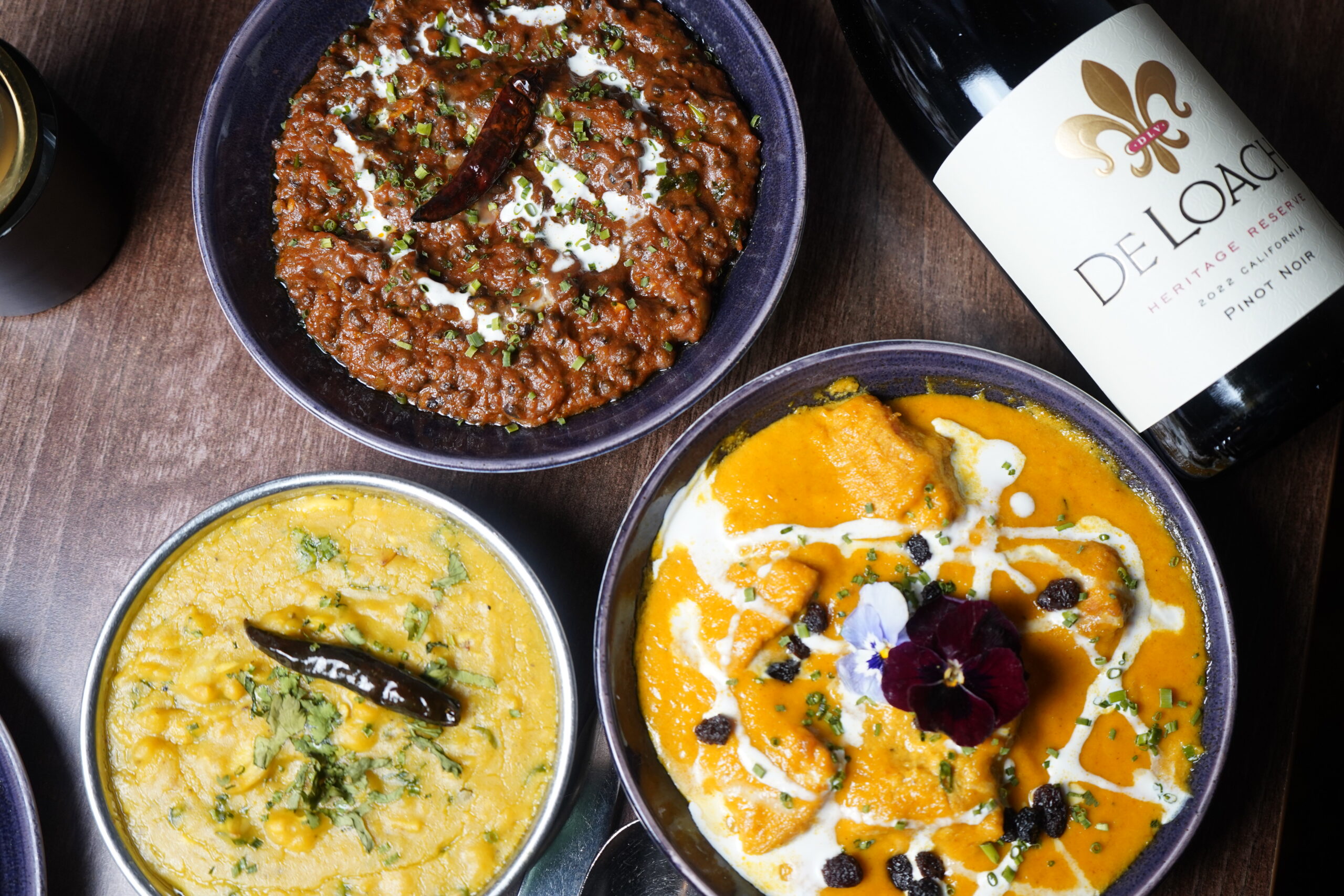
Lentils and pulses are a cornerstone of North and East Indian cooking, generally recognised as being high in protein and fibre, making them a useful component of a varied diet. Dal-based preparations sit alongside Paro’s traditional curries, drawing on the same Kolkata and West Bengal heritage that shapes the kitchen’s signature dishes. For guests seeking plant-based protein without sacrificing flavour, lentil dishes pair well with rice or bread. Because the menu is tagged for vegan and vegetarian diners, it is straightforward to identify which lentil dishes fit a particular way of eating before ordering.
Tandoor Cooking and Lower-Oil Preparation
Tandoor-fired classics are among Paro’s most well-known offerings, and tandoor cooking generally uses less oil than deep frying, since the intense dry heat of the clay oven cooks meat, fish and vegetables directly rather than submerging them in fat. This method also tends to lock in natural juices while giving dishes a distinctive charred flavour. This technique has been used for generations in Indian kitchens, long before modern conversations about cooking methods and oil content became common. Diners exploring the tandoor section are engaging with one of the more traditional, less oil-intensive branches of Indian cuisine.
Vegetable-Forward Vegan and Vegetarian Choices
A well-tagged menu makes it far easier to build a vegetable-forward plate, and Paro’s vegan and vegetarian labelling does exactly that. Guests can select from vegetable-based curries and sides without guessing at hidden animal-derived ingredients. This is particularly useful for those visiting from further afield, including guests exploring Restaurants West End venues before or after a performance at the Lyceum Theatre. Vegetable-forward eating, built around a variety of colours and textures, is a widely recognised approach to a more balanced plate, and Paro’s clear tagging supports diners who want to lean into this style of ordering.
Spice Properties Worth Knowing
The 48-spice mix at the heart of Paro’s kitchen draws on a long tradition of Indian spice use, and some of these spices, such as turmeric, have been studied for anti-inflammatory properties in scientific research. This is a general observation about ongoing study, not a medical claim, and no dish should be treated as a treatment or cure for any condition. Spices like cumin, coriander and cardamom, common in Bengali-influenced cooking, primarily contribute depth of flavour and aroma. Guests interested in the spice mix are welcome to ask staff directly when they visit.
Gluten-Free, Dairy-Free and Nut-Free Options
Dietary restrictions can make eating out stressful, but Paro’s tagging for gluten-free, dairy-free and nut-free options is designed to simplify the process. This is especially relevant for anyone researching an Indian restaurant Holborn diners can rely on for allergen clarity, given the venue’s proximity to Holborn and Covent Garden. That said, tagging is a starting point rather than a substitute for a direct conversation, and dietary needs should always be discussed with the restaurant directly. This is not medical advice, and guests with serious allergies should confirm details with staff before ordering.
Balanced Thali-Style Portions
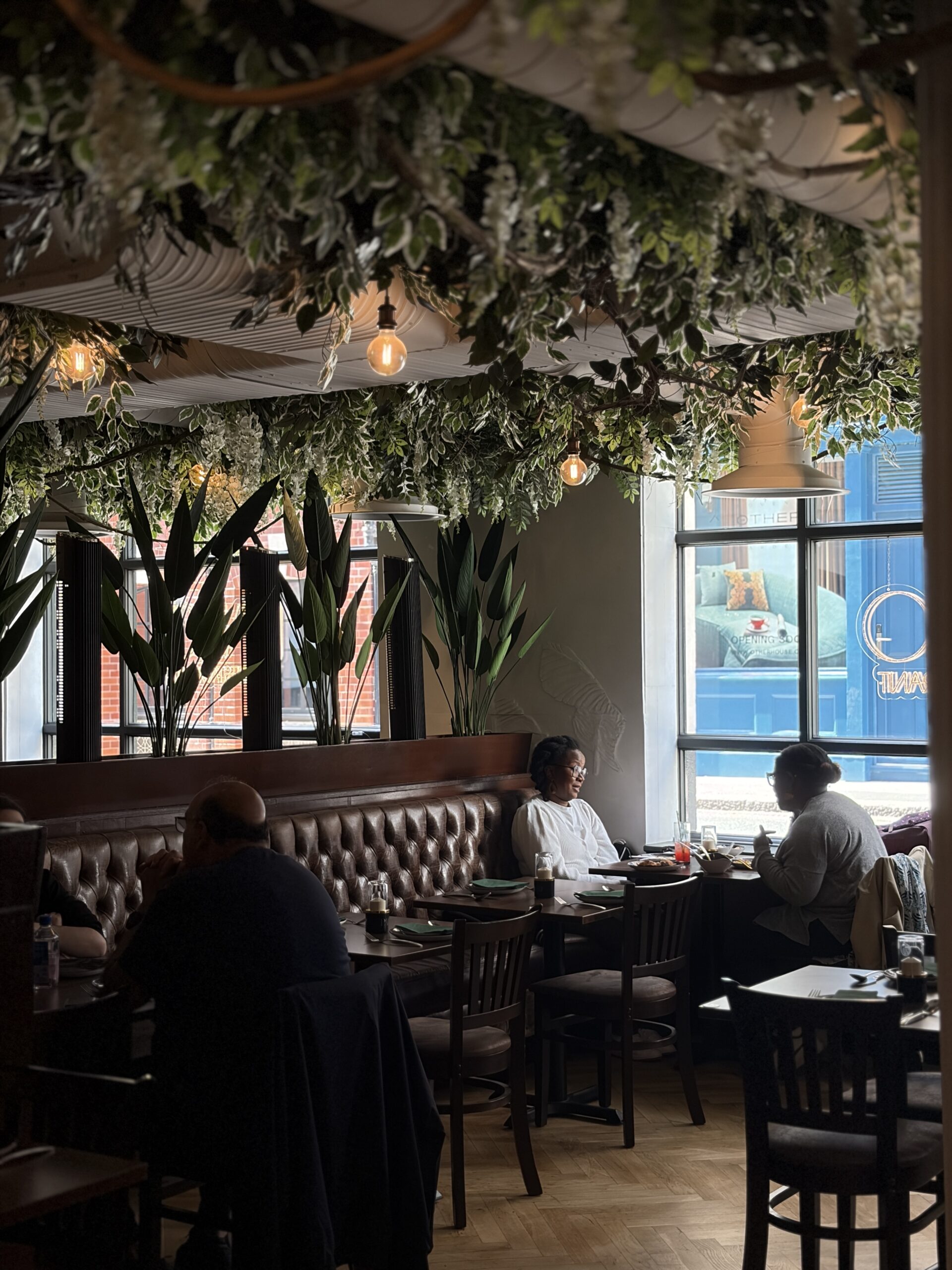
A well-composed Indian meal often follows a thali-inspired logic: a protein or curry, a lentil dish, rice or bread, a vegetable side, and something fresh like a salad or raita, all served together. This structure naturally encourages variety and portion balance rather than one large dish dominating the plate. With seating for more than 90 guests and private dining for parties of 10 to 60, Paro suits groups who want to share several smaller dishes across the table, often a more balanced way to sample a range of flavours than ordering one large individual plate.
Drinks and Wellness-Conscious Choices
Not every wellness consideration is about food alone, and Paro’s drinks list reflects a range of options. The dedicated lassi and juice section offers a non-alcoholic route that pairs naturally with spiced dishes, while the specialty tea section provides a lighter alternative to end a meal. For those who prefer something more indulgent, the Tipples & Cocktails menu includes an Espresso Martini made with Indian coffee beans and the Jab We Met Martini, alongside gin, whisky, vodka, rum, tequila, brandy, cognac and liqueurs, plus red, white, rosé and sparkling wine, champagne, beer and cider. Balancing richer courses with a lassi or tea is a simple way some guests choose to round out their visit.
Group Dining Near Covent Garden and the West End
Paro’s location beside the Lyceum Theatre at 21 Wellington Street places it firmly within reach of Holborn and the wider theatre district, making it a natural stop for anyone seeking an Indian Restaurant Covent Garden visitors can walk to easily before curtain-up. Group bookings of up to 120 people are welcomed, with priority seating near the largest screen for sports or events, suiting gatherings where variety and shared plates matter as much as individual choice. Opening hours run Monday and Tuesday from 3:00pm to 10:30pm, Wednesday to Saturday from 12:00pm to 11:00pm, and Sunday from 12:00pm to 10:30pm.
Final Thoughts
Choosing the best indian food for a balanced, wellness-conscious meal comes down to understanding how dishes are cooked and what they contain, and Paro’s menu tagging, tandoor technique, and lentil-based dishes make that easier to navigate. Rooted in Chef Niaz’s Kolkata and West Bengal heritage and built around a 48-spice mix sourced from Indian bazaars, the kitchen offers halal, vegan, vegetarian, gluten-free, dairy-free and nut-free options across signature dishes like butter chicken, lamb shank, and tandoor-fired classics. None of this is medical advice, and anyone with specific dietary needs should speak directly with the restaurant when booking. Booking ahead is recommended, particularly Thursday to Saturday and on theatre evenings, by calling +44 20 3722 0951 or emailing info@paroindian.com, though walk-ins are welcomed subject to availability.
FAQs
Is Paro’s menu suitable for people with food allergies?
The menu is tagged for halal, vegan, vegetarian, gluten-free, dairy-free and nut-free diners, but guests with specific allergies should confirm details directly with staff before ordering.
Does tandoor cooking use less oil than fried dishes?
Tandoor cooking generally uses less oil than deep frying because food is cooked directly in a clay oven’s dry heat rather than submerged in fat, though exact preparation can vary by dish.
Are lentil dishes a good protein option at Paro?
Yes, lentils and pulses are generally recognised as being high in protein and fibre, and Paro’s dal-based dishes draw on traditional Kolkata and West Bengal cooking methods.
Can large groups book for events or sports viewing?
Group bookings of up to 120 people are welcomed, with priority seating near the largest screen, making it suitable for sports and event gatherings alongside standard dining.
What are Paro’s opening hours?
Paro is open Monday and Tuesday from 3:00pm to 10:30pm, Wednesday to Saturday from 12:00pm to 11:00pm, and Sunday from 12:00pm to 10:30pm.