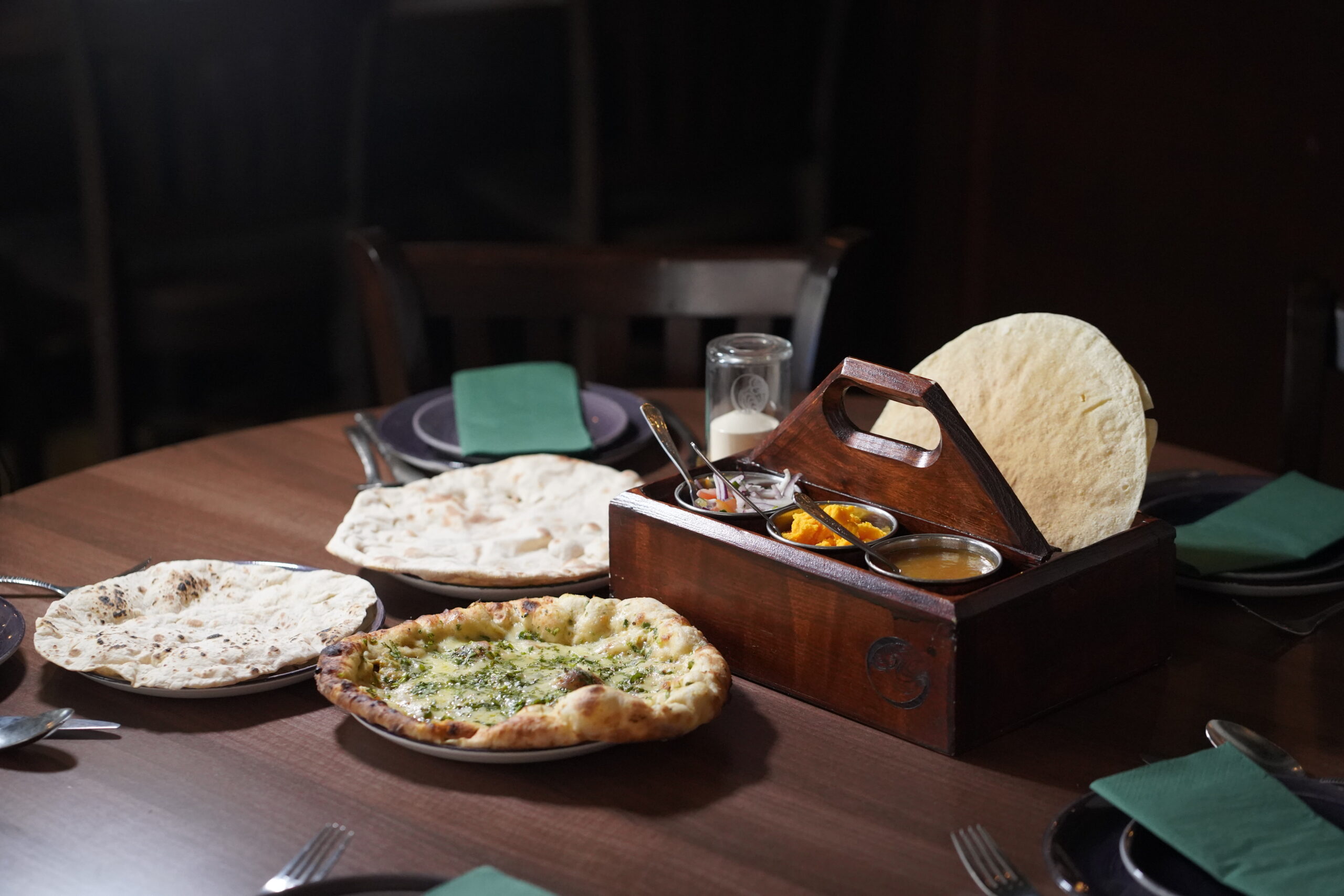
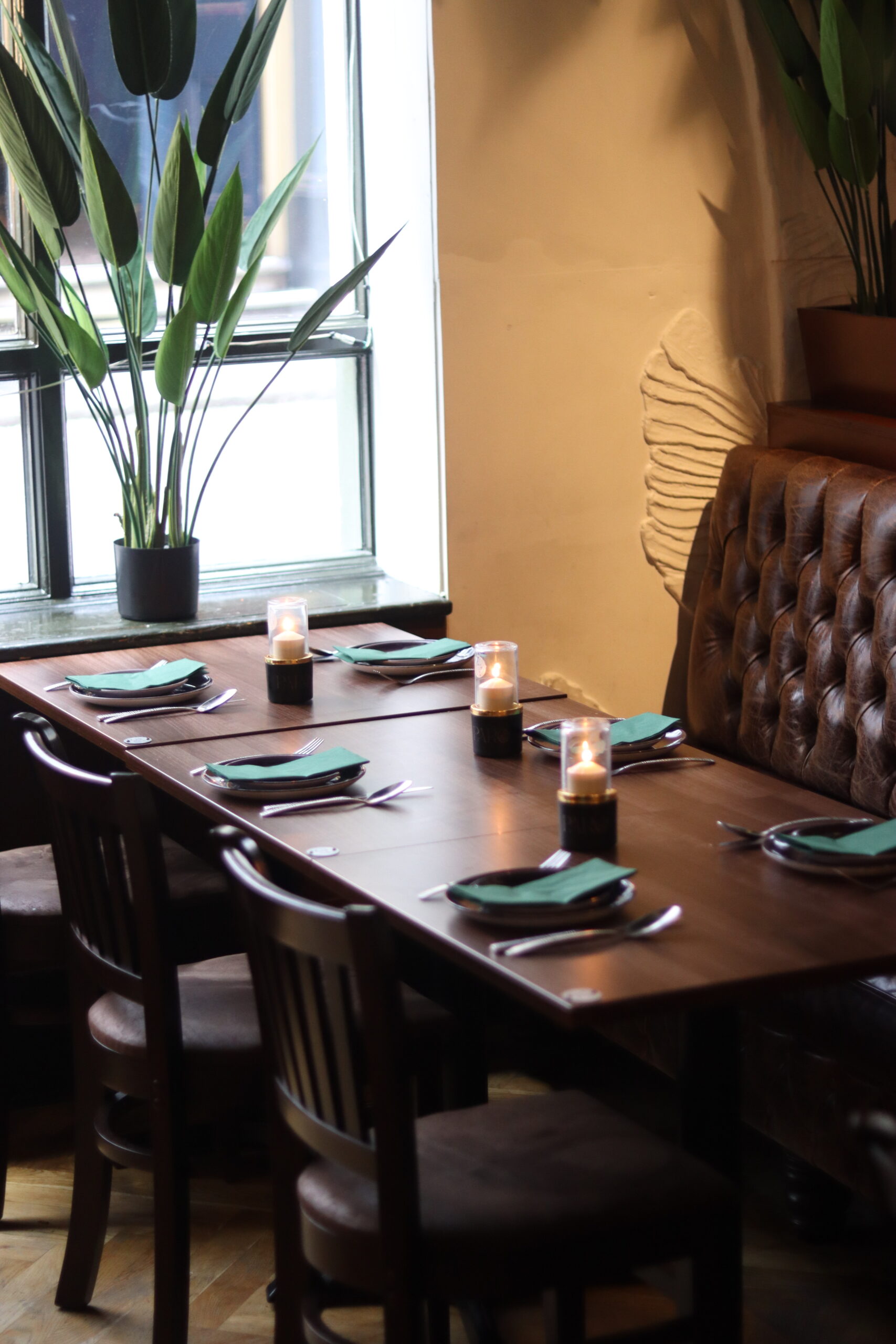
The best West End restaurants pre theatre get three things right: they serve you properly within a fixed window, they cook food that leaves you alert rather than sleepy, and they never make you watch the clock. Good cooking matters, but timing is the real test. A great meal that makes you miss curtain-up is a failed meal.
We cook a few steps from the Lyceum Theatre on Wellington Street, so we have spent a lot of evenings watching the room fill at half past five and empty at ten past seven. What follows is what we have learned from the pass, and what we think you should look for when you book.
Why is pre-theatre dining harder than ordinary dinner service?
A normal dinner service is elastic. Guests linger over a second drink, the kitchen paces courses to the table, and nobody minds if mains arrive twelve minutes after starters instead of eight. Pre-theatre removes all of that slack.
Most West End shows start at 7.30pm, and the sensible guest wants to be leaving the table by about 7.10pm. If you sit down at 5.45pm, that gives the kitchen roughly 80 minutes to greet, order, cook two or three courses, clear and settle the bill. Every restaurant west end faces the same squeeze at the same time.
What separates the good ones is preparation. In our kitchen, the slow work happens hours before service: onions browned for gravies, lentils simmered, marinades on meat since the morning. When a pre-theatre ticket arrives, the cooks are finishing, not starting. A place that has to begin a dish from scratch at 6pm will run late, however talented the chef.
What should a good pre-theatre menu actually look like?
A short one. Long menus slow ordering, and indecision eats ten minutes you do not have. A strong pre-theatre offer gives you a focused choice that the kitchen can execute fast without cutting corners.
Here is how we think about it:
| What to look for | Why it matters before a show |
|---|---|
| A short, set or semi-set menu | Faster ordering, faster firing in the kitchen |
| Dishes finished to order on high heat | Tandoor and tawa cooking take minutes, not half an hour |
| Lighter sauces and grilled options | You stay comfortable through a two-and-a-half-hour show |
| Clear dietary labelling | No back-and-forth with staff about allergens |
| Bill brought without asking | Saves the five minutes that matter most |
A chicken shashlik tandoori (chicken pieces marinated in yoghurt and spice, threaded with peppers and onion and cooked in the clay oven) is ready in around 12 to 15 minutes in a tandoor running at 400°C or more. The yoghurt in the marinade does real work: its mild lactic acid loosens the protein on the surface of the chicken, so the meat stays tender even after a short, fierce cook. The peppers and onion char at the edges and sweeten. You get big flavour, very little heaviness, and it reaches the table quickly.
How does the food affect how you enjoy the show?
A rich, cream-heavy meal eaten fast, followed by a warm auditorium, is a recipe for nodding off in the second act.
People sometimes call Indian food the healthiest cuisine in the world. We would not make that sweeping claim, because a ghee-laden korma is not light by anyone’s measure. But the claim has a grain of truth. A huge part of indian cuisine food is built on lentils, vegetables, grilled meats and spices rather than heavy sauces, and many of those spices (cumin, ginger, fennel, ajwain) have been used for generations precisely because they sit easily on the stomach.
Before a show, we steer guests towards:
- tandoori and grilled dishes over cream-based curries
- a dal and a vegetable dish rather than two rich mains
- smaller portions of rice, since a large plate of biryani is a lot to carry into a theatre seat
- a lassi or water rather than a third glass of wine
Our kitchen builds its cooking on a house 48-spice mix, used in different proportions across the menu. That depth means a dish can taste complete without being drowned in fat. Flavour comes from properly toasted spices and patient browning, not from extra cream.
What role does location play for restaurants pre theatre?
Walking time is part of the meal. A table eight minutes from your theatre is very different from one 25 minutes away, especially in Covent Garden London, where pavements around the Piazza are crowded in the early evening.
When choosing restaurants pre theatre, map the walk before you book. From Wellington Street, the Lyceum is next door, the Fortune Theatre and Royal Opera House are a short walk away, and the Strand theatres are close. That closeness lets you eat later and leave later, which is a real luxury on a show night.
Location also affects the kitchen. A place surrounded by theatres knows the rhythm of the street. Staff at a restaurant near the Lyceum will know when the doors open and when the interval falls, and they will plan around it without being asked.
How do the best kitchens handle dietary needs under time pressure?
Badly handled dietary requests are one of the biggest causes of delay. If a server has to walk back to the kitchen to check whether a sauce contains nuts, you have lost five minutes and gained some anxiety.
The answer is clear labelling from the start. Our menu is tagged for halal, vegan, vegetarian, gluten-free, dairy-free and nut-free diners, which means most questions are answered before anyone has to ask. For a group of six with three different requirements, that saves real time.
Indian cooking adapts well here. Many dals, chana dishes and vegetable curries are naturally gluten-free and can be made dairy-free by cooking in oil rather than ghee. Gram flour (made from chickpeas) gives batters and bhajis their crunch without wheat. A kitchen that understands this adapts quickly.
What makes Indian food a strong choice before a show?
Plenty of good kitchens serve the West End, but Indian cooking has structural advantages for a timed meal.
- Sharing plates. A table can order four or five dishes to share, so nobody waits for one slow main.
- High-heat cooking. Tandoor, tawa and karahi dishes are finished in minutes.
- Prepared bases. Gravies and dals are made in advance, so they improve rather than suffer from sitting.
- Range of weight. You can eat as lightly or as richly as you like.
If you are searching for indian covent garden options before a performance, look for a kitchen with a clear regional point of view rather than a generic list of every curry going. Chef Niaz leads our kitchen, and his cooking is rooted in Kolkata and West Bengal traditions: mustard oil, panch phoron (the Bengali five-spice blend of cumin, fennel, fenugreek, nigella and mustard seed), and a lighter hand with sauces than many British curry houses. That regional grounding is a sign the people behind the stove know exactly what they are cooking.
We would love you to judge whether we are the best indian restaurant covent garden has to offer before a show, and the honest test is simple. Did you eat well, did you feel good, and were you in your seat on time?
Frequently Asked Questions
How early should I book a pre-theatre table in the West End?
Aim to sit down 90 minutes before curtain-up, so around 6pm for a 7.30pm show. That gives time for two courses without rushing. Tell the team your show time when you arrive so they can pace the meal.
Is Indian food too heavy to eat before a show?
It does not have to be. Tandoori dishes, dals and vegetable curries are relatively light, especially compared with cream-based sauces. Ordering a few dishes to share keeps portions sensible.
What is chicken shashlik tandoori?
It is chicken marinated in yoghurt and spices, threaded onto skewers with peppers and onion, and cooked in a very hot clay oven. The quick, high-heat cook keeps the chicken juicy and lightly charred, which makes it a good pre-theatre choice.
Can restaurants pre theatre cater for vegan or gluten-free diners?
The better ones can, quickly, if their menus are clearly labelled. Indian cooking suits this well, since many lentil and vegetable dishes are naturally free from gluten and can be cooked without dairy.
How close is Paro to the West End theatres?
Paro is at 21 Wellington Street, right beside the Lyceum Theatre. The Fortune Theatre, Royal Opera House and the Strand are all a short walk away.
Final Thoughts
High-quality restaurants pre theatre respect three clocks: the kitchen’s, the theatre’s and yours. The food should be precise, the service paced to your show, and the meal light enough to leave you awake for the final scene. We cook beside the Lyceum because we enjoy that challenge every evening. If you have tickets for a show nearby, come and eat with us at Paro first, tell us your curtain time, and we will make sure you arrive with time to spare.