Indian spices are the foundation of every great curry, and understanding how they work is the difference between a forgettable meal and one that lingers in memory. At Paro, beside the Lyceum Theatre at 21 Wellington Street, Chef Niaz built the kitchen around a secret 48-spice mix sourced from Indian bazaars, rooted in Kolkata and West Bengal tradition while embracing contemporary technique. This article explains the history behind the spices that define Indian cooking, and how that knowledge comes alive on the plate in the West End.
The Building Blocks: Cumin, Coriander and Turmeric
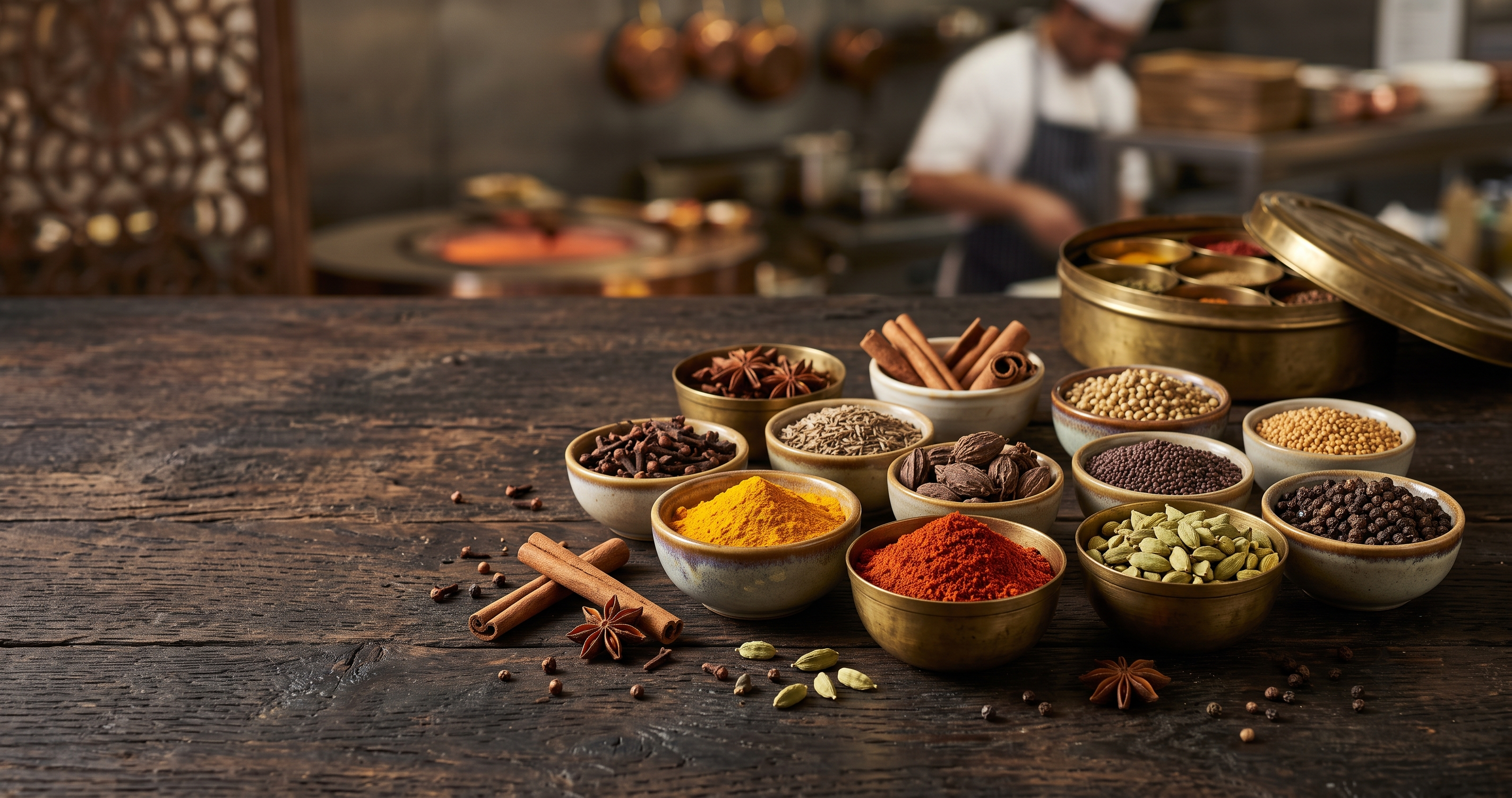
Every regional Indian kitchen starts with a handful of essential spices, and cumin, coriander and turmeric form the backbone of most dishes. Cumin seeds, toasted or tempered in hot oil, provide an earthy depth that anchors a dish. Coriander seed, ground fresh, adds a citrusy note that balances heavier spices. Turmeric contributes colour, mild bitterness, and well-documented anti-inflammatory properties that have made it a household staple for centuries. Together, these three form a base layer onto which chefs like those at Paro build more complex profiles, layering in the rest of their 48-spice mix for genuine depth rather than one-note heat.
Cardamom, Mustard Seed and the Art of Tempering
Beyond the base spices, cardamom and mustard seed introduce aromatic complexity that separates home cooking from professional craft. Green cardamom lends a sweet, floral perfume to rice and milk-based desserts, while black cardamom offers a smokier character suited to slow-cooked meats. Mustard seed, popped in hot oil, releases a nutty pungency essential to Bengali and eastern Indian cooking, a tradition Chef Niaz draws on given the Kolkata roots of Paro’s kitchen. This technique, tempering or tadka, blooms raw spices in fat to unlock flavour compounds otherwise left dormant, a small step with an outsized impact on why traditional curries taste richer than quick approximations.
Garam Masala and Regional Variation Across India
No discussion of spice blending is complete without garam masala, the warming mix of cinnamon, cloves, black pepper and cardamom added toward the end of cooking to finish rather than cook within a dish. Garam masala is not a single fixed recipe; it varies by region, family and generation, with Punjabi blends leaning on cinnamon and cloves while Bengali blends often suit fish and vegetables instead. This variation is why Paro’s 48-spice mix is distinct rather than generic, reflecting a specific culinary lineage and giving the restaurant’s butter chicken and lamb shank their signature character.
Indian Cuisine History and the Ancient Spice Trade
Understanding indian cuisine history requires looking beyond the kitchen to the trade routes that shaped how spices moved across continents. Black pepper, cardamom and cinnamon were prized commodities along ancient maritime and overland routes connecting India to the Middle East, East Africa and Europe. Later, chillies arrived from the Americas via Portuguese traders, permanently changing Indian food and adding the heat now associated with many classic dishes. This long exchange means Indian cuisine has never been static, absorbing influences for centuries while retaining a distinct regional identity, exactly the balance Paro strikes by pairing Kolkata technique with contemporary presentation.
From Bazaar to Bengal: Sourcing the 48-Spice Mix
The quality of any curry begins long before it reaches the pan, and sourcing is where Paro’s approach stands apart. Chef Niaz’s 48-spice mix is sourced from Indian bazaars rather than mass-produced blends, ensuring freshness that pre-ground supermarket mixes cannot replicate. This philosophy connects to Bengali culinary tradition, where spice merchants have supplied households and restaurants for generations, allowing tandoor-fired classics and traditional curries to carry genuine depth rather than relying on chilli heat alone.
A Madras Curry Recipe and the Logic of Southern Spicing
While Paro’s kitchen is rooted in Kolkata tradition, understanding a madras curry recipe illustrates how differently spices behave across regions. A traditional Madras-style curry relies on dried red chillies, curry leaves, black pepper and a generous hand with turmeric, producing a fierier, tangier profile than the milder dishes typical of eastern India. Comparing these approaches shows how varied Indian cooking truly is: the same core spice cabinet produces entirely different results depending on ratios and technique, part of what makes exploring a genuinely varied Indian menu, such as Paro’s, richer than one fixed idea of “curry.”
Pairing Spiced Dishes with Paro’s Drinks Menu
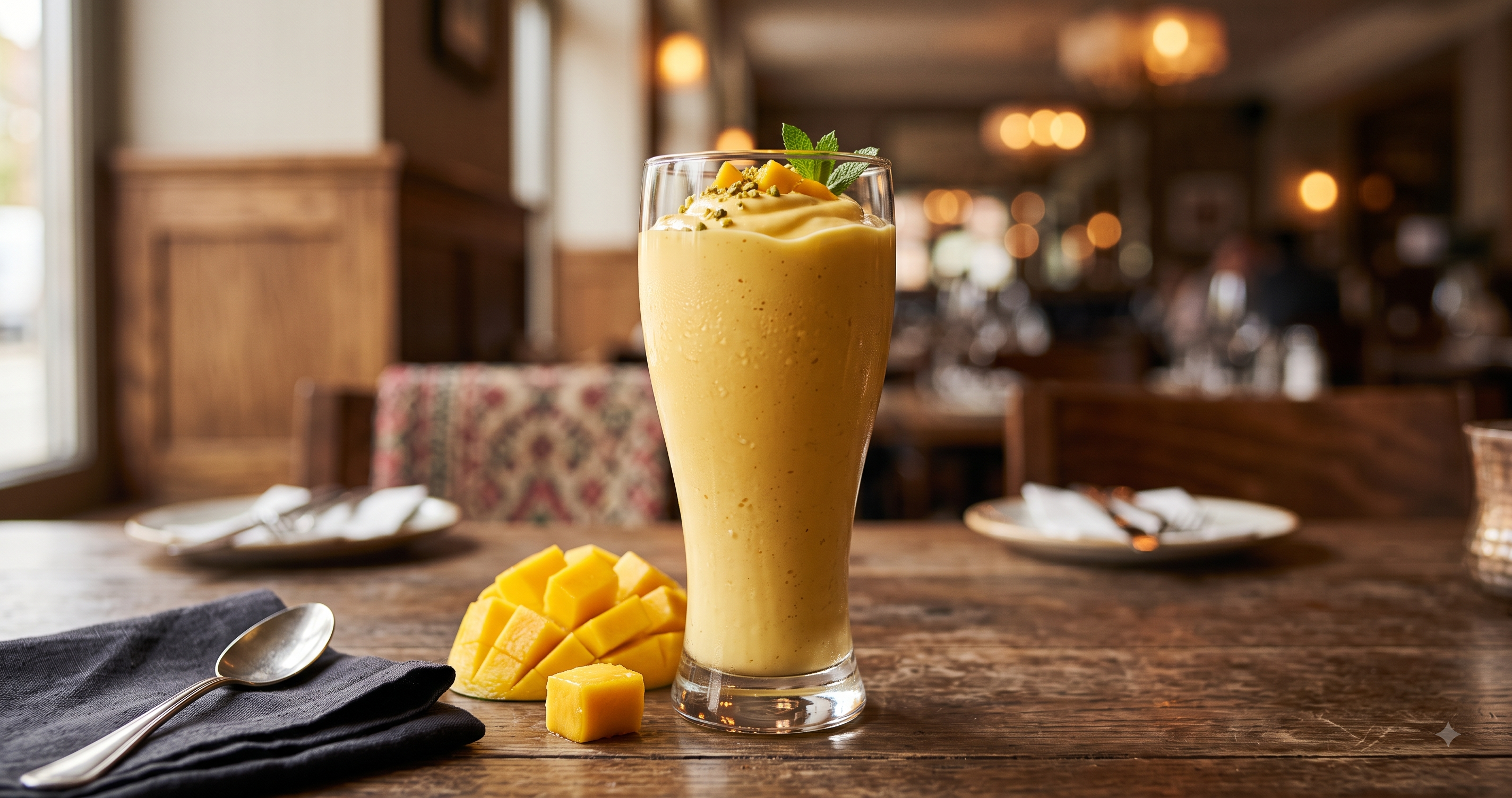
Spice-forward food deserves thoughtful pairing, and Paro’s drinks selection is built with this in mind. The Tipples & Cocktails menu includes an Espresso Martini made with Indian coffee beans, a fitting counterpoint to rich, spiced mains, alongside the Jab We Met Martini and a full range of gin, whisky, vodka, rum, tequila, brandy, cognac and liqueurs. A lassi and juice section offers cooling accompaniments to balance heat, while a specialty tea section suits a slower pre-theatre pace. Wine drinkers will find red, white, rosé, sparkling and champagne, alongside beer and cider, each suited to the spice level of the meal.
Onion Bhajis and Everyday Spice Application
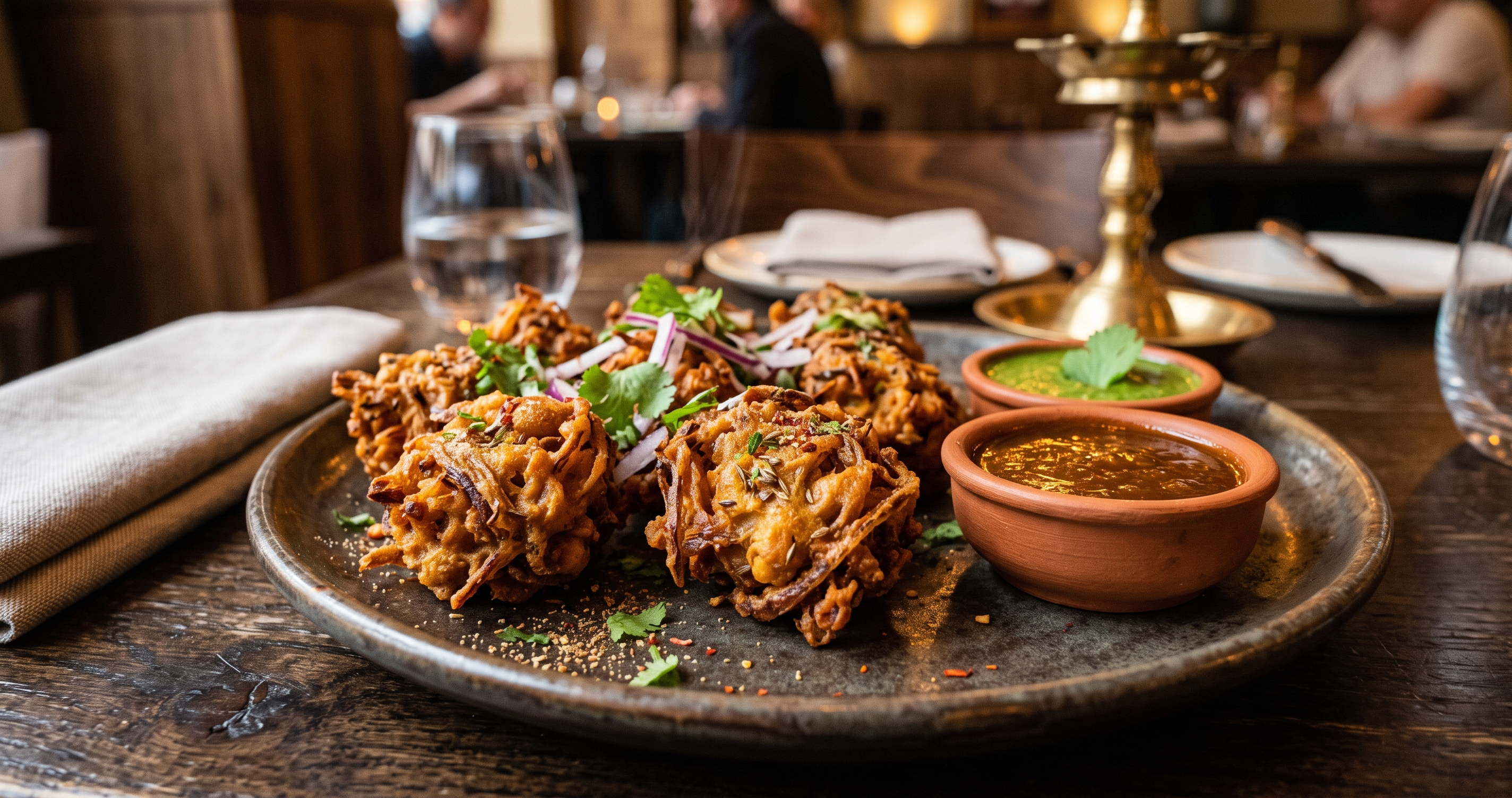
Not every lesson in spice comes from an elaborate curry; smaller plates teach the same principles. Onion bhajis, for instance, rely on a simple gram flour batter seasoned with cumin, coriander and a touch of chilli, then deep-fried until crisp. The dish shows how even a humble starter benefits from balanced seasoning rather than excess heat, remaining a familiar entry point before diners move on to richer tandoor-fired classics or traditional curries later in the meal.
Dining Considerations for Covent Garden Visitors
Paro’s position beside the Lyceum Theatre makes it a natural choice for anyone searching for the best indian food covent garden has to offer, particularly before or after a show. The restaurant seats over 90 guests, with private dining for parties of 10 to 60 and group bookings welcomed up to 120, including priority seating near the largest screen for sports or events. Hours run Monday and Tuesday, 3:00pm-10:30pm; Wednesday to Saturday, 12:00pm-11:00pm; Sunday, 12:00pm-10:30pm. The menu is tagged for halal, vegan, vegetarian, gluten-free, dairy-free and nut-free diners. As a restaurant covent garden visitors reach on foot, and a short walk from the Strand as a restaurant strand diners often discover, booking ahead is recommended, especially Thursday to Saturday and theatre evenings, though walk-ins are welcome subject to availability. Reservations: +44 20 3722 0951 or info@paroindian.com.
Final Thoughts
Indian spices are far more than seasoning; they represent centuries of trade, regional identity and technique passed down through generations of cooks. At Paro, that history lives in Chef Niaz’s 48-spice mix, sourced from Indian bazaars and grounded in Kolkata tradition, applied to signature dishes like butter chicken, lamb shank and tandoor-fired classics. Whether catching a show at the Lyceum Theatre or exploring the West End’s dining scene, understanding these spices adds real depth to a meal built on authentic craft rather than shortcuts.
FAQs
What makes Paro’s spice blend different from a standard curry mix?
It uses a secret 48-spice mix sourced from Indian bazaars, rooted in Kolkata and West Bengal tradition, rather than a generic pre-ground blend.
Does Paro cater to dietary restrictions?
Yes, the menu is tagged for halal, vegan, vegetarian, gluten-free, dairy-free and nut-free diners.
Can large groups book a table at Paro?
Group bookings up to 120 people are welcomed with priority seating near the largest screen, and private dining is available for 10 to 60 guests.
What are Paro’s opening hours?
Monday and Tuesday, 3:00pm-10:30pm; Wednesday to Saturday, 12:00pm-11:00pm; Sunday, 12:00pm-10:30pm.
Is booking necessary before visiting Paro?
Booking is recommended, particularly Thursday to Saturday and theatre evenings, though walk-ins are welcome subject to availability.