If you love authentic Indian cuisine, you have likely marvelled at the rich, deep red colour of a classic curry. That unmistakable, mouth-watering hue rarely comes from artificial food colouring. Instead, it originates from a very specific and highly prized natural ingredient. The famous Kashmiri Chilli is the secret weapon used by expert chefs to deliver incredible visual impact without overwhelming heat. Whether you are cooking traditional recipes at home or exploring the bustling UK dining scene, understanding this unique spice will completely elevate your appreciation of authentic flavours.
What Makes This Spice So Special?
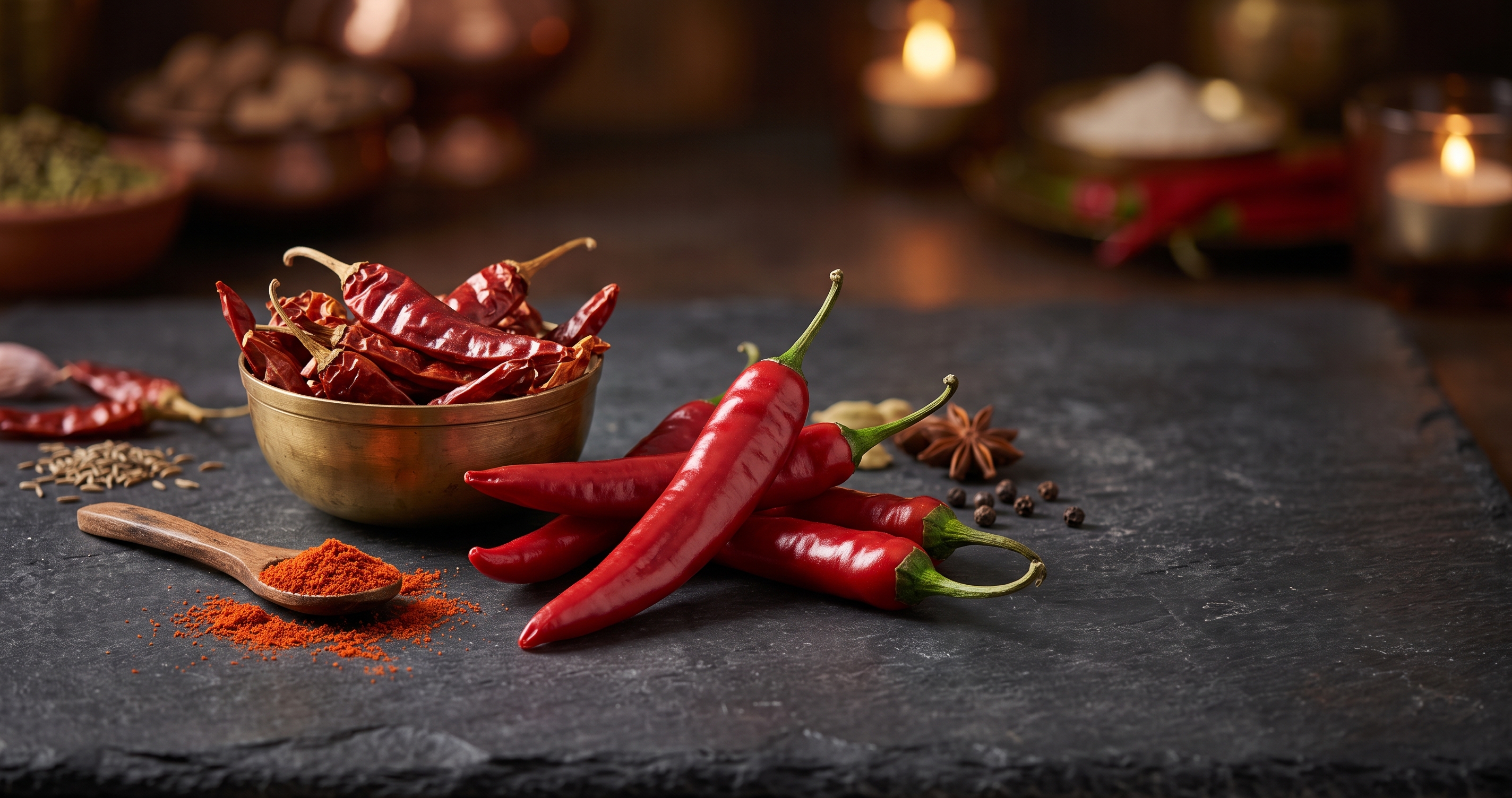
To understand this brilliant red spice, we must look at its unique characteristics. It is a long, slender, and deeply wrinkled pepper when dried. Farmers grow it primarily in the temperate northern regions of India, where it holds a highly prestigious place in local culinary traditions.
Unlike standard red chillies that pack a fierce, fiery punch, this particular variety is wonderfully mild. It measures a modest 1,000 to 2,000 Scoville Heat Units (SHU). Therefore, it provides a gentle, warming glow rather than an aggressive burn. This mild nature allows chefs to use it generously, creating thick, flavourful curry bases that appeal to a wide variety of palates.
A Complex Flavour Profile
Beyond the striking crimson colour, this ingredient offers an incredibly complex flavour profile. When you taste dishes prepared with it, you can easily detect subtle fruity notes. It also carries a slightly smoky finish that adds wonderful depth to slow-cooked meals. This impressive versatility makes it the perfect foundation for rich marinades, robust spice blends, and aromatic sauces.
A Glimpse into Traditional Spice Origins
To fully appreciate this vibrant ingredient, we must explore fascinating indian food history. Interestingly, chillies are not actually native to India. Portuguese traders first introduced them to the subcontinent during the 16th century. Before this historical trade exchange, cooks relied almost entirely on black pepper and long pepper to provide heat in regional dishes.
However, Indian cooks quickly adopted the new ingredient. They began cultivating various strains to suit their own regional tastes and climates. Over centuries, these specific farming practices helped shape modern indian food history, turning this mild red pepper into an absolute staple for chefs across the globe.
The Harvesting and Drying Process
The journey from farm to plate requires incredible patience. Farmers harvest the peppers by hand only when they reach their peak crimson colour. Following the harvest, they lay the chillies out in the sun to dry naturally. This slow drying process naturally concentrates the essential oils and deepens the smoky fruitiness of the spice. The resulting dried peppers are highly sought after by premium kitchens around the world.
Whole vs Powder: Culinary Techniques
Professional kitchens utilise this wonderful spice in two distinct forms. Both methods extract different elements of its flavour and colour.
Chefs frequently temper whole dried chillies in screaming hot oil or clarified butter (ghee). This traditional technique, known as a tadka, quickly releases the essential oils. It infuses the cooking fat with a brilliant red tint and a deeply roasted aroma.
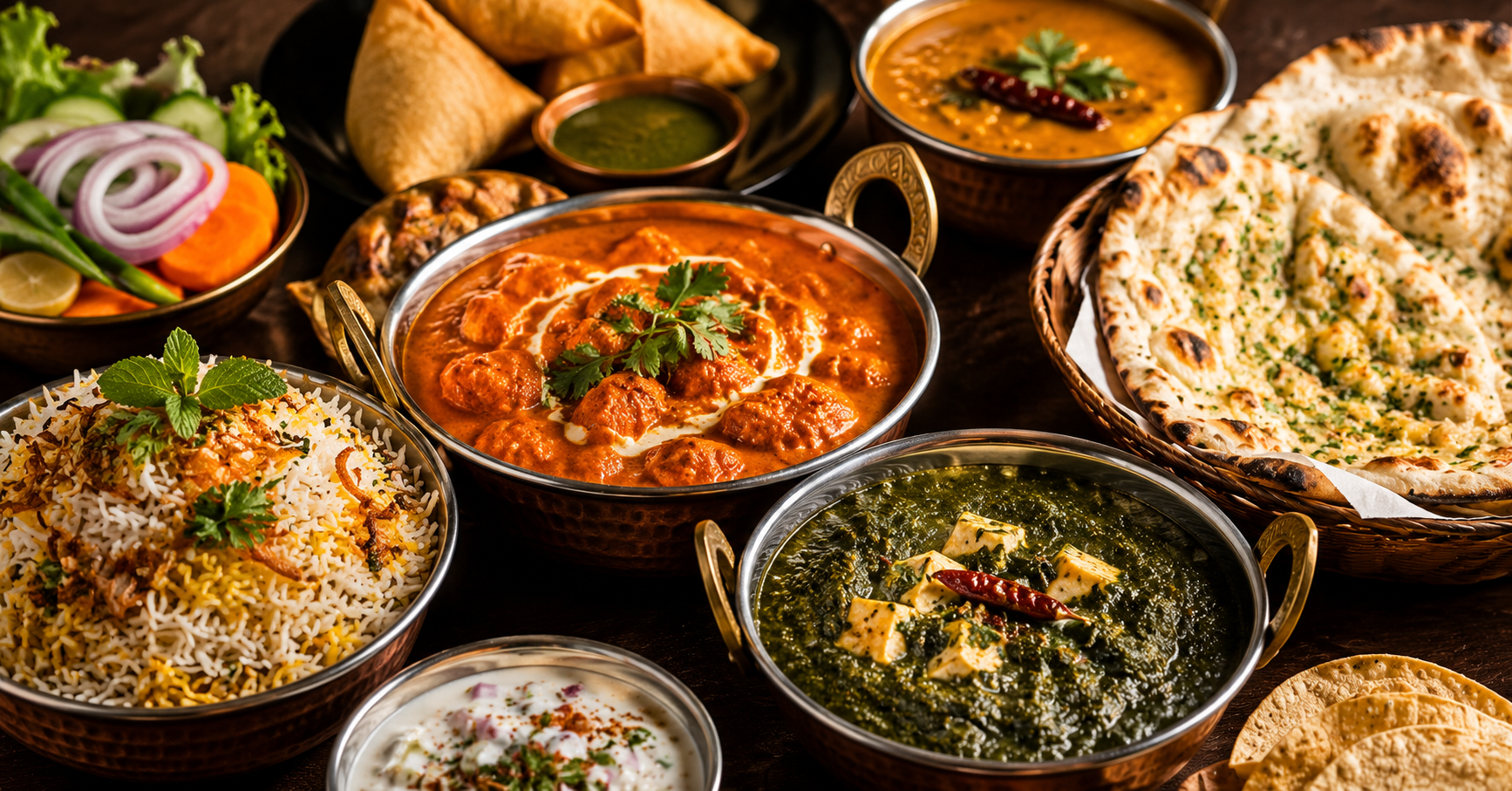
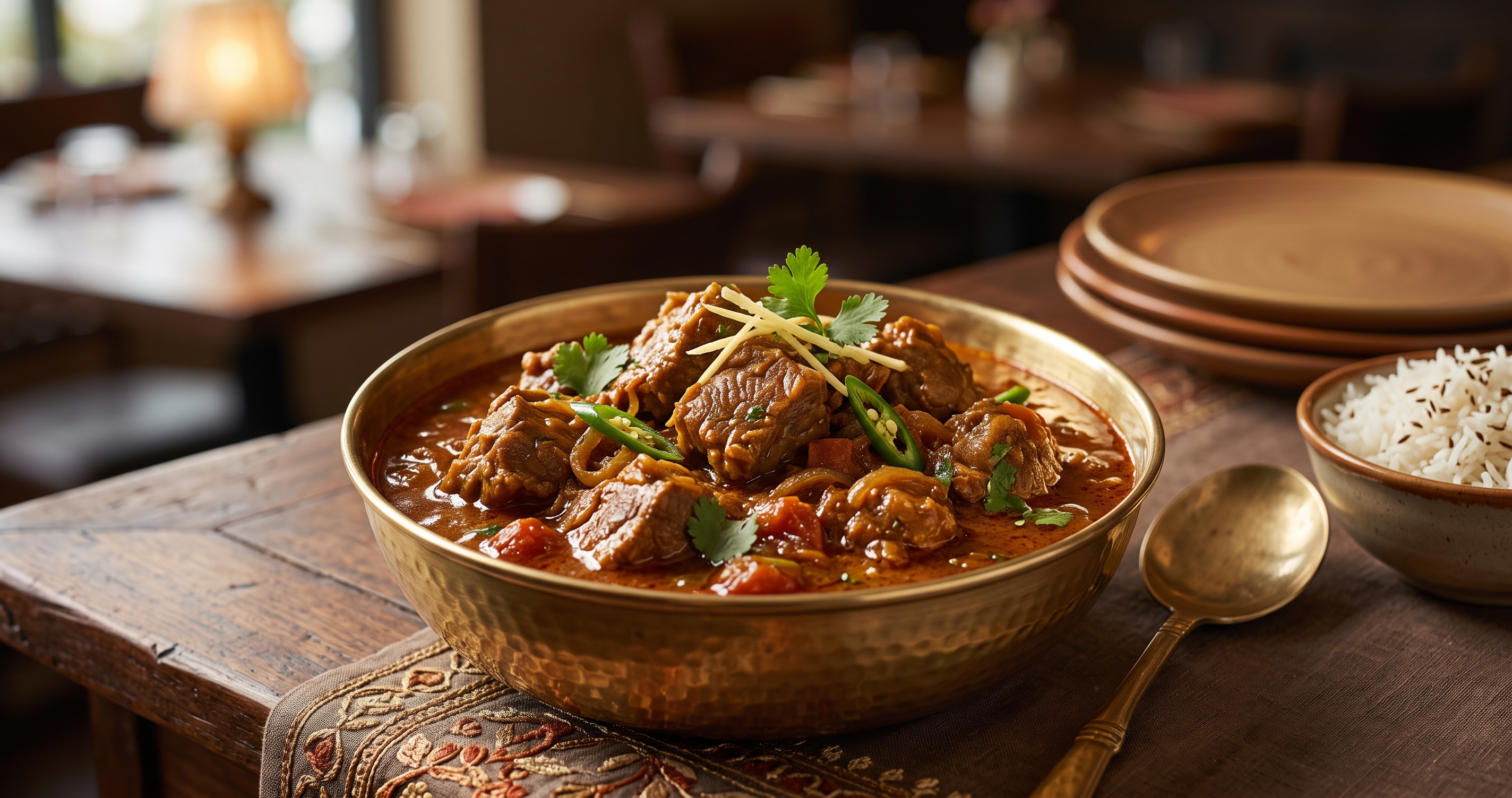
Alternatively, cooks add the finely ground powder directly to marinades and simmering curry bases. Classic Tandoori dishes owe their iconic, appetising red appearance to generous amounts of this specific powder. You will also find it shining in comforting classics like Rogan Josh, rich Butter Chicken, and slow-simmered lentil dals.
Discovering Authentic Tastes in London
London boasts a highly diverse and incredibly competitive culinary landscape. For food lovers, finding an authentic restaurant covent garden locals recommend can completely transform an evening out. At Paro Indian, our expert chefs understand the delicate, precise balance of flavour, heat, and presentation.
We source premium, authentic spices to ensure every single dish tastes exactly as it should. When choosing a restaurant covent garden visitors trust for pre-theatre dining or weekend celebrations, you deserve ingredients that tell a genuine story. We proudly let the natural spices do the talking, avoiding artificial colours to bring you a truly honest dining experience.
Why Quality Spices Matter
Spices do much more than simply improve the taste of your food. They also offer fantastic nutritional benefits when sourced correctly. This vibrant red pepper naturally contains excellent levels of Vitamin A and Vitamin C. These essential vitamins help to support a healthy immune system and promote glowing skin.
Furthermore, mild chillies provide a very gentle source of capsaicin. Health experts often note that capsaicin can help boost metabolism and improve digestion. Because this specific pepper is so mild, you can enjoy these wonderful benefits without irritating your stomach.
Enjoying Premium Dining Experiences
For diners seeking an unforgettable halal fine dining london experience, ingredient quality is absolutely paramount. Discerning food lovers want visually stunning, deeply flavourful dishes that never compromise on dietary requirements or culinary integrity.
A top-tier halal restaurant central london foodies adore will always rely on authentic spices. When you order a rich, red curry, you should instantly taste the smoky fruitiness of the real pepper. Paro Indian provides a luxurious, welcoming setting where guests can enjoy expertly crafted halal meals. We combine theatrical presentation with deeply comforting, traditional flavours.
Can You Substitute the Spice at Home?
You might occasionally struggle to find the genuine Kashmiri Chilli in a standard UK supermarket. If a weekend recipe calls for it, you can easily create a simple, effective substitute at home.
Mix three parts smoked sweet paprika with one part standard cayenne pepper. The sweet paprika provides the vivid red colour and the necessary subtle smokiness. Meanwhile, the cayenne pepper adds just a touch of gentle heat. While this quick homemade blend works perfectly well in a pinch, nothing truly beats the authentic ingredient.
Perfect Pairings and Culinary Magic
Mastering Indian cuisine requires understanding exactly how spices interact with other rich ingredients. The Kashmiri Chilli pairs beautifully with earthy, grounding spices like roasted cumin and fresh coriander.
It also cuts perfectly through the heavy richness of dairy-based marinades, such as thick yoghurt and double cream. In many popular coastal dishes, chefs combine it with fresh coconut milk to create visually striking, remarkably mild curries. Its gentle nature makes it universally appealing, guaranteeing that even diners who prefer extremely mild food can enjoy a colourful, flavourful meal.
Final Thoughts
The magnificent Kashmiri Chilli is much more than a simple food colouring agent. It is a foundational, historic ingredient that brings genuine warmth, depth, and beauty to traditional cooking. Understanding its unique properties naturally helps you appreciate the incredible skill involved in crafting a perfectly balanced curry.
Whether you are searching for a memorable halal fine dining london venue for a special celebration, or a relaxed halal restaurant central london professionals choose for business lunches, exceptional spice work remains the mark of a truly great kitchen. Next time you visit Paro Indian, take a brief moment to admire the vibrant, authentic hues of your dish. You will now know exactly which special ingredient is responsible for that beautiful, welcoming colour.