
Pre-theatre diners choose the best Indian restaurant Covent Garden can offer because Indian cooking fits a deadline unusually well. Slow-cooked curries are prepared hours ahead and only need finishing, breads and grills take minutes, and sharing plates arrive together. Add a dining room a short walk from the theatre door and the evening runs on time.
That is the short answer. The longer one involves kitchen logistics, a bit of digestive common sense, and the geography of the West End. We cook beside the Lyceum Theatre every week, so this is the routine we know best.
Why does cooking at the best Indian restaurant Covent Garden suit a pre-theatre timetable?
Most cuisines force a trade-off between speed and depth. A French braise takes hours but can be held; a steak is fast but must be cooked to order. Indian cooking is unusual because much of the depth is built before service begins.
In our kitchen, sauces are started long before the first guest arrives. Onions are cooked down slowly until they turn deep golden and sweet, a process that can take the best part of an hour for a large batch. Spices are bloomed in hot fat, tomatoes reduced, and the base left to settle so the flavours knit together. Our house 48-spice mix goes in at this stage, which is why a dish can taste layered and complete even when it is finished in a pan in a few minutes during service.
When a pre-theatre table orders, the kitchen is not starting from scratch. It is finished. That is the secret behind fast food that does not taste fast.
Here is roughly how long typical dishes take to reach the table once ordered:
| Dish type | Typical time from order | Why |
|---|---|---|
| Fresh bread from the tandoor | 3 to 5 minutes | Dough is slapped onto the hot clay wall and cooks almost instantly |
| Tandoori meat or vegetables | 10 to 15 minutes | Marinated in advance; cooked on skewers at very high heat |
| Curry finished from a prepared base | 8 to 12 minutes | The base is made earlier; protein and final spices are added to order |
| Biryani | Varies widely | Some kitchens cook to order in sealed pots, which takes longer; ask |
| Fried snacks | 5 to 8 minutes | Always fried fresh for crispness |
If you are short of time, the one dish to ask about is biryani. A proper dum biryani (sealed and slow-steamed) may not suit a tight window, and a good server will tell you honestly.
How should you time the meal before a show?
A good pre-theatre meal has a rhythm. This is the timetable we recommend to guests who want to be in their seats without rushing:
- Arrive two hours before curtain. Ninety minutes is workable; two hours is relaxed.
- Tell your server the curtain time straight away. The kitchen can then pace everything to that.
- Order everything at once. Starters, mains, rice and bread in one go. This lets the kitchen plan rather than react.
- Ask for the bill with your mains. It removes the most common source of last-minute panic.
- Leave fifteen minutes to walk and find your seat. From Paro, the Lyceum is next door, but the queues at the door and the bar are not.
The guests who enjoy pre-theatre dinners most are the ones who hand the timing to us. We do this every evening.
What should you eat before sitting through a show?
Here is where kitchen experience meets common sense. A theatre seat is not the place to digest a very heavy meal. Large, rich meals are commonly linked to that heavy, drowsy feeling afterwards, and nobody wants to nod off in the second act.
Our advice for pre-theatre ordering:
- Favour grilled over deep-fried. Tandoor cooking renders fat away while keeping meat juicy.
- Choose one rich dish, not three. A creamy curry is lovely; a table full of them is a lot.
- Go easy on fizzy drinks and very hot chilli. Both can make a long sit uncomfortable.
- Share rather than order individual mains. You taste more and eat less.
Lentils deserve a special mention. A well-made dal, finished with a tarka of cumin, garlic and dried chilli sizzled in ghee or oil, is satisfying without being heavy. It is one of the most reliable pre-theatre dishes on any Indian menu.
What makes an Indian restaurant stand out from other restaurants West End diners can choose?
The West End is not short of options. There are countless restaurants West End theatregoers can book, so what makes one worth choosing?
For us, it comes down to whether the kitchen has a point of view. Chef Niaz leads our kitchen and cooks from Kolkata and West Bengal traditions, which brings mustard, panch phoron (a five-seed blend of cumin, fennel, fenugreek, nigella and black mustard) and a balance of sweet and sharp flavours that most London menus do not offer. That regional identity is a large part of what people mean when they talk about the best Indian food: food that tastes like it comes from somewhere specific, cooked by someone who knows that place.
Dietary clarity matters too. Theatre groups are rarely uniform. Someone is vegan, someone avoids gluten, someone keeps halal. Our menu is tagged for halal, vegan, vegetarian, gluten-free, dairy-free and nut-free diners, which saves a lot of awkward questioning when you are watching the clock.
Is it worth walking from Holborn or the Strand?
Yes, and many of our pre-theatre guests do exactly that. People searching for an Indian restaurant Holborn offices can reach after work often find that the walk south to Covent Garden is short and pleasant, and it saves crowding onto the Underground at rush hour. From the Strand, Wellington Street runs straight up towards the theatre district.
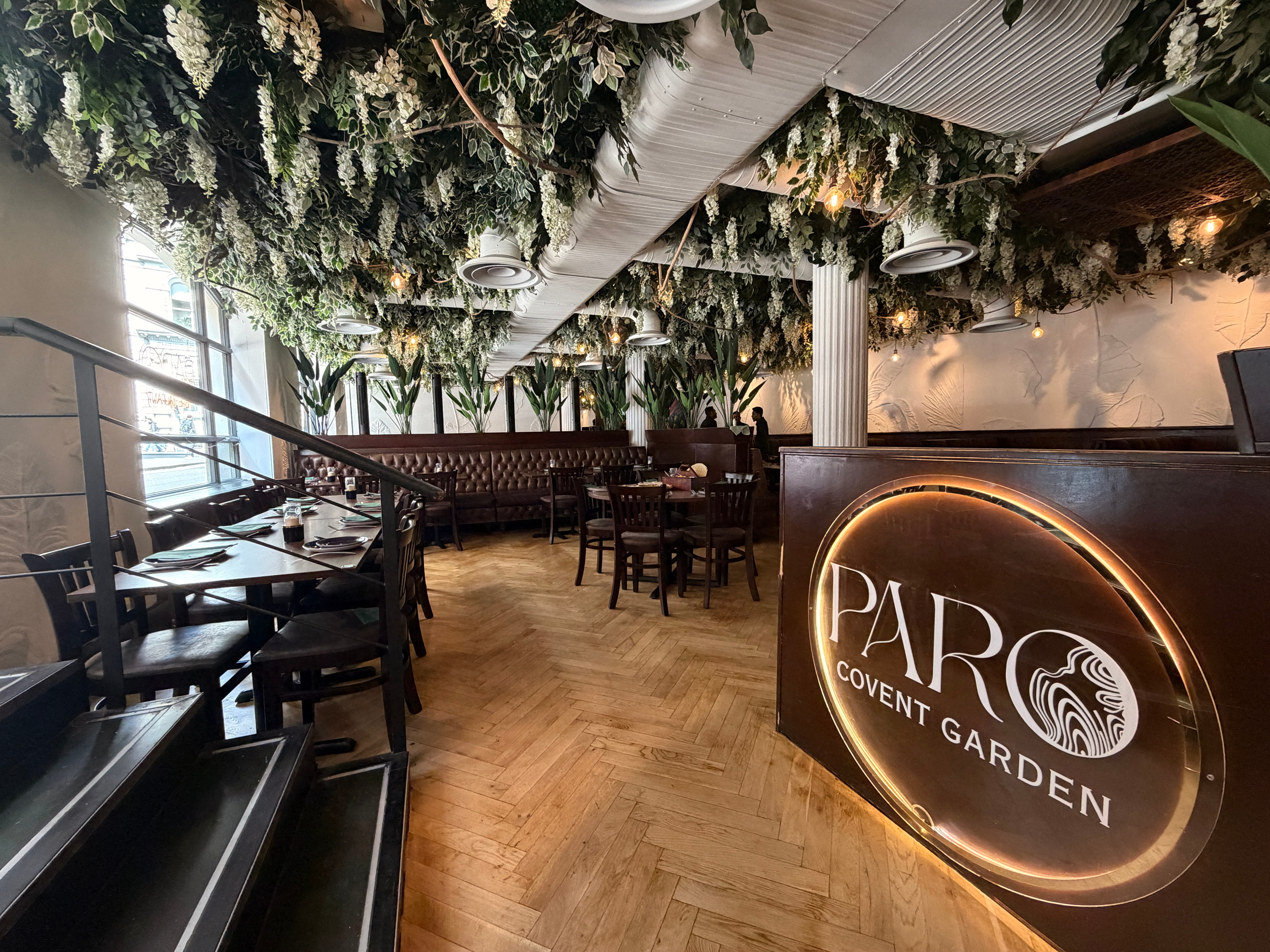
That flexibility is part of why an Indian restaurant Covent Garden location works so well for theatre nights. Paro sits at 21 Wellington Street, right beside the Lyceum, and the Fortune Theatre and the Royal Opera House are a few minutes away. You can finish your last mouthful and be in the foyer before the bell.
What about after the show?
Not everyone wants to eat first. Some prefer a light snack before and a proper meal after, especially for long productions or matinées followed by an evening out. We serve post-theatre guests too, and the slow-cooked dishes that make us fast before a show are just as good later in the evening.
If you are seeing a matinée, we are open for lunch from midday, Wednesday to Sunday, which makes a long lunch followed by an afternoon performance an easy plan.
Key Takeaways
- Indian cooking suits pre-theatre timing because sauce bases are built in advance and finished quickly to order.
- Arrive two hours before curtain, tell your server the time and order everything at once.
- Grilled dishes, dal and shared plates sit better before a long show than rich, fried food.
- A clear regional voice and a properly tagged menu help the best Indian restaurant Covent Garden diners choose stand out.
- Holborn and the Strand are both an easy walk from Wellington Street.
Frequently Asked Questions
How long should I allow for a pre-theatre Indian meal?
Around two hours is comfortable, and ninety minutes is workable if you order everything at once. Tell the team your curtain time when you sit down.
Which Indian dishes are quickest to serve?
Breads from the tandoor, grilled dishes and curries finished from a prepared base are usually quickest. Slow-steamed biryani can take longer, so ask before ordering.
Is spicy food a bad idea before the theatre?
Not necessarily. Moderate spice is fine for most people; very hot chilli and large rich portions are what tend to cause discomfort.
Can a group with different dietary needs eat together?
Yes. A menu tagged for vegan, vegetarian, halal, gluten-free, dairy-free and nut-free diners makes group ordering much simpler.
Is Covent Garden walkable from Holborn?
Yes. It is a short walk south from Holborn, often quicker than changing trains at busy times.
Final Thoughts
A pre-theatre meal should add to the evening, not threaten it. The best Indian restaurant Covent Garden theatregoers can choose is one that cooks with depth, paces the meal around your curtain time and sits close enough to the theatre that you never have to run. That is the job we do every week on Wellington Street. If you have tickets for a show nearby, the Paro team would be glad to look after the first act of your evening.