A safe gluten free Indian restaurant London diners can trust starts with the fact that much Indian cooking is naturally built on rice, lentils and chickpea flour. The work lies in removing hidden gluten (in asafoetida, soy sauce, ready-made spice blends and flour-thickened sauces) and in preventing cross-contact through shared oil, surfaces and bread.
Is Indian food naturally gluten-free?
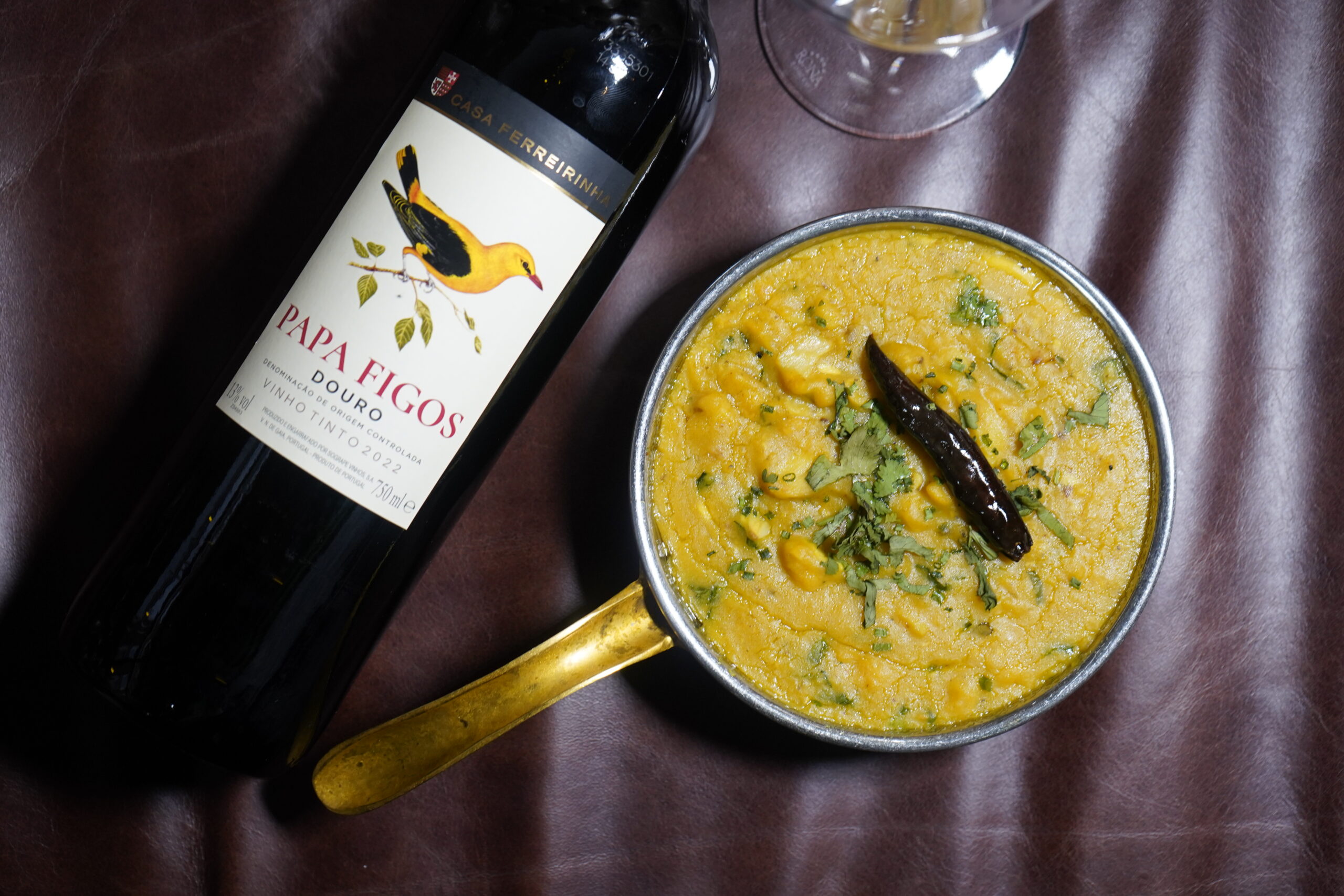
A lot of it is, which surprises people. Across much of India, especially the south and east, the staple is rice rather than wheat. Dals are lentils and spices. Pakoras and bhajis are traditionally made with besan, which is ground chickpea flour. Dosa and idli batters are fermented rice and urad dal. Most curries are thickened with onions, tomatoes, nuts, yoghurt or long reduction, not flour.
Bengali cooking, where Chef Niaz’s roots lie, is a good example. Rice is the centre of the meal, and fish, vegetables and lentils come cooked in mustard oil with whole spices. Wheat breads such as luchi exist, but they are a side, not the foundation.
So the starting point is strong. The risk lies in the details.
Where does hidden gluten hide in Indian cooking?
This is the part that catches out cooks and diners alike.
| Ingredient | Why it can contain gluten | What a careful kitchen does |
|---|---|---|
| Asafoetida (hing) | Pure resin is usually cut with wheat flour to make the powder | Uses a version compounded with rice flour or another gluten-free base, or leaves it out |
| Soy sauce | Standard soy sauce is brewed with wheat | Swaps to tamari or a certified gluten-free soy sauce for Indo-Chinese dishes |
| Ready-made spice blends | Some contain flour as an anti-caking agent or filler | Blends spices in-house from whole spices, or checks labels carefully |
| Semolina (sooji/rava) | It is durum wheat | Avoids rava dosa, upma and semolina-based sweets for coeliac guests |
| Vermicelli (seviyan) | Usually wheat | Uses rice vermicelli if offering an alternative |
| Malt vinegar | Made from barley | Uses distilled, white wine or cider vinegar in pickles and sauces |
| Batter for fried snacks | Some recipes add plain flour for crunch | Uses besan and rice flour only |
Asafoetida deserves extra attention. It is used in small pinches in dals and vegetable dishes, so it is easy to forget, but most commercial hing powder is mixed with wheat flour. Many diners with coeliac disease have no idea it is there.
Building dishes on our own house 48-spice mix helps here. When a kitchen blends from whole spices, it knows what goes in, which removes one of the most common unknowns.
How do chefs adapt traditional recipes?
The goal is not to invent new dishes. It is to keep the traditional flavour and quietly remove the gluten.
- Swap the flour, keep the texture. For crisp batters, a mix of roughly three parts besan to one part rice flour gives a light, crunchy coating with no wheat at all. Rice flour fries crisper because it absorbs less oil and forms less of a chewy network.
- Thicken with what Indian cooking already uses. Cashew or almond paste, onion cooked down slowly, coconut, or simply reducing a sauce. Where a nut allergy is also involved, toasted melon seeds or extra slow-cooked onion work instead.
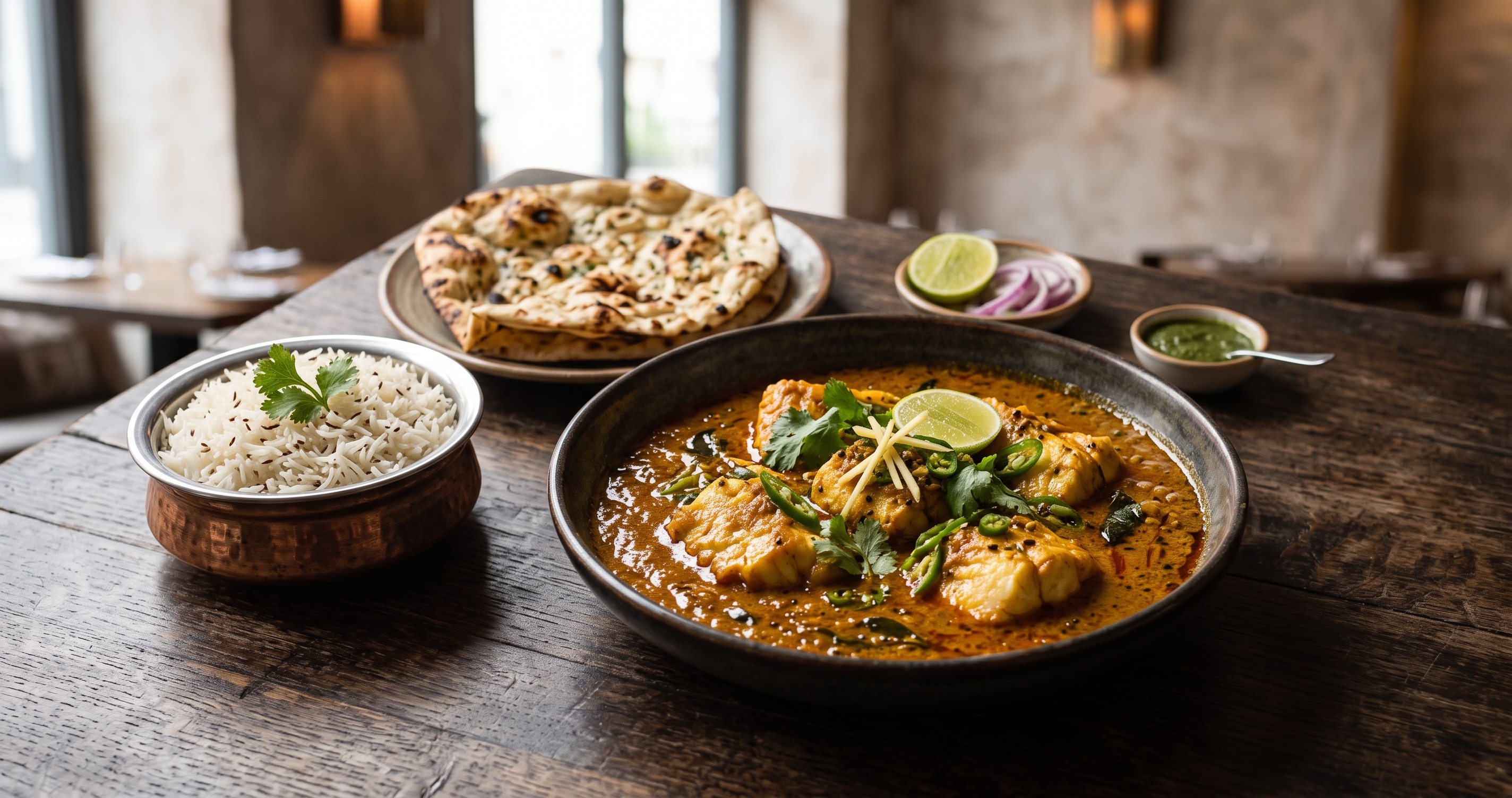
- Replace the bread. Naan and roti are wheat. Rice, dosa, chickpea-flour cheela or millet-based breads such as jowar or bajra roti can fill that role. Note that millet flour itself is gluten-free, but it must be milled and stored away from wheat.
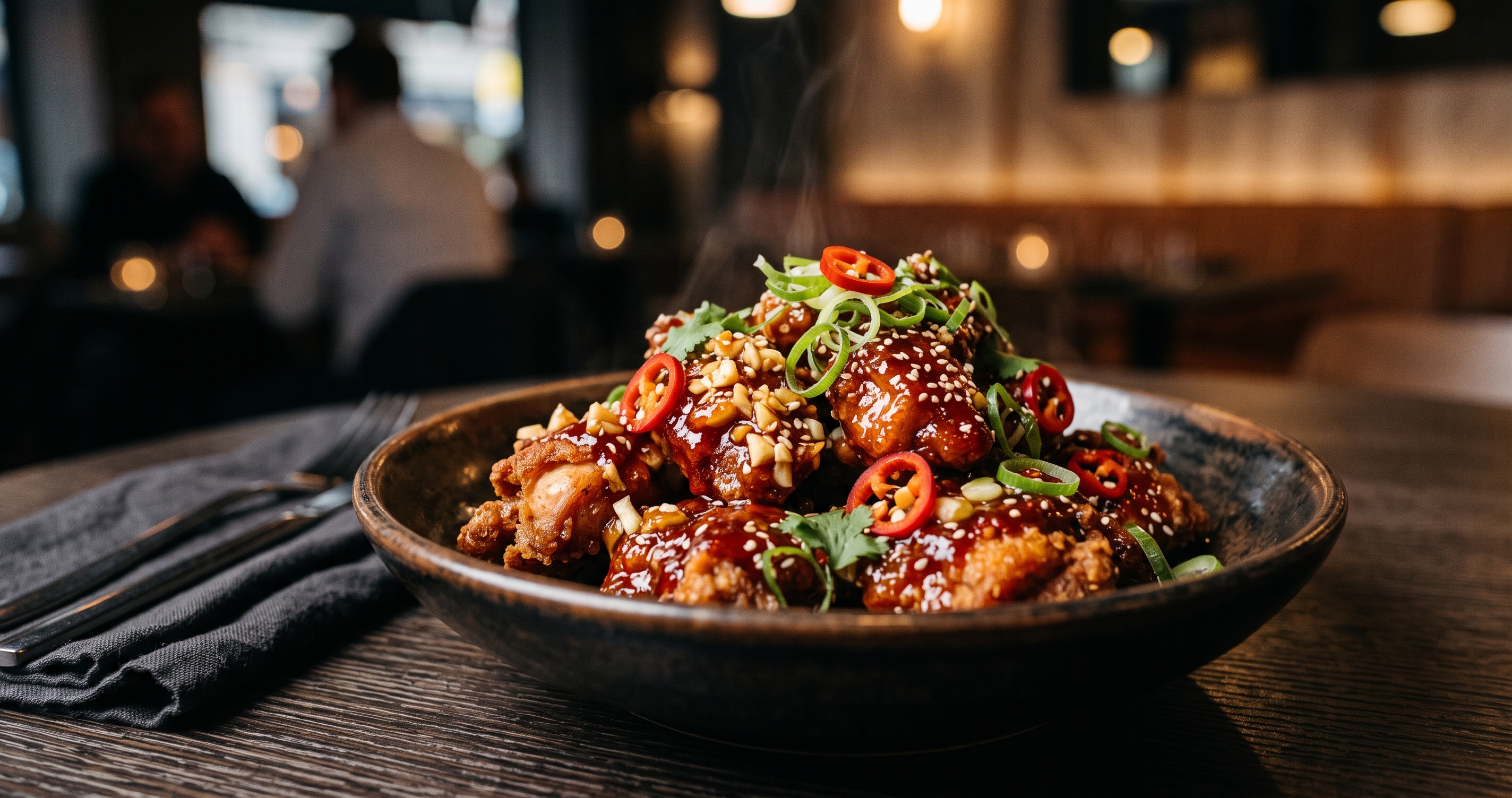
- Rewrite Indo-Chinese dishes. Chilli chicken and Manchurian-style dishes rely on soy sauce and often plain-flour batter. Tamari plus a cornflour-and-rice-flour coating keeps the gloss and crunch.
- Check every component. Chutneys, pickles, stock and garnishes count too. Fried onions bought ready-made are sometimes dusted with flour.
How does a gluten free Indian restaurant London diners trust prevent cross-contact?
Removing gluten from the recipe is only half the job. For someone with coeliac disease, a small trace can cause a reaction, so the process matters as much as the ingredients.
- Separate oil. A fryer used for anything battered in wheat flour is not safe for gluten-free food. Gluten-free frying needs its own fresh oil.
- Separate surfaces and tools. Breads and dough produce airborne flour. Gluten-free dishes should be prepared on clean boards, with clean ladles and pans.
- Bread ovens and tandoors. Naans cook directly on tandoor walls, which leaves flour residue. Gluten-free items cooked in the same oven may pick it up, so it is fair to ask how any grilled dish was cooked.
- Clear communication. The order needs to be flagged from the moment it is taken right through to the pass, so nobody adds a garnish or a side that undoes the work.
In the UK, food labelled “gluten-free” must contain no more than 20 parts per million of gluten, and restaurants must be able to tell you about the 14 major allergens, including cereals containing gluten. Asking is your right, and a good team will welcome the question.
What should you ask before ordering?
When you search for an Indian restaurant near me and need to eat gluten-free, these questions will tell you a lot:
- Is your asafoetida gluten-free, or do you leave it out?
- Do you have a separate fryer or fresh oil for gluten-free food?
- Which dishes are gluten-free by recipe, and which can be adapted?
- Is soy sauce used in any sauces, and if so, which type?
- Are naan and gluten-free dishes cooked in the same oven?
These questions are the quickest way to judge any gluten free Indian restaurant London offers. If a team cannot answer clearly, treat that as useful information.
Can you enjoy the full experience gluten-free?
Yes, with a little planning. Many people now look for an Indian afternoon tea London experience as well as dinner. Afternoon teas tend to lean on pastries, samosas and breads, so ask in advance anywhere you book whether a gluten-free version is possible rather than assuming.
Drinks need thought too. Most beers are brewed from barley, though gluten-free beers exist. Wines, ciders and most distilled spirits are generally considered gluten-free, but flavoured spirits and mixers can contain additives. When looking at Covent Garden drinks before or after a meal, it is worth checking with the bar.
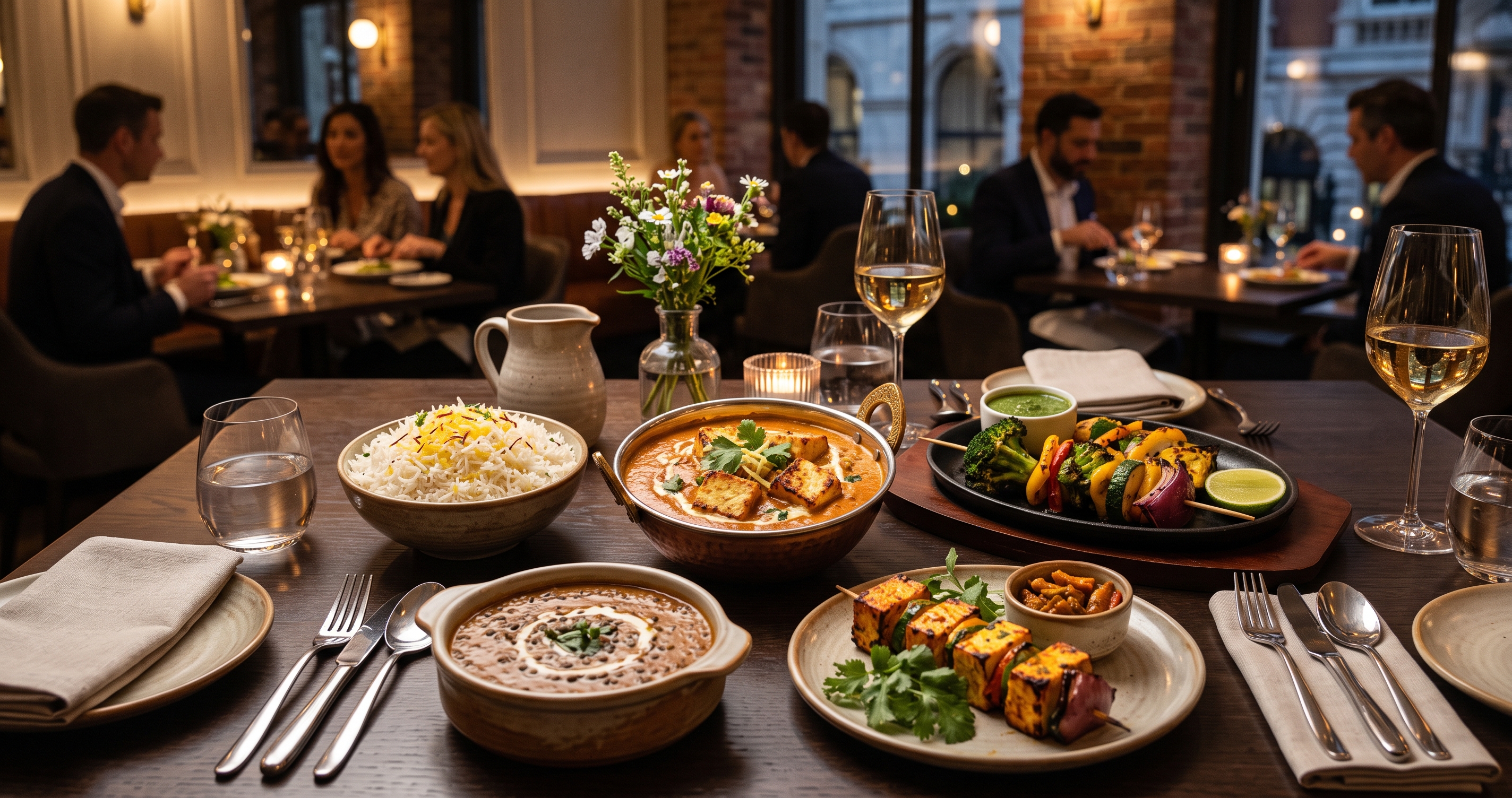
At Paro, at 21 Wellington Street beside the Lyceum Theatre, our menu is tagged for gluten-free diners, along with halal, vegan, vegetarian, dairy-free and nut-free. Tell the Paro team about coeliac disease or any sensitivity when you book and again when you order, and we will talk you through the options. If you are comparing the best restaurants Covent Garden has for dietary needs, that conversation is the best test of any kitchen.
Frequently Asked Questions
Is dal gluten-free?
Lentils are naturally gluten-free, but dal is often finished with asafoetida, which is usually cut with wheat flour. Ask whether the kitchen uses a gluten-free hing or leaves it out.
Are onion bhajis gluten-free?
Traditional bhajis use chickpea flour, which is gluten-free. Some recipes add plain flour, and they are often fried in shared oil, so confirm both the batter and the fryer.
Is basmati rice safe for coeliacs?
Plain basmati is naturally gluten-free. Check what it is cooked with, such as stock or fried onions, and how it is served.
Can I have naan on a gluten-free diet?
Traditional naan is made with wheat flour, so it is not suitable. Rice, dosa or a chickpea-flour pancake makes a good alternative where available.
Final Thoughts
A truly safe gluten free Indian restaurant London experience depends on knowledge and care: knowing where gluten hides, adapting recipes without losing flavour, and keeping gluten-free food apart from flour, bread and shared oil. Indian cooking gives chefs a strong head start. If you are planning a meal in Covent Garden, talk to us at Paro, and we will help you eat well and safely.