Dining out with coeliac disease or a gluten intolerance often brings a familiar sense of hesitation, particularly when navigating complex gravies and shared kitchen equipment. When searching for a reputable gluten free indian restaurant london visitors can trust, diners often face uncertainties about which classic curries and appetisers are genuinely safe to consume. Fortunately, authentic subcontinental food relies heavily on naturally gluten-free elements, including pulses, rice, fresh herbs, and fragrant whole spices. By understanding traditional culinary methods, spotting potential allergen traps, and speaking clearly with front-of-house staff, you can enjoy a vibrant culinary outing across the capital without compromising your digestive health.
Understanding Gluten in Traditional Indian Cooking
Many people assume that dining gluten-free in an Indian establishment is fraught with difficulty, yet culinary traditions tell an entirely different story. Exploring indian cuisine history reveals that traditional regional cooking developed around local agriculture, where rice, split pulses, and chickpea flours served as everyday foundations long before commercially refined wheat flour became commonplace. Consequently, an expansive portion of authentic subcontinental gastronomy remains naturally devoid of gluten.
Naturally Gluten-Free Staples of the Subcontinent
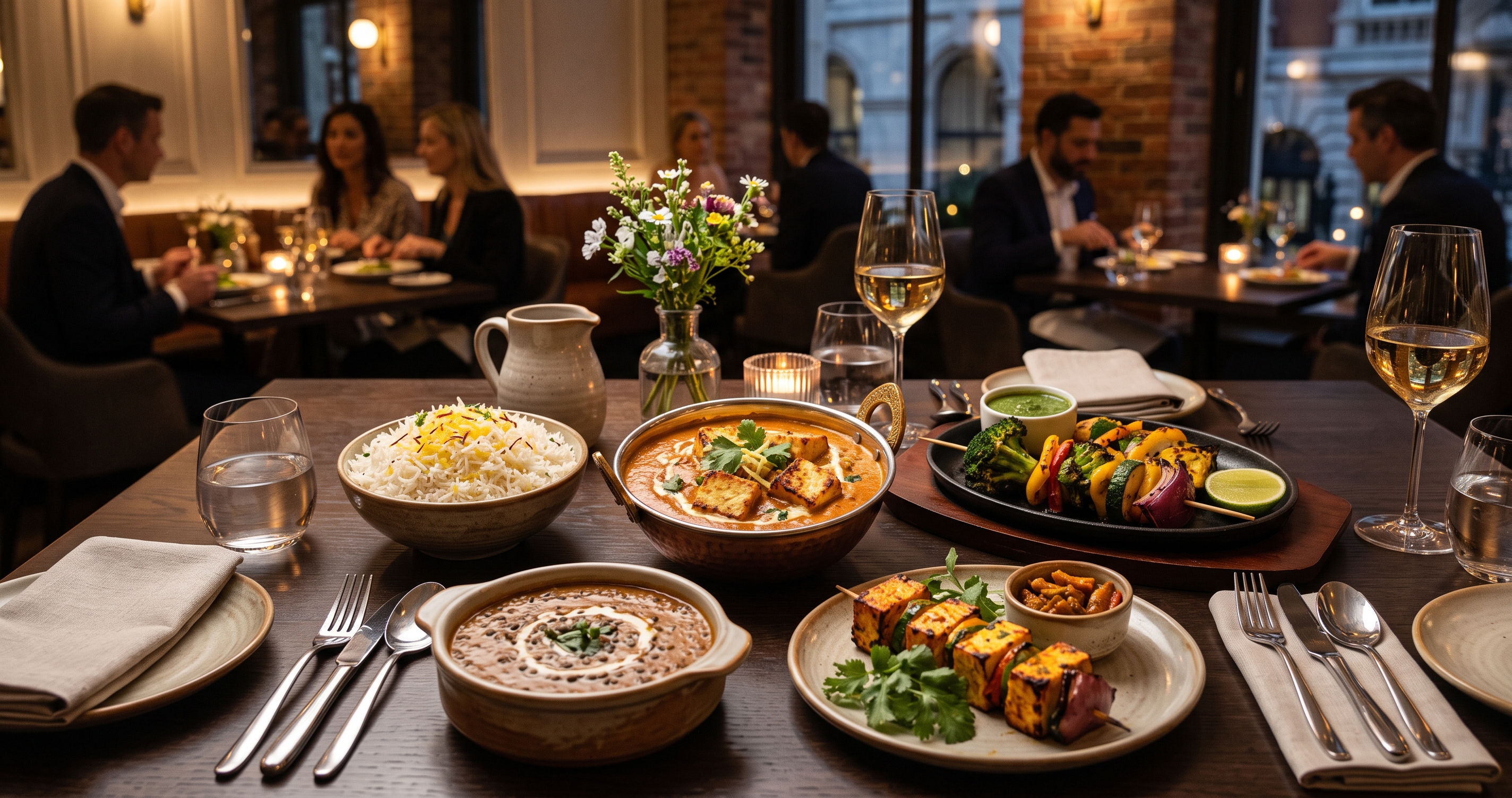
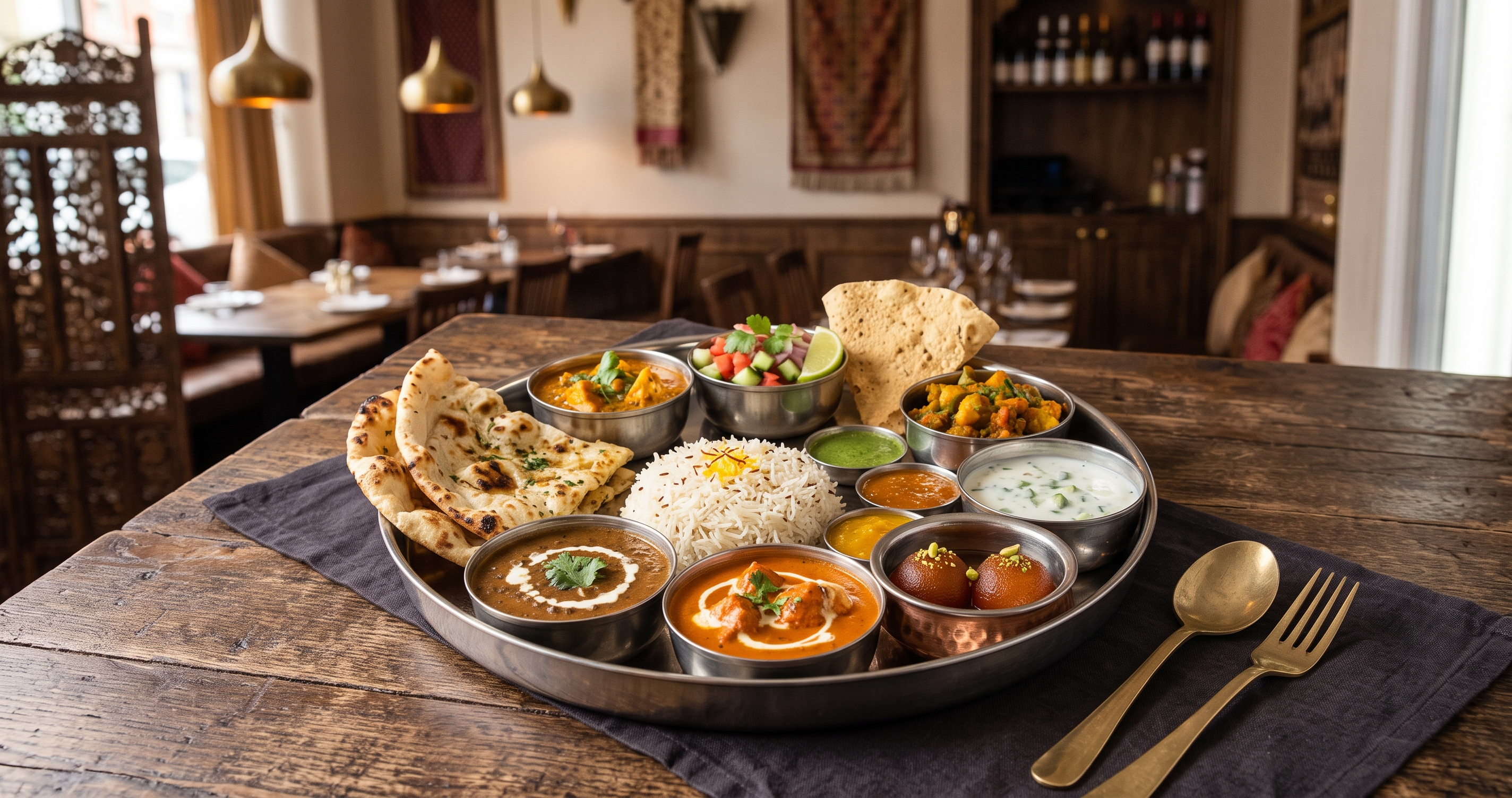
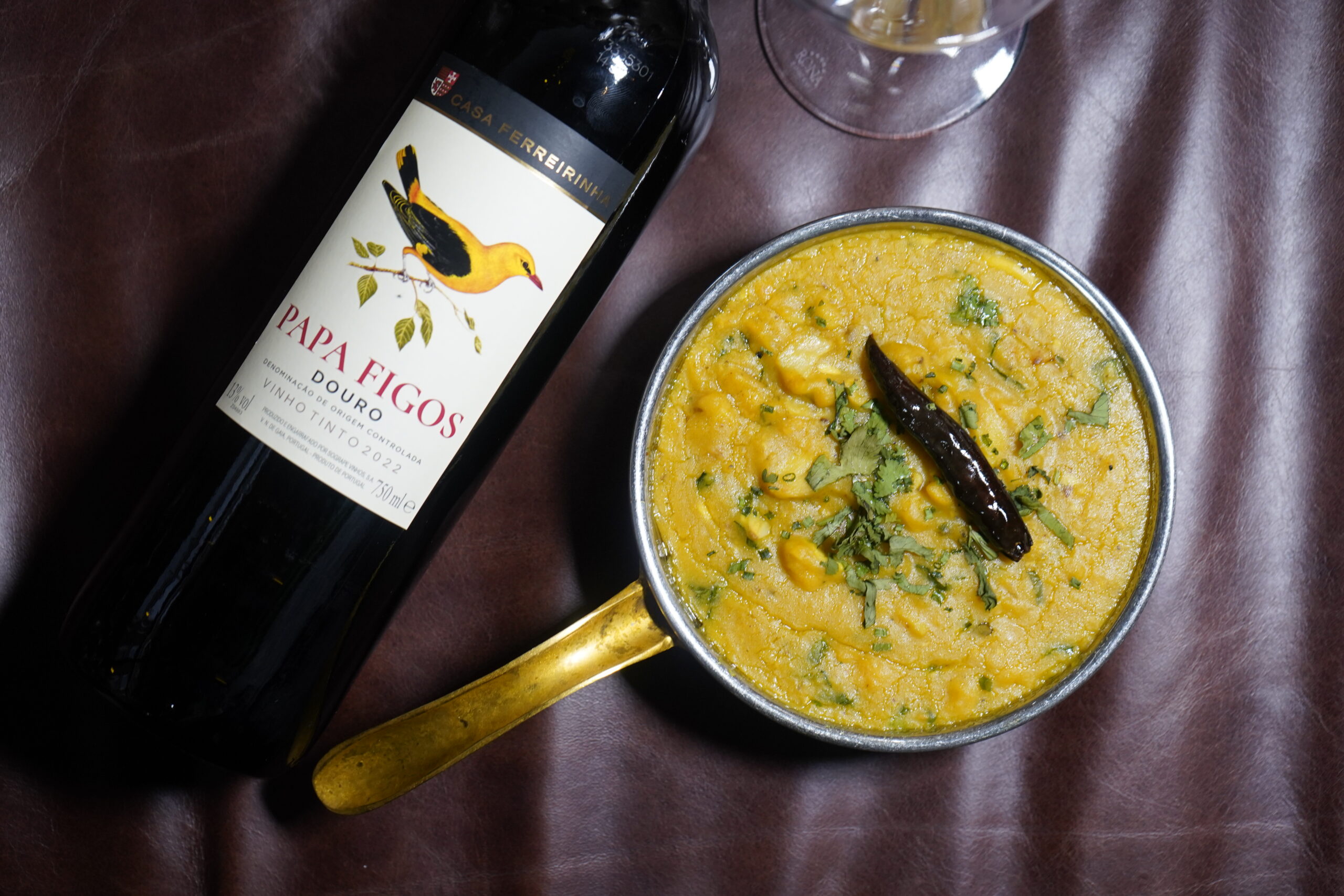
From coastal seafood dishes to hearty northern lentil preparations, traditional subcontinental chefs achieve remarkable depth of flavour through slow reductions rather than wheat thickeners. Basmati rice, split lentils, chickpeas, and tandoor-grilled meats marinated in yoghurt and whole spices are fundamentally free from gluten. For instance, when looking at a traditional madras curry recipe, thickness comes from caramelised onions, puréed tomatoes, ginger, and garlic rather than wheat-based additives.
Hidden Gluten Traps in Modern Commercial Kitchens
While traditional foundations are safe, commercial adaptations in the British restaurant scene can introduce unexpected cross-contact risks. The primary source of gluten in most curry houses stems from tandoori breads such as naan, roti, and paratha, which are made with plain wheat flour. Before settling on a gluten free indian restaurant london diners should check whether flatbreads are prepared in proximity to gluten-free dishes, as loose flour can easily drift across preparation counters.
Furthermore, pre-packaged spice blends, commercial malt vinegars, and ready-made base gravies occasionally contain wheat flour as an anti-caking agent or bulking stabilizer. A reputable kitchen will always grind whole spices from scratch to preserve regional purity and prevent accidental cross-contact.
Navigating the Menu from Street Food to Classic Curries
Perusing an Indian menu requires an eye for detail, particularly regarding cooking oils and batter ingredients. Selecting an inviting restaurant strand commuters and theatregoers can reach easily makes pre-theatre dining effortless, especially since central London venues increasingly cater to strict allergen declarations under UK food hygiene regulations.
Sifting Through Street Food and Starters
Starters are often where diners encounter the greatest contrast between safe ingredients and cross-contamination hazards. Classic crispy onion bhajis are traditionally prepared with seasoned gram flour, which is milled from chickpeas and naturally free from gluten. These golden fritters deliver a crisp texture alongside fresh mint or tamarind chutneys.
However, wheat flour can inadvertently enter the equation through samosa pastry wrappers or shared frying oil. If a kitchen drops wheat-battered items into the same oil used for gram-flour appetisers, the dish is no longer safe for anyone with coeliac disease. At an attentive gluten free indian restaurant london food lovers visit, kitchen staff will gladly prepare starters using dedicated fryers or roast them directly in the tandoor.
Why Authentic Curries Rarely Need Wheat
Delving further into indian cuisine history, one finds that classic gravies draw their luxurious texture from slow reduction and natural aromatics rather than instant thickeners. A slow-cooked korma achieves its velvety body from cashew nut paste and cream, whereas a saag relies on finely stewed spinach leaves and fenugreek.
Similarly, preparing an authentic madras curry recipe demonstrates that fiery chilli, tangy tamarind, and concentrated tomato yield a rich consistency without requiring gluten. Well-loved classics such as rogan josh, butter chicken, and fragrant biryanis should naturally be safe, provided the kitchen crafts each sauce from scratch rather than relying on commercial roux bases.
Crucial Questions to Ask Before You Place Your Order
UK law mandates that food businesses declare the presence of the 14 major allergens, but direct communication remains your best protection. When booking a table at a gluten free indian restaurant london hosts should welcome detailed inquiries about kitchen workflows and preparation standards.
To ensure your meal is prepared in a safe environment, consider asking the waiting staff these essential questions:
- Do you use dedicated fryers for gluten-free appetisers? Confirm that appetisers such as onion bhajis and poppadoms are fried in dedicated oil rather than shared with wheat samosas.
- How do you separate tandoor preparations? Because wheat naans are slapped directly against the interior clay walls of a tandoor oven, ask whether marinated skewers are grilled using separate skewers and clean heat zones.
- Are sauces thickened with natural vegetable reductions? Enquire whether curries are made fresh with onion purées, ground nuts, and yoghurt, rather than pre-thickened gravies containing hidden wheat starch.
- Can your team provide a detailed allergen matrix? Transparent kitchens maintain written allergen sheets that track every single ingredient used in each recipe.
Dining in Central London’s West End and Covent Garden
Finding an accommodating dining spot becomes especially important when you are planning an evening around the West End theatre district. If your plans include a West End show, finding a reputable restaurant covent garden visitors frequent ensures a relaxed meal before curtain call.
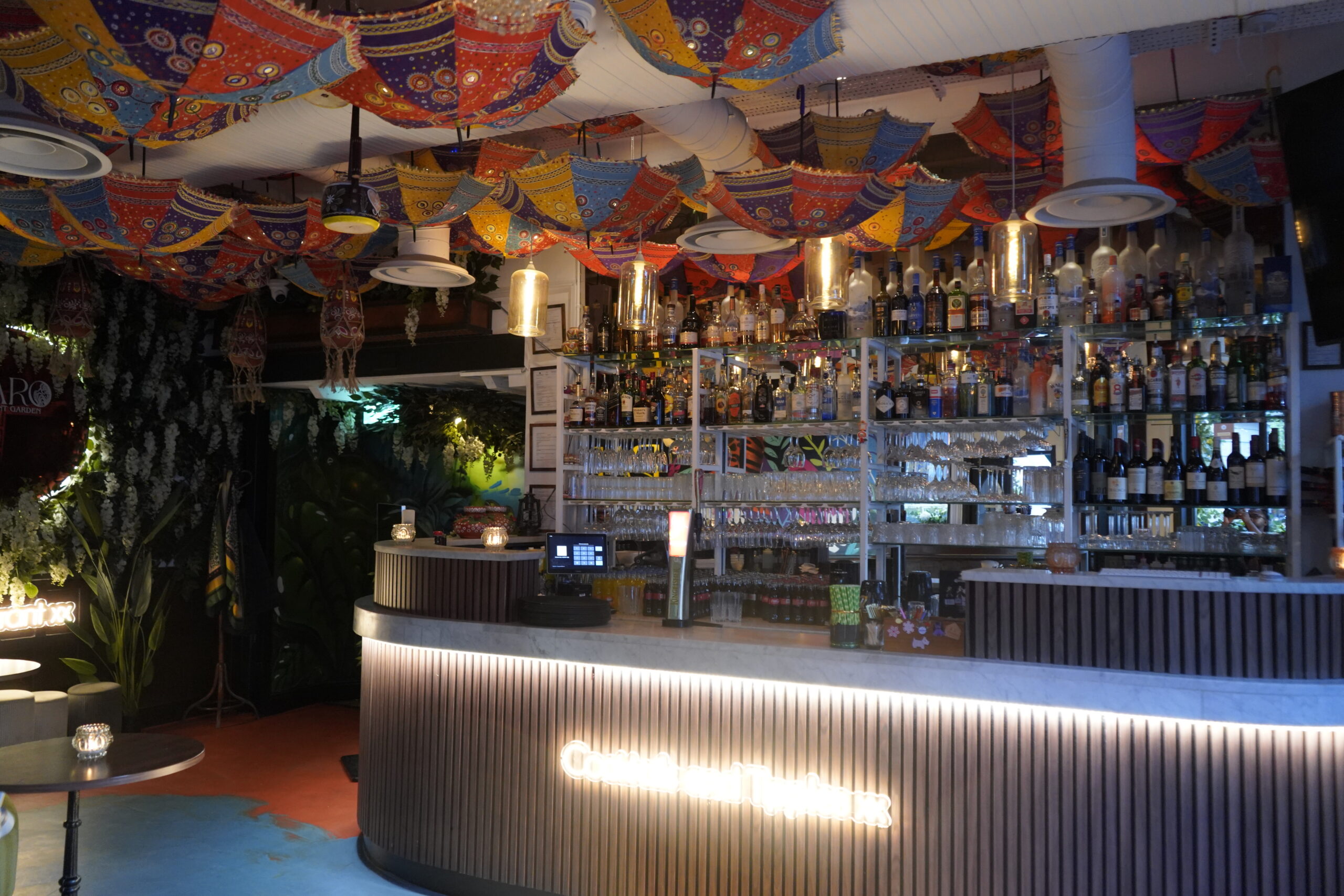
For diners seeking the best indian food covent garden has to offer, Paro Indian on Wellington Street showcases how fresh, scratch-based cooking elevates the West End dining experience. By grinding spices on-site and building sauces from authentic family recipes, such establishments minimise the risks associated with commercial fillers and unlabelled additives.
Securing a reservation at a quality gluten free indian restaurant london theatregoers rate highly removes the anxiety of scanning menus under tight pre-show deadlines. In addition, choosing a warm restaurant strand passersby admire provides an intimate escape from the bustling city, situating you moments from London’s most historic stages.
Enjoying dinner in a welcoming restaurant covent garden diners love allows you to enjoy central London’s vibrant atmosphere without dietary stress. Whether you favour tender tandoori chicken, slow-cooked black lentils, or spiced basmati rice, quality kitchens make allergen management a seamless part of hospitality.
When you sit down at an accommodating gluten free indian restaurant london servers will happily highlight which regional specialities match your dietary requirements. Ultimately, discovering the best indian food covent garden kitchens can deliver means choosing venues that prioritise ingredient transparency alongside authentic spice craftsmanship.
Final Thoughts
Eating out on a gluten-free diet should never mean resigning yourself to bland meals or constant culinary compromises. Traditional subcontinental cooking is inherently diverse, celebrating vibrant spices, wholesome pulses, and naturally gluten-free bases that deliver exceptional flavour without wheat additives.
By verifying kitchen frying practices, checking tandoor cross-contact precautions, and choosing restaurants committed to scratch cooking, you can navigate any menu with absolute confidence. Ultimately, locating a dependable gluten free indian restaurant london residents and visitors celebrate opens the door to unforgettable dining without compromise.