When diners search for genuine vegan indian food in London’s West End, Paro consistently comes up in the conversation. Located beside the Lyceum Theatre at 21 Wellington Street, Covent Garden, Paro was founded by Chef Niaz, whose kitchen is built around a secret 48-spice mix sourced from Indian bazaars and rooted in Kolkata and West Bengal tradition. That grounding in authentic regional cooking, combined with a menu clearly tagged for vegan, vegetarian, halal, gluten-free, dairy-free and nut-free diners, is why this address has earned a reputation among plant-based diners looking for a serious meal before or after a show.
The Long History Behind Indian Food Culture and Plant-Based Eating
Understanding indian food culture history explains why vegan cooking in India was never a trend. India has long had one of the largest vegetarian and plant-based populations in the world, shaped by religious, regional and agricultural traditions stretching back centuries. Lentils, pulses, seasonal vegetables and grains have always sat at the centre of the everyday plate, not on the sidelines. Chef Niaz’s approach at Paro reflects this heritage directly: the 48-spice blend sourced from Indian bazaars is used across meat and plant-based dishes alike, so vegan guests are served a full expression of the same spice tradition that built the restaurant’s reputation.
Why Paro Has Become a Trusted Vegan Restaurant London Diners Recommend
Among the many options for a vegan restaurant london visitors search for, Paro stands out because its plant-based dishes are not an afterthought bolted onto a meat-heavy menu. Every dish is clearly tagged for dietary needs, including vegan, vegetarian, gluten-free, dairy-free and nut-free, so guests can identify suitable options at a glance rather than relying on guesswork. This transparency matters most on busy pre-theatre evenings, when tables turn quickly and diners want confidence in their order without delay.
Tandoor-Fired Vegetables and the Plant-Based Menu at Paro
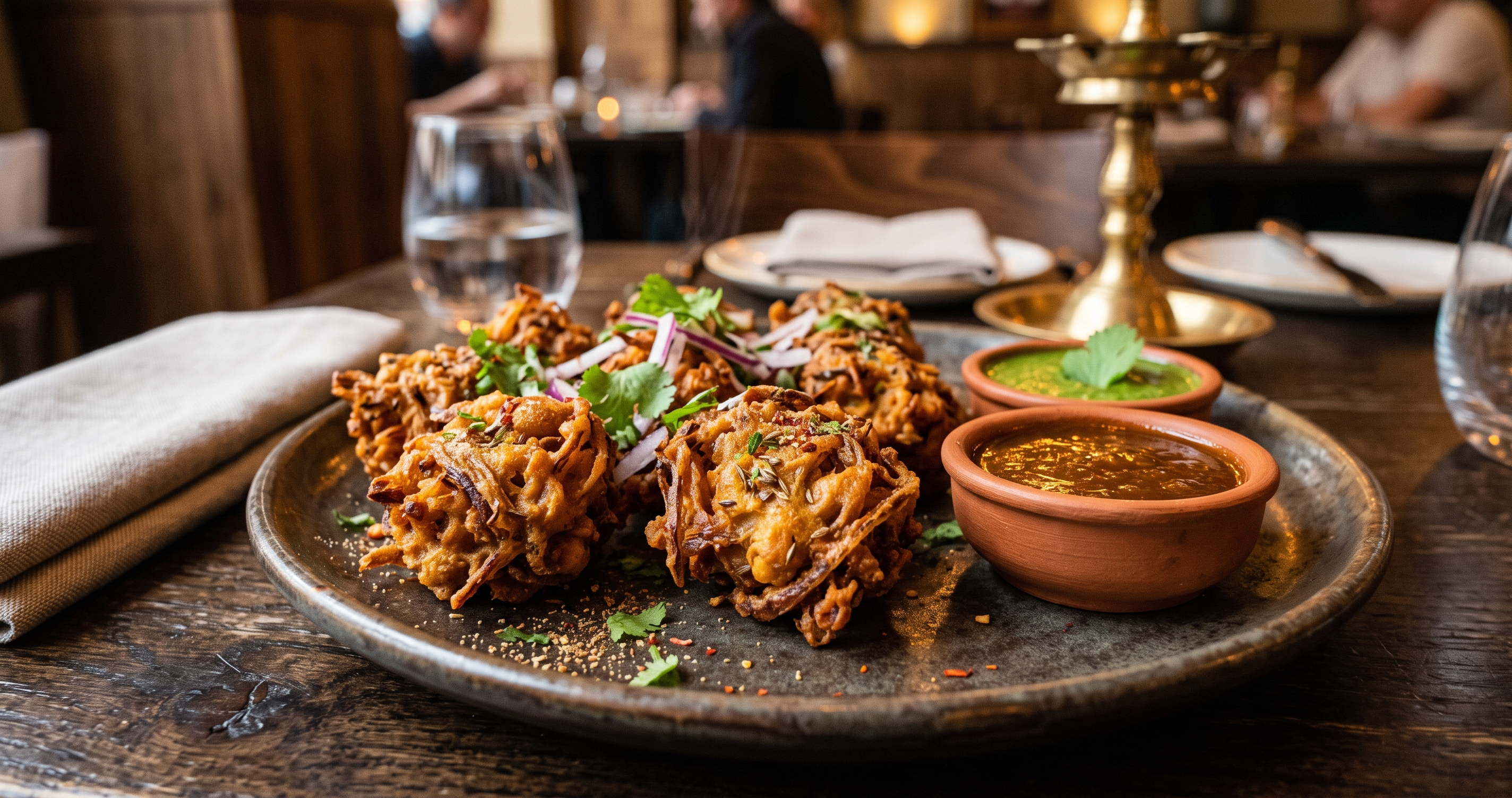
The tandoor oven is traditionally associated with meat, but in Kolkata-rooted kitchens like Paro’s, it is equally central to vegetable cookery. Charring vegetables at high heat concentrates their natural sweetness and adds smokiness that complements the restaurant’s signature spice mix. Paired with lentil-based preparations and vegetable curries, this gives vegan guests dishes with real depth, rather than simply removing meat from an otherwise unchanged recipe. This attention to technique, not just ingredient substitution, is what keeps the plant-based side of the menu credible.
Comparing a Vegan Curry with a Classic Chicken Madras Curry
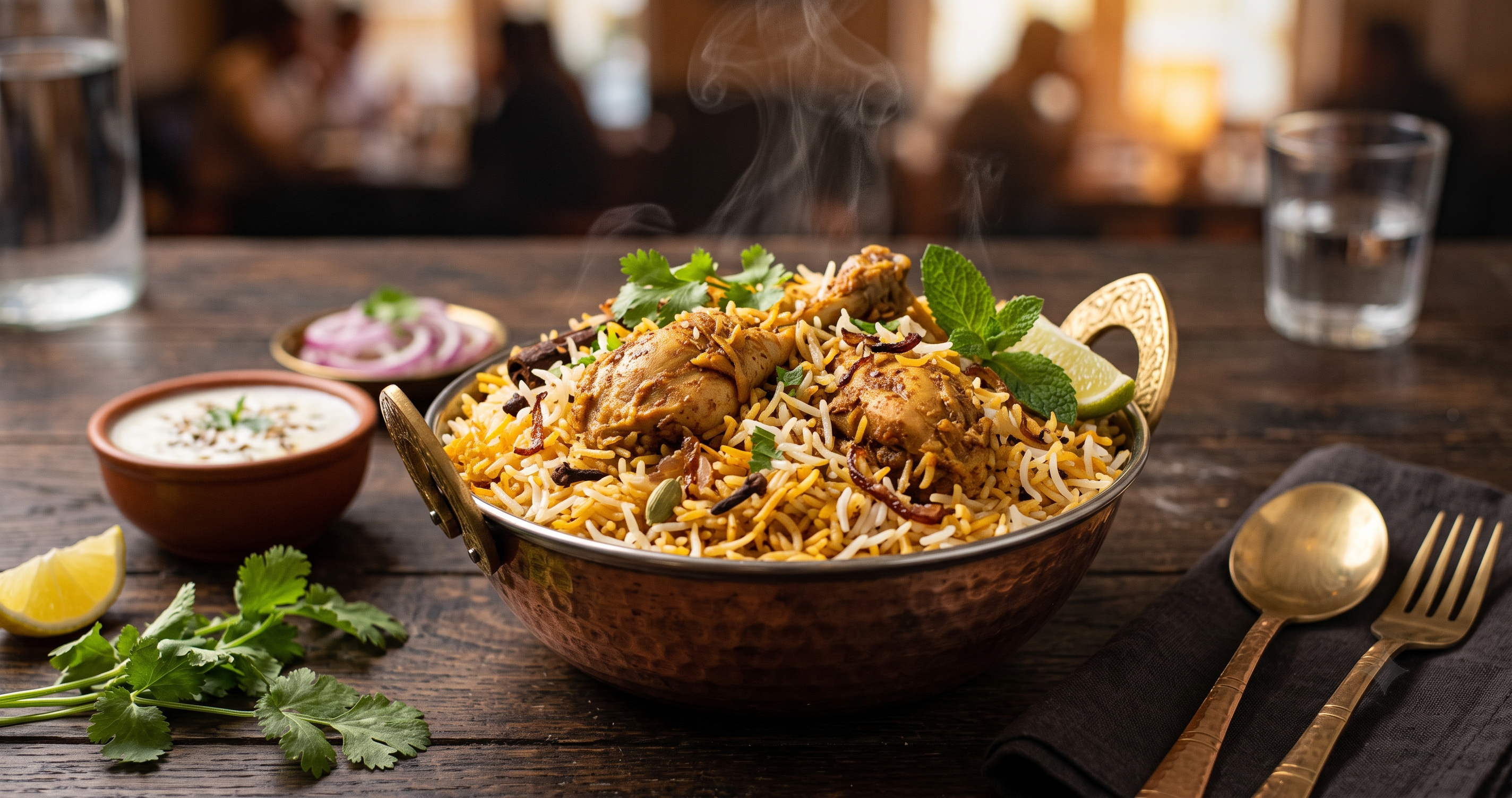
A useful way to see the range of Paro’s kitchen is to compare a vegan lentil or vegetable curry with a chicken madras curry from the same menu. The chicken madras curry leans on a robust, chilli-forward gravy built from the same secret spice base, delivering heat and richness for those who want a fiery, traditional South Indian-style dish. A vegan curry made with lentils or seasonal vegetables draws on the same spice foundation but is balanced differently, often with a lighter, more vegetable-forward finish. Serving both from one consistent spice tradition shows Paro’s plant-based offerings are a genuine extension of the same kitchen, not a separate menu.
Exploring the Indian Curries List Beyond Butter Chicken
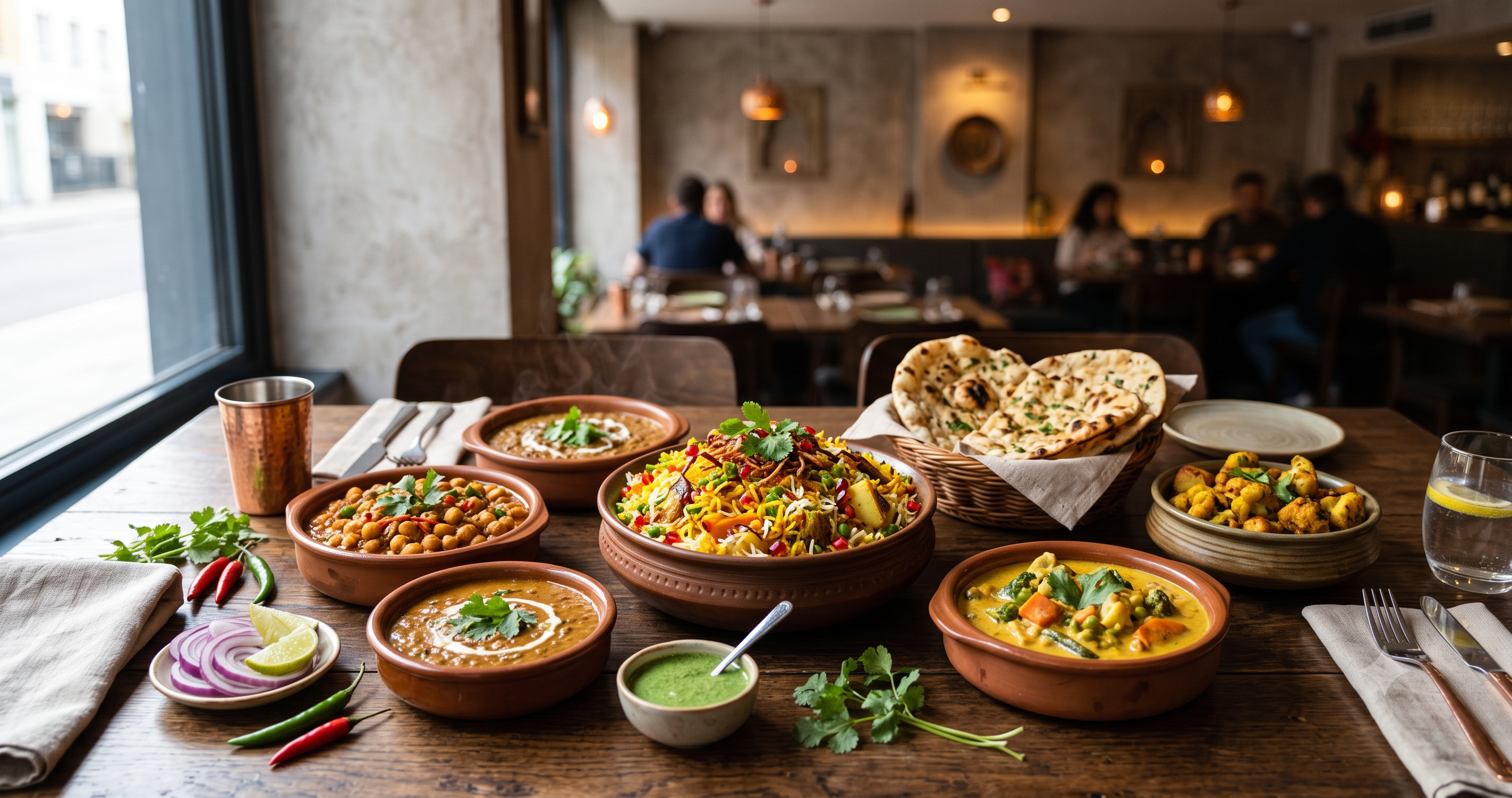
Most visitors arrive expecting butter chicken, lamb shank or tandoor-fired classics, and Paro delivers all three as signature dishes. But a proper look at the indian curries list reveals far more variety, spanning vegetable-based preparations, lentil dals and regional curry styles that showcase Bengal’s culinary range. This breadth matters for group dining, since Paro welcomes bookings of up to 120 people with priority seating near the largest screen, ideal for sports fixtures or event nights with mixed dietary preferences.
What Makes the Best Indian Curry a Matter of Balance, Not Just Heat
Ask ten diners to define the best indian curry and you will get ten different answers, but most agree it comes down to balance between spice, richness and freshness rather than heat alone. Chef Niaz’s 48-spice mix is designed with this balance in mind, giving depth to meat dishes like the lamb shank and to plant-based curries built from lentils and vegetables. Because the same spice foundation runs through the menu, vegan and non-vegan guests dining together can each order dishes that taste distinctly “Paro.”
Drinks, Diets and a Menu Designed for Every Guest
A strong vegan indian food menu is only part of what makes a restaurant genuinely inclusive, and Paro extends that thinking to its drinks list too. The Tipples & Cocktails menu includes an Espresso Martini made with Indian coffee beans and the Jab We Met Martini, alongside gin, whisky, vodka, rum, tequila, brandy, cognac and liqueurs. There is also a dedicated lassi and juice section, a specialty tea section, and a full range of wines, champagne, beer and cider. Combined with dietary tagging across the food menu, every guest at the table has genuine choice rather than a single safe option.
Why Paro Ranks Among the Best Indian Restaurant in Covent Garden Choices for Theatre Nights
Its position beside the Lyceum Theatre, walking distance from the Strand, makes Paro a natural stop for pre- and post-theatre dining, part of why it is often named among the best indian restaurant in covent garden options. Seating over 90 guests, with private dining available for 10 to 60 guests, the restaurant handles both quick pre-show meals and longer post-show gatherings. Opening hours run Monday and Tuesday 3:00pm to 10:30pm, Wednesday to Saturday 12:00pm to 11:00pm, and Sunday 12:00pm to 10:30pm. Booking online or by phone is recommended, particularly Thursday to Saturday and on theatre evenings, though walk-ins are welcome subject to availability.
Final Thoughts
Paro’s reputation for vegan indian food is not built on marketing, but on a kitchen that treats plant-based cooking as an authentic extension of Kolkata culinary tradition rather than a compromise. From tandoor-fired vegetables to a fully dietary-tagged menu covering vegan, vegetarian, halal, gluten-free, dairy-free and nut-free needs, every element reflects the same 48-spice foundation Chef Niaz built the restaurant on. Whether booking a quick pre-theatre bite, a group event for up to 120 guests, or a private dining room, Paro offers a menu where vegan dishes sit confidently alongside classics like butter chicken and lamb shank, backed by a genuine understanding of India’s long-standing plant-based food culture.
FAQs
Is Paro a good option for vegan diners near the Lyceum Theatre?
Yes, Paro’s menu is clearly tagged for vegan, vegetarian, halal, gluten-free, dairy-free and nut-free diners, making it straightforward to identify suitable dishes before or after a show at the neighbouring Lyceum Theatre.
Does Paro serve tandoor-cooked vegetables as well as meat?
Yes, the tandoor oven is used for vegetable dishes as well as meat, giving plant-based guests smoky, charred flavour built on the same 48-spice mix used across the menu.
Can large groups book at Paro with mixed dietary needs?
Yes, Paro welcomes group bookings of up to 120 people with priority seating near the largest screen, and the dietary-tagged menu makes ordering easy for vegan and non-vegan guests at the same table.
What are Paro’s opening hours for pre-theatre dining?
Paro is open Monday and Tuesday from 3:00pm to 10:30pm, Wednesday to Saturday from 12:00pm to 11:00pm, and Sunday from 12:00pm to 10:30pm, covering most pre-theatre and post-theatre time slots.
Should I book ahead or can I walk in at Paro?
Booking online or by phone is recommended, especially Thursday to Saturday and theatre evenings, though walk-ins are welcome subject to availability. Paro can be reached at +44 20 3722 0951 or info@paroindian.com.