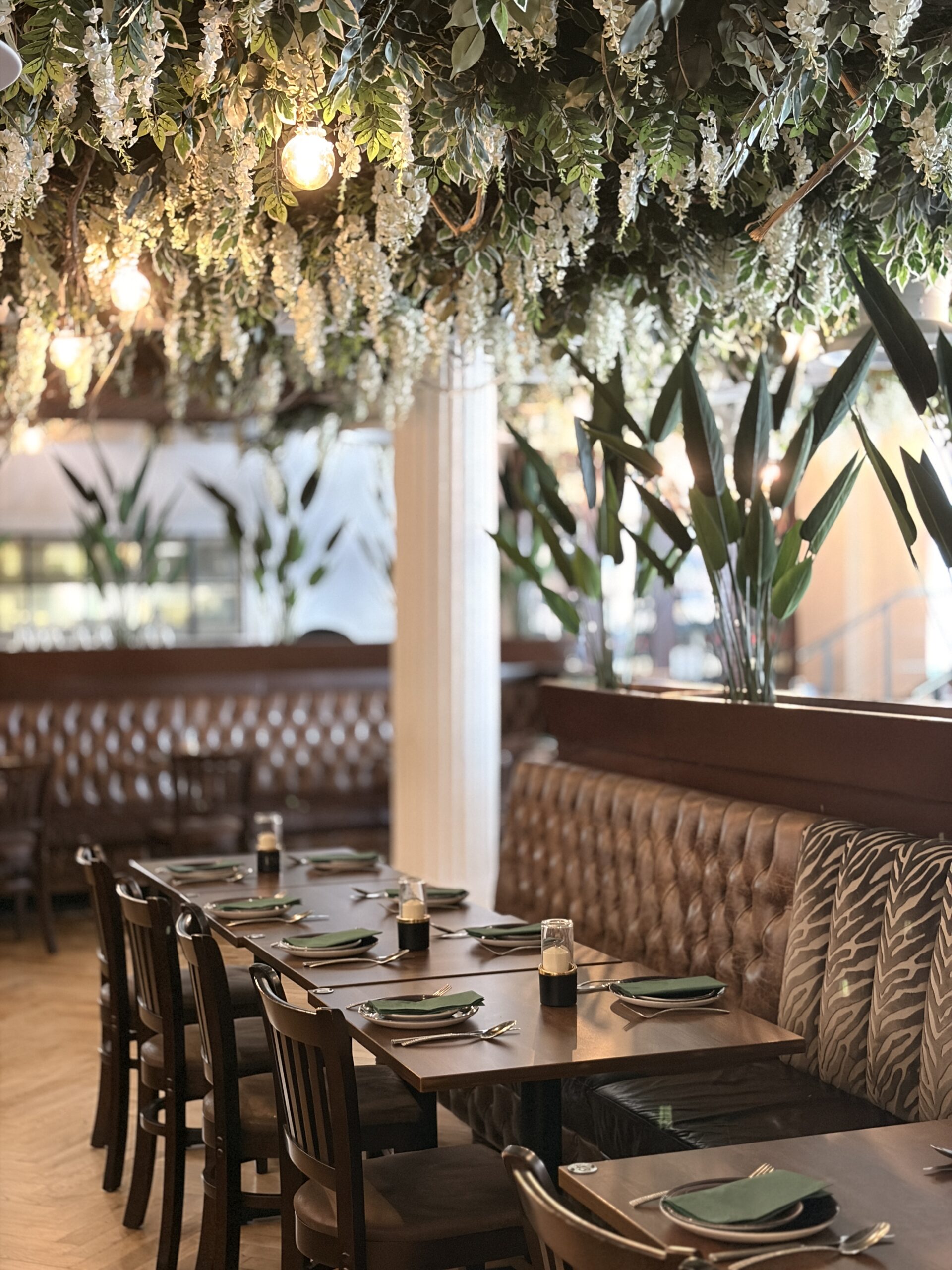
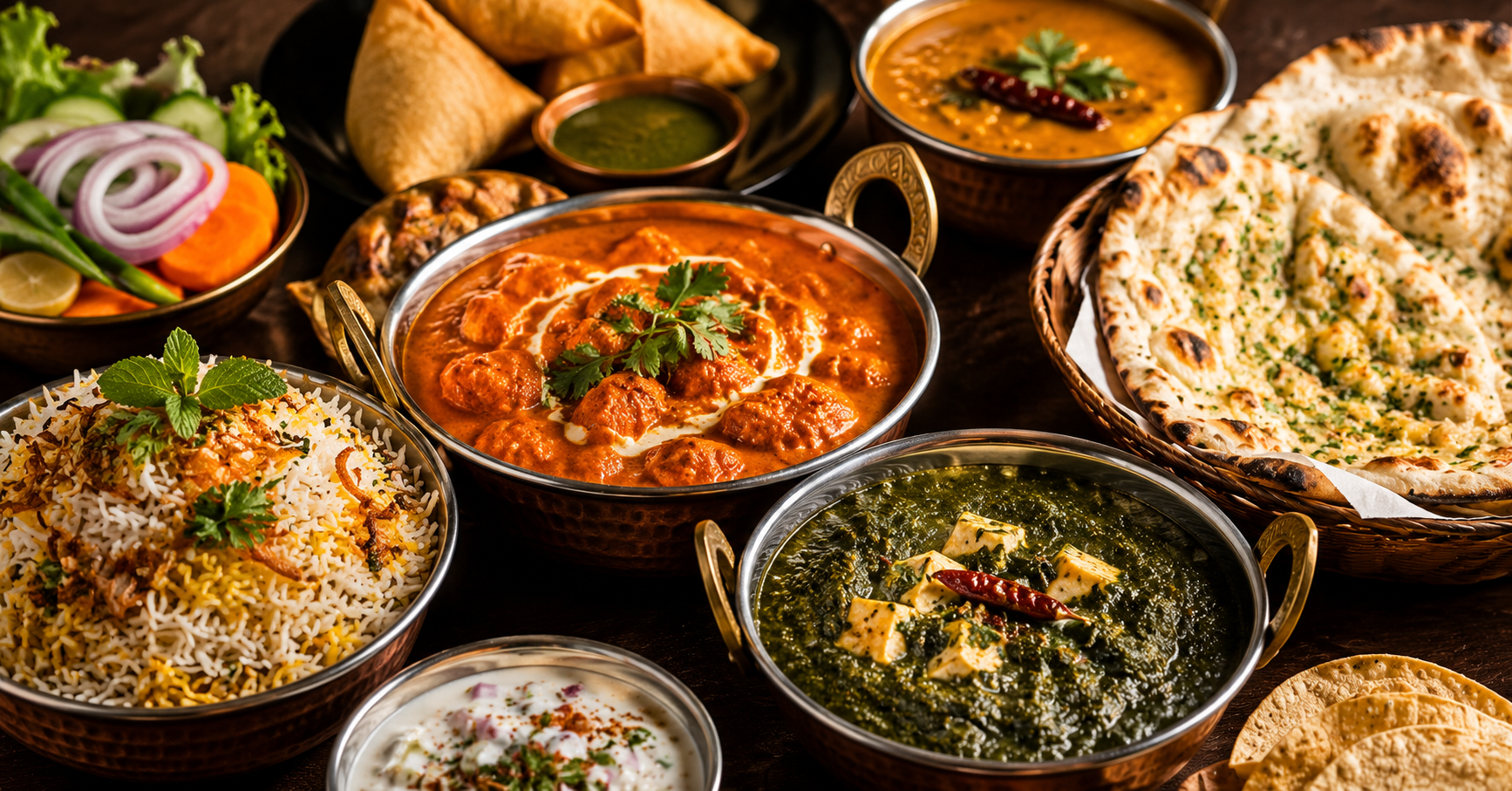
Finding the best indian food before curtain-up isn’t just about speed of service, it’s about whether the plate tastes like it was built on real technique. Paro, located beside the Lyceum Theatre at 21 Wellington Street, London WC2E 7DN, was founded by Chef Niaz on a kitchen philosophy rooted in Kolkata and West Bengal tradition, using a secret 48-spice mix sourced directly from Indian bazaars. That single detail sets a useful bar for judging any pre-theatre curry house: does the food have traceable lineage, or is it just convenient? This review looks past location and timing to ask what genuine authenticity looks like on the plate.
What Makes Indian Food Genuinely Authentic
Authenticity in Indian cooking comes down to three things: where the spices come from, how the base masala is built, and whether the chef follows regional tradition rather than a generic template. At Paro, the kitchen’s identity is anchored in a 48-spice blend sourced from Indian bazaars rather than a pre-mixed powder, and that sourcing decision is the difference between a curry that tastes layered and one that tastes flat. When comparing the best indian dishes across restaurants, the spice sourcing story is usually the clearest sign of who is cooking traditionally.
Recipe Lineage: Kolkata and West Bengal Roots
Regional roots give a menu its backbone. Paro’s kitchen traces its recipes to Kolkata and West Bengal, known for mustard-forward gravies, subtle sweetness, and slow-cooked meat and fish dishes, layered here with contemporary influences rather than left untouched. This lineage shows up in signature offerings including butter chicken, lamb shank, and traditional curries finished in the tandoor. A kitchen that can point to a specific region, rather than a vague “Indian cuisine” label, tends to produce more consistent, honest food, built on inherited technique rather than improvisation.
Tandoor Technique and the Slow-Cooked Classics
Tandoor cooking is one of the clearest authenticity markers in Indian dining, because it can’t be faked with a shortcut. The intense, even heat of a clay oven changes the texture of meat and bread in a way a standard grill cannot replicate. Paro’s tandoor-fired classics sit alongside slow-braised dishes like lamb shank, which rewards the patience only traditional methods allow. When reviewing any pre-theatre restaurant, it’s worth asking whether the tandoor is a genuine centrepiece or an afterthought, since that answer usually predicts the quality of everything else on the table.
Balancing Meat, Vegetarian and Vegan Menus Without Losing Authenticity
A common weak point in Indian restaurants is treating vegetarian and vegan dishes as an afterthought bolted onto a meat-focused menu. Paro’s menu is tagged across halal, vegan, vegetarian, gluten-free, dairy-free and nut-free categories, signalling a kitchen built to serve genuinely diverse dietary needs. For diners specifically seeking vegan indian food, this labelling matters because it shows real thought around ingredient substitution rather than simply removing meat from a meat-based gravy. Anyone searching for a reliable vegan indian restaurant london visitors can trust before a show should look for this kind of structured dietary tagging, not just a line saying “vegetarian options available.”
Dish Spotlight: What a Genuine Madras-Style Curry Should Taste Like
Among the indian curries list found on most London menus, the madras-style curry is one of the easiest to get wrong, because its reputation as simply “the hot one” flattens what should be a layered, tamarind-and-chilli-forward gravy with real depth. A proper madras curry recipe starts with a slow-built base masala and roasted, ground spices rather than shortcuts, balancing heat against sourness instead of relying on chilli quantity alone. In a kitchen working from a genuine spice-sourcing tradition, like Paro’s bazaar-sourced 48-spice mix, a madras-style dish should show restraint rather than heat for its own sake, making it a useful test order for judging whether a curry house treats regional dishes seriously.
Drinks That Complement an Authentic Indian Meal
An honest review of authenticity also looks at how a restaurant treats its drinks list, since pairing choices reveal how seriously a kitchen thinks about the whole dining experience. Paro’s Tipples & Cocktails menu includes an Espresso Martini made with Indian coffee beans and the Jab We Met Martini, alongside gin, whisky, vodka, rum, tequila, brandy, cognac and liqueurs, plus a dedicated lassi and juice section, a specialty tea section, and red, white, rosé, sparkling wine, champagne, beer and cider. A lassi or spiced tea alongside a rich curry is a traditional pairing, while the cocktail list shows a kitchen willing to blend Indian ingredients into a contemporary format.
Group Dining, Seating and the Pre-Theatre Experience
Authenticity aside, a restaurant’s ability to handle real-world logistics still shapes the review. Paro seats more than 90 guests, offers private dining for 10 to 60 guests, and welcomes group bookings of up to 120 people with priority seating near the largest screen, useful for sports fans or event nights alike. Opening hours run Monday and Tuesday from 3:00pm to 10:30pm, Wednesday through Saturday from 12:00pm to 11:00pm, and Sunday from 12:00pm to 10:30pm. Located beside the Lyceum Theatre, within walking distance of the Strand, it’s a natural stop for pre-theatre and post-theatre dining in Covent Garden.
Booking Tips for a Reliable Pre-Theatre Review Experience
A restaurant’s authenticity only matters if you can get a table. Booking online or by phone is recommended, particularly Thursday through Saturday and on theatre evenings when tables turn over quickly. Walk-ins are welcome subject to availability, but given the proximity to the Lyceum, arriving without a reservation on a busy night is a gamble. Paro can be reached at +44 20 3722 0951 or info@paroindian.com, and booking ahead is the simplest way to test the kitchen’s authenticity claims yourself.
Final Thoughts
When you’re searching for the best indian food near a West End theatre, the real test isn’t proximity or opening hours, it’s whether the kitchen can show its work: where the spices come from, which region the recipes descend from, and whether vegetarian and vegan dishes get the same care as the meat-based classics. Paro’s Kolkata-rooted menu, bazaar-sourced 48-spice mix, and dish range from butter chicken to tandoor-fired classics give it a genuine claim to authenticity, rather than just convenient positioning next to the Lyceum Theatre. Judging the food on technique and lineage, not just location, is the better way to find a truly authentic meal.
FAQs
Is Paro suitable for vegan and vegetarian diners before a show?
Yes, Paro’s menu is tagged for vegan, vegetarian, halal, gluten-free, dairy-free and nut-free diners, so options are clearly marked rather than limited to a single dish.
What makes Paro’s curries different from a typical high street Indian restaurant?
Paro’s kitchen is built on a secret 48-spice mix sourced from Indian bazaars and rooted in Kolkata and West Bengal tradition, giving the curries a regional lineage rather than a generic template.
Can large groups book at Paro near the Lyceum Theatre?
Yes, Paro seats over 90 guests, offers private dining for 10 to 60 people, and welcomes group bookings of up to 120 people with priority seating near the largest screen.
What are Paro’s opening hours around theatre showtimes?
Paro is open Monday and Tuesday from 3:00pm to 10:30pm, Wednesday to Saturday from 12:00pm to 11:00pm, and Sunday from 12:00pm to 10:30pm.
Should I book ahead or can I walk in before a show?
Booking online or by phone is recommended, especially Thursday through Saturday and on theatre evenings, though walk-ins are welcome subject to availability.