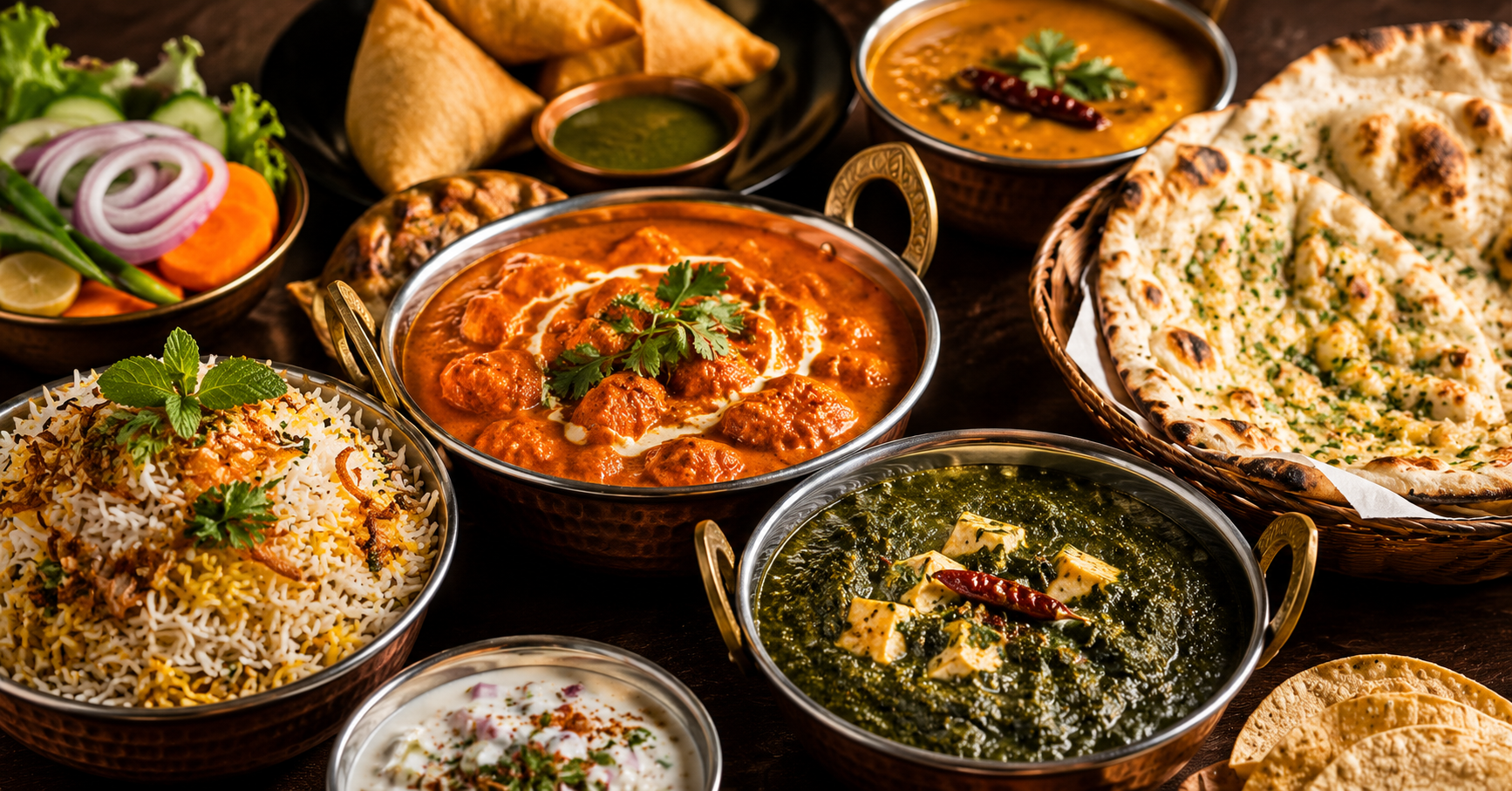

The best contemporary Indian food Covent Garden has to offer gets its character from regional spice traditions, not from a single all-purpose curry powder. Bengal’s five-seed panch phoron, Kashmir’s mild red chilli, Kerala’s black pepper and Punjab’s garam masala each create a different flavour signature, and modern kitchens use them precisely to make every dish distinct.
India is not one cuisine. It is closer to thirty, each with its own pantry. When people say they “don’t like Indian food” they have usually only met one version of it. Spices are where the regions differ most, so that is where we start.
Why do Indian regions use such different spices?
Mostly geography and trade. The Malabar coast in the south-west grew black pepper, cardamom and cinnamon for export for well over two thousand years, so those spices sit at the heart of Kerala cooking. Kashmir, high and cold, grows saffron and a famously deep-coloured, gentle chilli. Bengal, a delta of rivers and paddy fields, built its cooking around mustard (as seed, oil and paste) because mustard grows well there.
Religion and climate played a part too. Kashmiri Pandit cooking traditionally avoids onion and garlic, leaning instead on asafoetida, dried ginger and fennel. Hot, humid regions favour sour notes such as tamarind and kokum, which help keep food fresh and taste cooling.
So a “regional spice” is really a record of what grew nearby, what traders brought in, and what people believed about food.
Which spices define each region?
Here is a quick map of the signatures we lean on most in our kitchen.
| Region | Signature spices | What they bring |
|---|---|---|
| Bengal | Panch phoron, mustard seed and oil, nigella | Pungent, nutty, slightly bitter |
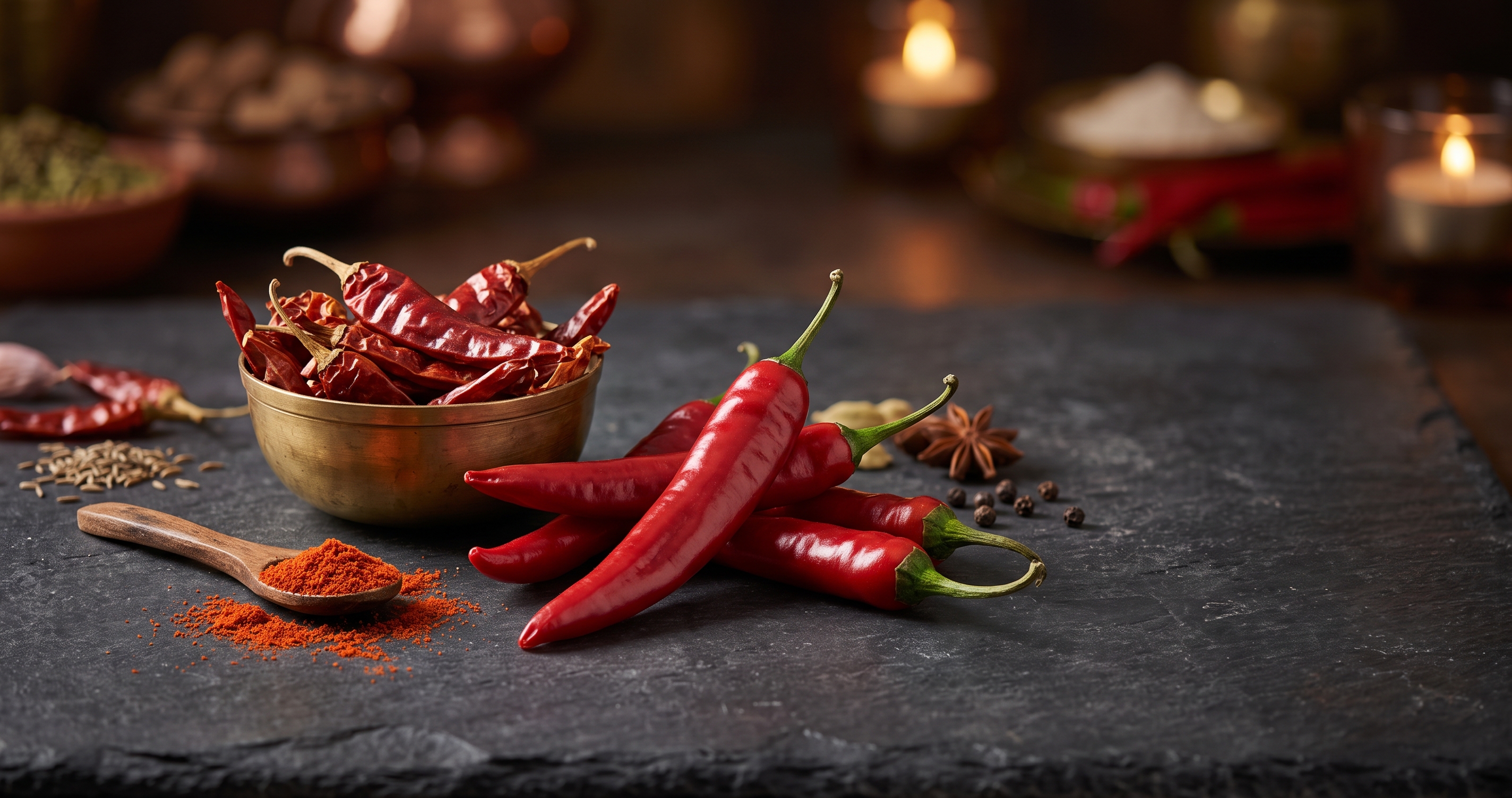
| Kashmir | Kashmiri chilli, fennel, dried ginger, saffron | Deep red colour, gentle warmth, sweet aroma |
| Punjab | Garam masala, dried fenugreek leaves, cumin | Warm, earthy, rich |
| Kerala | Black pepper, curry leaves, coconut, cardamom | Bright heat, fresh, fragrant |
| Goa | Vinegar, dried red chilli, cloves | Sour, sharp, layered |
| Rajasthan | Dried mango powder, red chilli, carom (ajwain) | Tart, fiery, robust |
Chef Niaz’s cooking is grounded in Kolkata and West Bengal, so the first row is home for us. But the house 48-spice mix our kitchen builds on draws from across this whole map, and different dishes get different blends.
What is panch phoron, and why does it matter?
Panch phoron means “five spices” in Bengali. It is a whole-seed mix of roughly equal parts cumin, fennel, nigella, fenugreek and black mustard seed (some cooks swap mustard for radhuni, a wild celery seed that is hard to find outside Bengal).
What makes it special is how it is used. The seeds are never ground. They go into hot mustard oil or ghee at the start of cooking and are left until they crackle and pop, usually 20 to 40 seconds. The mustard seeds burst, the fenugreek turns reddish-brown and releases a maple-like bitterness, the fennel turns sweet. Then the vegetables or dal go straight in.
Get the timing wrong and it is ruined. Fenugreek seed burnt for even ten seconds too long turns harsh and acrid. That is a lesson every new cook in our kitchen learns fast.
How do chefs get the most out of a spice?
The same spice can taste completely different depending on technique. These are the four methods that matter most.
- Tempering (tadka or phoron). Whole spices bloomed in hot fat. Many aromatic compounds in spices dissolve in fat rather than water, so this is how flavour gets carried through a dish. Used at the start or poured over at the end.
- Dry roasting. Seeds toasted in a dry pan until fragrant, then ground. Cumin roasted this way becomes nutty and deep, which is why roasted cumin powder tastes nothing like raw.
- Frying ground spices. Ground spices added to onions and cooked for a minute or two, often with a splash of water to stop them catching. This “cooks out” the raw, dusty taste.
- Finishing. A pinch of garam masala or crushed dried fenugreek leaves added in the last minute. Volatile aromas survive because they have not been heated for long.
A contemporary kitchen uses all four in a single dish. A lamb curry might start with whole cardamom and cloves tempered in oil, get ground coriander and chilli fried with the onions, and finish with a dusting of garam masala off the heat.
How does this show up on a contemporary menu?
Contemporary Indian cooking does not mean foams and tweezers. For us it means taking regional technique seriously and being precise about it. A few examples of how that plays out:
- A Bengali-style fish or vegetable dish tempered with panch phoron and finished with raw mustard oil for a nose-tingling sharpness.
- Tandoori grills coloured with Kashmiri chilli, so they look fiery red but stay gentle on the palate.
- A dal finished with a Kerala-style tempering of curry leaves and mustard seeds.
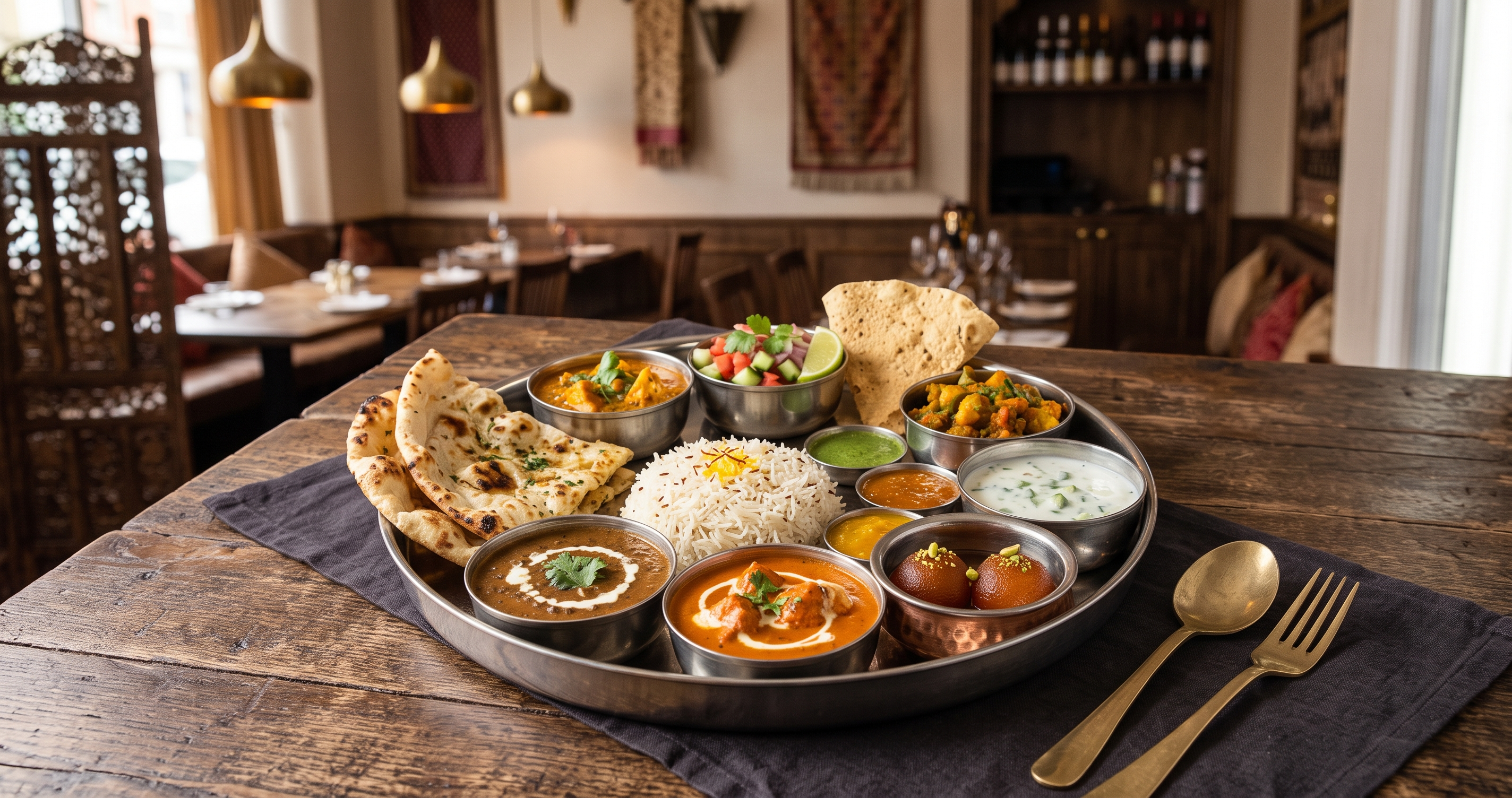
- An Indian thali style spread where each small bowl represents a different spice approach, so you can taste the regions side by side.
This is where Indian food Covent Garden diners can be surprised. Two curries that look alike can taste worlds apart once you know what is going on underneath.
What should you order to taste the regions?
When you sit down at an Indian restaurant Covent Garden side, a little strategy helps.
- Order across regions, not across proteins. Three chicken dishes in three similar sauces teach you nothing. A Bengali vegetable, a Punjabi dal and a tandoori grill teach you a lot.
- Ask what the tempering is. Staff who know the kitchen will happily tell you.
- Mix dry and wet dishes. Dry dishes show off whole spices; gravies show off ground blends.
- Try something sour. A tamarind or vinegar-based dish resets your palate between richer plates.
Our menu is tagged for halal, vegan, vegetarian, gluten-free, dairy-free and nut-free diners, so most guests can build a regional spread without compromise. Guests often find us when searching for a halal restaurant central London, and are pleased to find the same range open to them as everyone else.
Can you eat this well before a show?
Yes, and this is a big part of what we do. Paro is at 21 Wellington Street, right beside the Lyceum Theatre, and a short walk from the Royal Opera House and the Fortune Theatre. If you have been searching for a restaurant Strand side, we are only a few minutes up the road. Anyone choosing a restaurant pre theatre should look for a kitchen that understands timing as well as flavour.
Small sharing plates from different regions come out quickly and let a group taste widely without a long wait between courses. Tell us your curtain time and we will pace things accordingly. We serve post-theatre guests too, which is often the more relaxed moment to work through a few more regional dishes.
Frequently Asked Questions
What is the difference between garam masala and curry powder?
Garam masala is a warm Indian blend, often of cinnamon, cardamom, cloves, black pepper and cumin, usually added near the end of cooking. Curry powder is a British-era invention that includes turmeric and is not used in traditional Indian kitchens.
Is regional Indian food always spicy?
No. Many regional dishes are mild and aromatic rather than hot. Kashmiri chilli, for example, gives strong colour with gentle heat, and much Bengali cooking is more pungent than fiery.
What does panch phoron taste like?
It tastes nutty, slightly bitter and gently sweet, with a mustardy bite. It is used whole and fried in oil, so the flavour is toasty rather than raw.
Why do Indian cooks fry spices in oil?
Many aroma compounds in spices dissolve in fat, so blooming them in hot oil or ghee releases and spreads their flavour through the whole dish. Frying also cooks out the raw, dusty taste of ground spices.
Where can I try regional Indian food Covent Garden?
Paro at 21 Wellington Street, beside the Lyceum Theatre, cooks from a Kolkata and West Bengal foundation with a house 48-spice mix. The kitchen serves lunch Wednesday to Sunday from midday as well as pre- and post-theatre guests.
Final Thoughts
Regional spices are the real story of Indian cooking. Learn a little about panch phoron, Kashmiri chilli or a Kerala curry-leaf tempering and every menu starts to read differently.
If you want to taste that range in one sitting, come and find us at Paro. Chef Niaz and the team would love to cook you a spread of Indian food Covent Garden style, built region by region, with spices that each have something to say.