The quickest way to find authentic regional cooking among restaurants Central London
has is to read the menu for specifics. A kitchen that names its region, cooks with that region’s fats and spice blends, and offers a few dishes you have never heard of is usually cooking from real tradition. A menu of every familiar curry rarely is.
India is not one cuisine. It is dozens, shaped by climate, religion, trade routes and what grows locally. A cook from Kolkata and a cook from Amritsar would barely recognise each other’s everyday food. Here is how we, as a kitchen with Bengali roots, would go about finding the real thing.
Why do so many Indian menus in London look the same?
Most British Indian menus descend from the curry houses that spread across the country from the 1950s onwards, many of them opened by cooks from Sylhet in what is now Bangladesh. Those kitchens built a brilliant, adaptable system: a few base gravies, a list of named sauces, and any protein you liked in any sauce.
That system gave Britain the korma, the madras and the tikka masala. It also flattened the map. The same dozen dishes appeared everywhere, whatever the cook’s own background.
Regional cooking breaks that pattern. Instead of “chicken, lamb or prawn in your choice of sauce”, each dish is built for one ingredient and cooked one way. That is the first clue to look for.
What are the signatures of each major regional cuisine?
Every region has fingerprints you can taste and read on a menu. Here is a short guide.
| Region | Cooking fat | Signature flavours | Dishes to look for |
|---|---|---|---|
| Bengal | Mustard oil, ghee | Panch phoron, mustard paste, poppy seed | Fish in mustard sauce, shukto, kosha mangsho |
| Punjab | Ghee, butter | Garam masala, tandoor smoke, dairy | Tandoori meats, dal makhani, sarson ka saag |
| Kerala | Coconut oil | Coconut, curry leaf, black pepper | Fish moilee, stews with appam |
| Gujarat | Groundnut oil | Sweet, sour and spicy together | Dhokla, kadhi, undhiyu |
| Goa | Coconut oil | Vinegar, garlic, red chilli | Vindaloo, xacuti, cafreal |
| Hyderabad | Ghee | Saffron, fried onion, mint | Dum biryani, haleem |
If a menu mentions several of these by name, and explains them, you are probably in good hands. If it lists “vindaloo” as simply “very hot”, the kitchen has drifted from the source.
How can you tell if a Bengali kitchen is the real thing?
This is our own territory, so we will be specific. Chef Niaz leads our kitchen, and his cooking is grounded in Kolkata and West Bengal traditions.
Three things give Bengali cooking away:
- Mustard oil. Bengali cooks heat it until it just begins to smoke, which tames its raw, nose-tingling pungency and leaves a nutty, warming depth. Food cooked in mustard oil tastes completely different from food cooked in sunflower oil.
- Panch phoron. A five-seed mix of cumin, fennel, fenugreek, nigella and black mustard, fried whole in hot oil at the start of a dish. The seeds pop and release their aroma straight into the fat.
- Balance of bitter and sweet. A traditional Bengali meal can open with shukto, a gently bitter vegetable stew, and move through dal, vegetables, fish, meat and chutney before ending with something sweet. Bitterness is treated as a flavour worth enjoying, not something to hide.
Our kitchen also builds its dishes on a house 48-spice mix, used in different combinations across the menu. A blend like that is the opposite of the one-sauce-fits-all approach. Each dish draws on the spices it needs.
Where does vegan Indian food fit into regional cooking?
Some of the most authentic regional dishes happen to be plant-based. Gujarati cooking is overwhelmingly vegetarian. South Indian kitchens build whole meals around lentils, rice and coconut. Bengali cooking treats vegetables with as much respect as fish, from shukto to dishes of potato and poppy seed (aloo posto).
That makes vegan Indian food one of the best ways to taste regional differences. A Gujarati dal is thin, sweet and sour, tempered with mustard seed and curry leaf. A Punjabi dal is thick, dark and slow-cooked. A Bengali dal is often yellow, lighter and finished with panch phoron. All three can be made fully vegan if they are tempered in oil rather than ghee, and the contrast between them teaches you more about India than any number of kormas.
Our menu is tagged for vegan, vegetarian, halal, gluten-free, dairy-free and nut-free diners, so you can explore without guessing.
What does a regional thali tell you about a kitchen?
The thali is a regional statement in a single tray. A Gujarati thali leans sweet and vegetarian. A Rajasthani thali uses dried lentils and gram flour, because fresh vegetables were scarce in the desert. A South Indian meal may be served on a banana leaf with rice, sambar and rasam in sequence. A Bengali meal traditionally arrives in courses rather than all at once.
When people ask us about the best indian thali in London, we suggest asking one question: which region is it from? A thali with a clear answer, and dishes that match that answer, is a thali made with intent. One that mixes a Punjabi butter chicken with a Goan fish curry and a Gujarati dhokla is a sampler, which can be enjoyable, but is not regional cooking.
Which restaurants Central London has are worth seeking out?
You do not need to cross the city for good regional cooking. The streets between Covent Garden, the Strand and Holborn hold a dense cluster of Indian kitchens, and the regional ones are there if you know how to read the menu.
A few final checks before you book any restaurant Covent Garden or Soho way:
- Does the menu name a region or a city?
- Are cooking fats or spice blends mentioned?
- Are there dishes you do not recognise, with honest descriptions?
- Can the staff explain where a dish comes from?
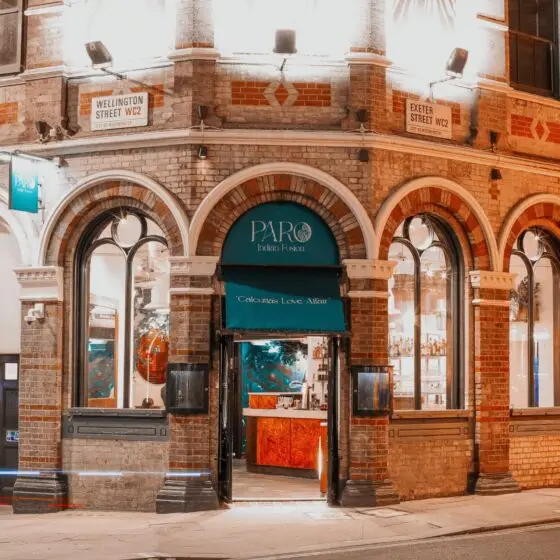
Paro is at 21 Wellington Street, right beside the Lyceum Theatre, a short walk from any restaurant Strand side and from the Royal Opera House. If you want to taste how Bengali cooking differs from the curry-house standard, come in and ask the team which dishes on the day best show off Chef Niaz’s Kolkata roots.
What makes the best Indian curry, regionally speaking?
There is no single best indian curry, because “curry” itself is a British umbrella word. In India, each dish has its own name and its own logic. A Bengali kosha mangsho is mutton cooked slowly until the masala clings to the meat, almost dry. A Kerala fish curry is thin, sour with kokum or tamarind, and gone in minutes. Both are superb, and they share almost nothing.
The best one is the dish cooked faithfully to its own tradition, by someone who knows why each step matters.
Frequently Asked Questions
What is the difference between British curry house food and regional Indian food?
Curry houses use a few base gravies adapted into named sauces, so any protein can go into any sauce. Regional cooking builds each dish for a specific ingredient with the fats, spices and methods of one part of India.
What is panch phoron?
It is a Bengali five-spice mix of cumin, fennel, fenugreek, nigella and black mustard seeds. The seeds are fried whole in hot oil at the start of cooking, which gives Bengali dishes their distinctive aroma.
Is regional Indian food suitable for vegans?
Very often, yes. Many regional traditions, especially in Gujarat, South India and Bengal, are rich in lentil and vegetable dishes that are naturally vegan when cooked in oil rather than ghee.
Why do Bengali cooks heat mustard oil until it smokes?
Heating mustard oil to its smoking point mellows its sharp, raw pungency. What remains is a warm, nutty flavour that defines much of Bengali cooking.
Where can I try Bengali-rooted cooking in Covent Garden?
Paro, at 21 Wellington Street beside the Lyceum Theatre, has a kitchen led by Chef Niaz, whose cooking is grounded in Kolkata and West Bengal traditions.
Final Thoughts
Finding real regional cooking among restaurants Central London offers is less about luck and more about reading the signs: named regions, specific fats, unfamiliar dishes and staff who can explain them. Once you start looking, you will taste the difference between Bengal and Punjab, Kerala and Gujarat, in every bite. If you want to begin with Bengal, come and eat with us at Paro on Wellington Street.