Central London remains one of the world’s most dynamic culinary destinations, uniting global gastronomic traditions within a few square miles. From the cobbled lanes of Covent Garden and the grand facades along the Strand to the lively thoroughfares of Soho, the capital provides an extraordinary breadth of eating houses. Navigating the dense concentration of restaurants Central London presents can be an exhilarating yet daunting prospect for visitors and locals alike.
While parts of the West End were once characterised by predictable tourist brasseries and hurried buffets, the contemporary dining scene tells a remarkably different story. Independent operators, regional specialists, and passionate chefs have transformed the district into an authentic culinary hub. Discerning diners who look past ubiquitous chains quickly realise that the most rewarding restaurants Central London houses are those committed to specific regional identities, seasonal ingredients, and uncompromising culinary standards.
Navigating Central London’s Historic Dining Enclaves
Understanding the distinct character of each neighbourhood is essential when planning a memorable meal. Central London is not a uniform dining district; rather, it is a collection of distinct quarters, each with its own rhythm and culinary strengths.
Soho and Fitzrovia: Innovation and Counter Dining
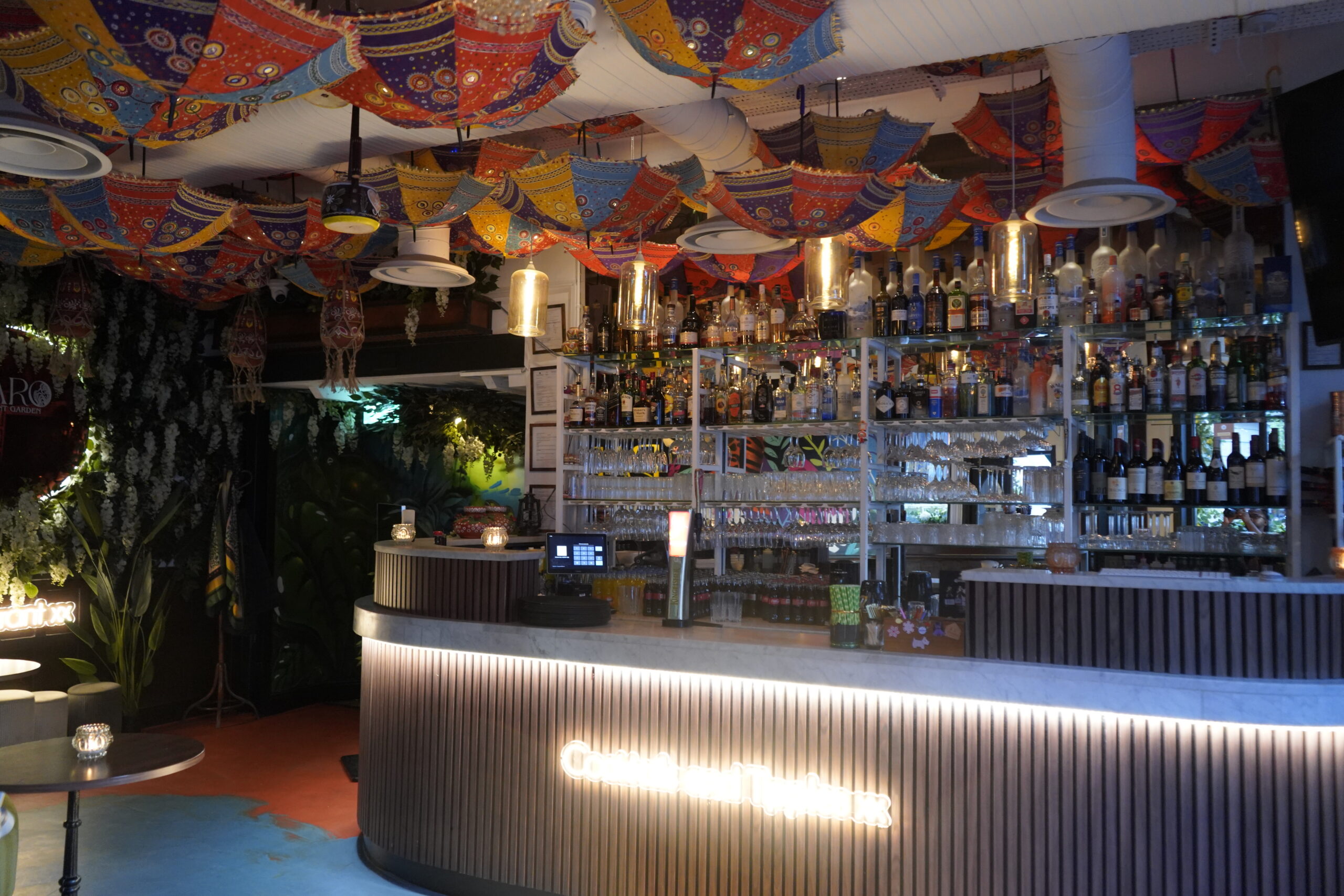
North of Shaftesbury Avenue, Soho and Fitzrovia set the pace for London’s casual dining culture. These quarters are celebrated for intimate counter seating, small-plate dining, and creative global concepts. Walk-in policies remain common, creating energetic queues outside bustling noodle bars, charcoal grill houses, and Mediterranean bistros. It is prime territory for spontaneous dining and discovering emerging culinary talent.
Covent Garden: Cultural Heritage and Lively Brasseries
Just to the east, Covent Garden balances historic piazza charm with world-class performing arts. When selecting an atmospheric pre-theatre restaurant Covent Garden offers an eclectic blend of historic taverns, buzzing piazza terraces, and refined dining rooms tucked down pedestrian alleys. Choosing a reliable restaurant Covent Garden diners can enjoy without feeling rushed ensures that dinner remains a leisurely pleasure rather than an obstacle before a show. The area excels in European brasseries, seafood bars, and characterful dining rooms that cater effortlessly to theatregoers visiting the Royal Opera House and nearby playhouses.
The Strand and Aldwych: Grand Thoroughfares and Classic Dining
A short walk south brings you to Aldwych and the historic thoroughfare connecting the City to Westminster, where finding a reputable restaurant Strand patrons can rely on provides a calmer alternative to the bustling West End core. Booking a table at an established restaurant Strand workers and visitors favour allows diners to savour carefully prepared dishes within handsome heritage buildings. The district bridges the theatrical energy of Covent Garden with the architectural gravity of Temple, making it an ideal choice for business lunches and sophisticated pre-show gatherings.
The Regional Renaissance of Subcontinental Cuisine
Among the many culinary traditions flourishing across the capital, Indian gastronomy has undergone the most profound transformation. For decades, British diners associated subcontinental cuisine with generic high-street sauces, but the modern capital has rewritten that narrative; what defines the best Indian curry today is slow culinary technique, roasted whole spices, and regional integrity rather than heavy, uniform sauces.
Central London has become the vanguard of this subcontinental renaissance. Premier kitchens now champion distinct regional traditions:
- Coastal South Indian Specialties: Utilising fresh coconut milk, curry leaves, tamarind, and mustard seeds to produce fragrant fish curries, crisp dosas, and delicate steamed idlis.
- Robust Northern Traditions: Highlighting clay-oven cooking, charcoal-smoked lamb cutlets, and slow-braised stews that rely on layered aromatics rather than heavy cream.
- Subtle Bengali and Goan Delicacies: Celebrating mustard oil, poppy seed pastes, vinegar-steeped marinades, and fresh seafood cooked with precision.
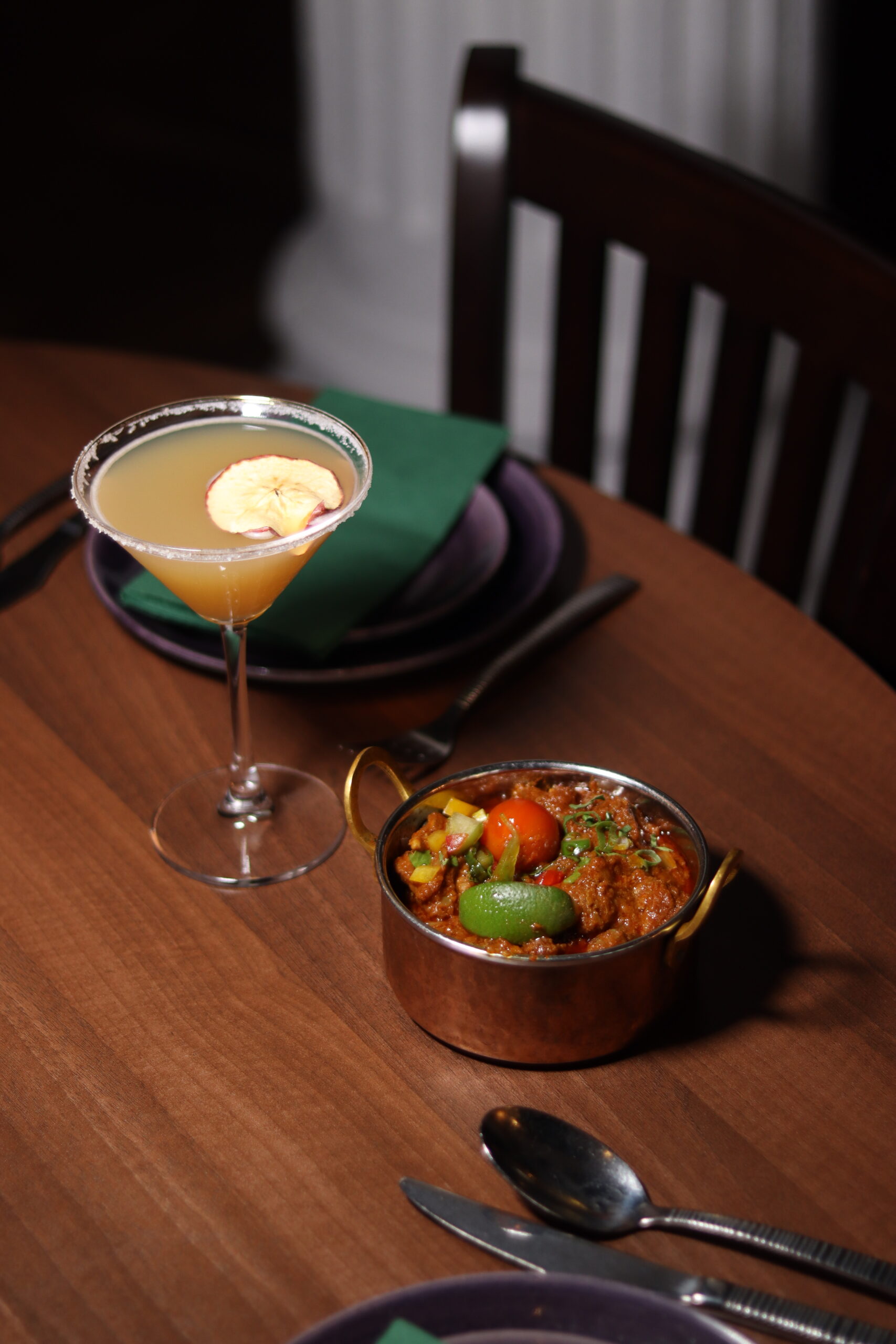
Whether it is a fragrant Keralan seafood stew or an aromatic Awadhi slow-braised korma, the search for the best Indian curry in the West End rewards those who appreciate nuance over searing heat. Modern chefs roast spices whole, grind them daily, and allow complex gravies to simmer patiently over low heat, allowing individual notes of cardamom, clove, and mace to emerge clearly.
Plant-Based Gastronomy: The Rise of Ethical Dining
London has established itself as a leading capital for plant-based eating, with plant-forward dining now firmly embedded in mainstream culinary culture. As dietary preferences evolve across the UK capital, top-tier restaurants Central London chefs manage have responded with thoughtfully designed, plant-led dining experiences.
Subcontinental cuisine holds a distinct advantage in this arena. Centuries of vegetarian traditions mean that authentic vegan Indian food relies naturally on pulses, fresh vegetables, and cold-pressed oils rather than processed dairy substitutes:
- Spiced cauliflowers and roasted okra cooked with dry mango powder (amchur) and roasted cumin.
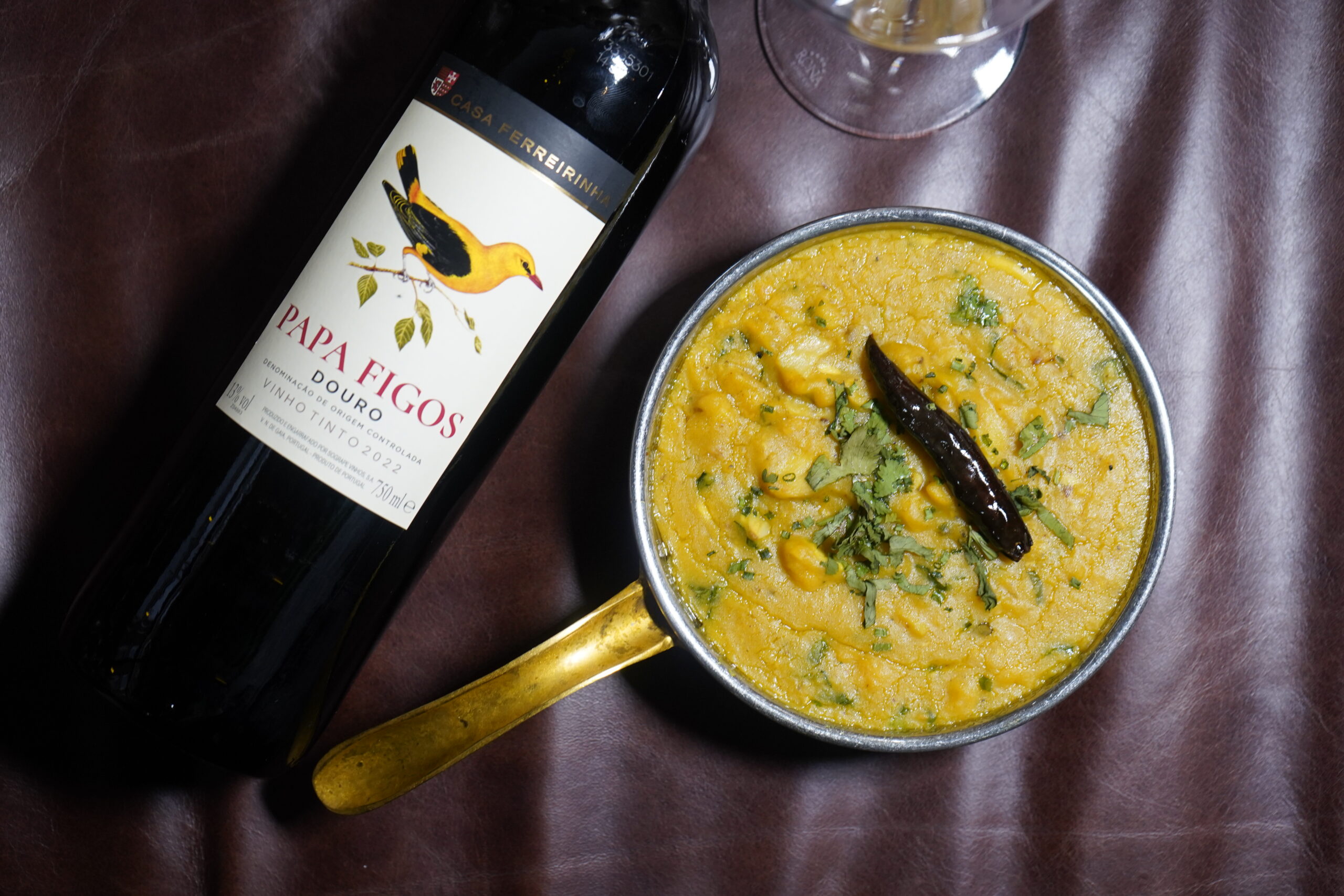
- Hearty slow-simmered daals made from yellow lentils, black gram, or chickpeas, tempered with cumin seeds, garlic, and dried chillies.
- Steamed rice-and-lentil cakes paired with piquant vegetable stews and fresh coconut chutneys.
Diners seeking wholesome, spice-infused plant-based dining can sample exceptional vegan Indian food ranging from crisp South Indian dosas to roasted aubergine bharthas. These dishes deliver immense depth of flavour, texture, and nutritional balance, proving that plant-based dining can be completely satisfying and deeply rooted in culinary history.
The Art of the Feast: Why the Traditional Thali Endures
For diners who want to experience a complete spectrum of regional flavours in one sitting, few formats compare to the Indian thali. Originating as a balanced meal served on a rimmed metal platter, the best Indian thali in London delivers a harmonious exploration of six distinct Ayurvedic tastes on a single plate.
A traditional thali balances sweet grains, sour tamarind broths, savoury lentil curries, pungent green chillies, bitter greens, and astringent legumes. Seeking out the best Indian thali in London provides diners with an authentic glimpse into regional home cooking, complete with freshly puffed flatbreads, slow-cooked lentils, spiced vegetables, and cooling raitas. Served in individual stainless-steel bowls arranged around fragrant basmati rice, the thali offers unmatched variety. It is also an exceptionally practical option for city lunches and pre-theatre dining, offering a complete banquet served promptly without long intervals between courses.
Practical Strategies for Dining in Central London
Securing an outstanding table in Zone 1 requires a small degree of forethought. Planning an evening around peak theatre times requires a pragmatic approach, especially when booking popular restaurants Central London theatregoers frequent before curtain call.
Keep these practical principles in mind:
- Pre-Theatre Timing: West End curtains typically rise at 19:30. To enjoy a relaxed meal, aim to sit down no later than 17:30 or 17:45, and always inform your server of your curtain time upon arrival.
- Embrace Set Lunch Menus: Many premier dining rooms offer set lunch menus that deliver exceptional value, showcasing signature techniques at a fraction of the evening price.
- Check Walk-in Counter Seating: If reservations are fully committed online, check whether the establishment reserves counter seats or bar tables for walk-ins. Arriving shortly before peak dining hours frequently secures a seat without booking weeks ahead.
- Service Charges: London dining bills almost universally include a discretionary service charge, typically set between 12.5% and 15%. Extra tipping is neither expected nor customary unless service has been exceptional.
- Public Transport: Central London is exceptionally well served by public transport. Utilising Underground stations such as Covent Garden, Leicester Square, Charing Cross, and Holborn allows effortless transit without taxi congestion.
Final Considerations for Dining in the Capital
London’s dining scene continues to gain acclaim precisely because it honours authentic cultural traditions while fostering culinary curiosity. Rather than settling for hurried convenience or tourist corridors, exploring dedicated regional kitchens transforms an ordinary meal into a memorable cultural experience. Ultimately, finding the most rewarding restaurants Central London showcases is about seeking out kitchens driven by craft, regional heritage, and genuine hospitality.